





Officials scramble to find solution for dangerous river at Franz Josef
By local democracy reporter Brendon McMahon:
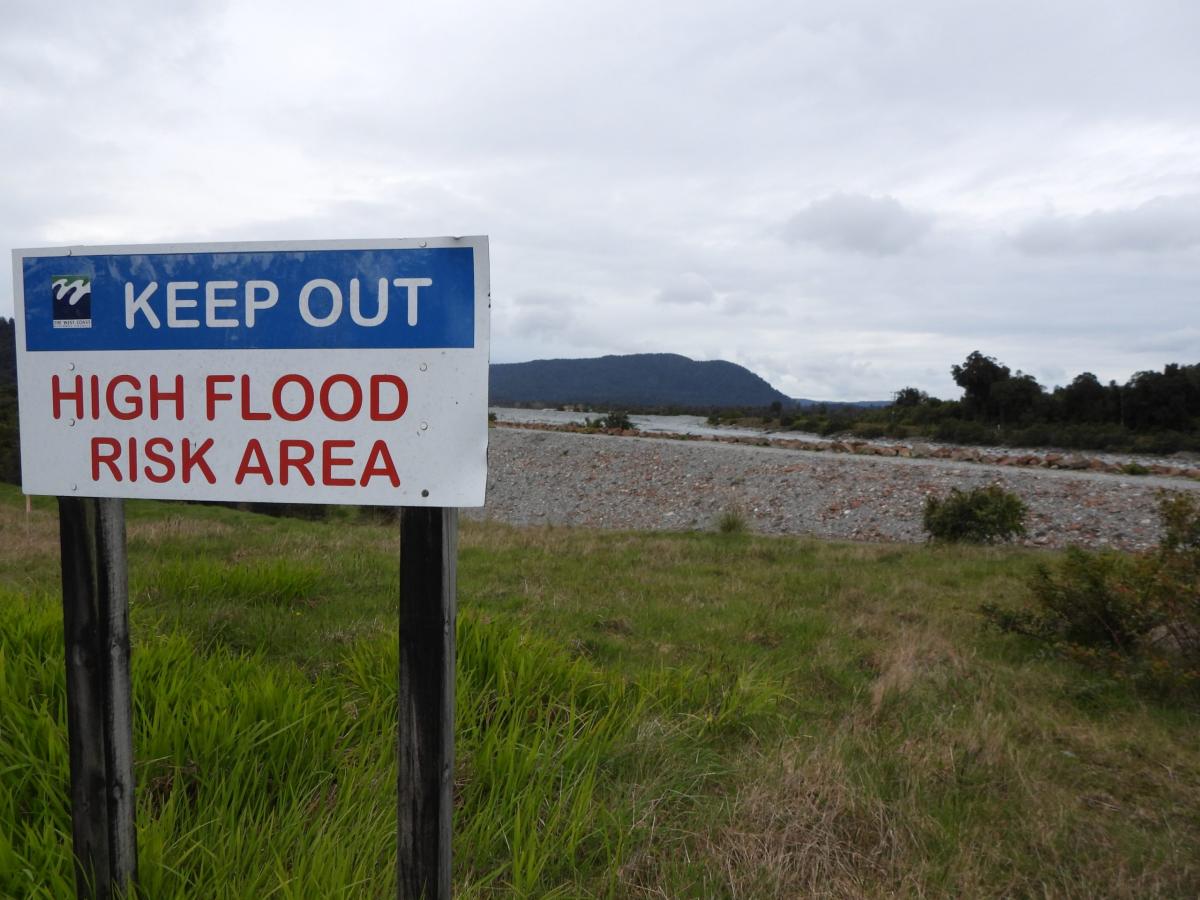
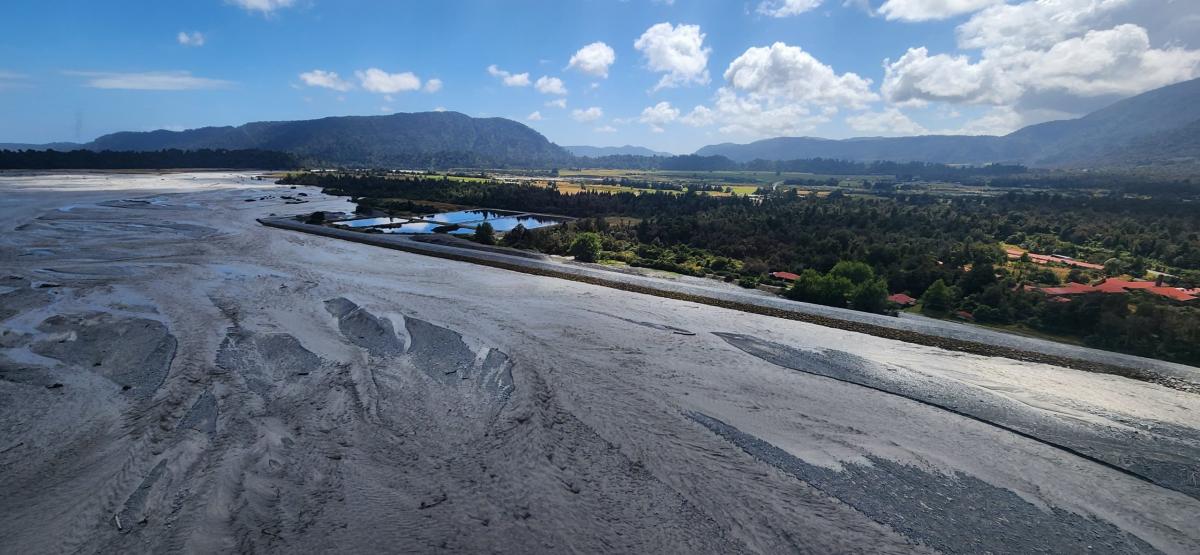
Engineers are surveying the new channel cut by the Waiho (Waiau) River at Franz Josef Glacier, but there are no plans to try to re-train the river back to its normal course.
About 95% of the main flow of the river starting flowing north through the Tatare Stream after heavy rain on January 18 to 20.
The river began shifting towards the neighbouring Tatare in mid-2023, forcing the council to abandon plans for a series of bunds (embankments) along the lower Waiho, below the Franz Josef town sewerage ponds.
While there is now concern about the river being up against the northern bank in front of the sewerage ponds, the southern bank stopbanks on the usually vulnerable Waiho Flat side of the river, have been left high and dry.
West Coast Regional Council engineering staff are now surveying those stopbanks before carrying out interim maintenance, and is also awaiting the results of a new Lidar survey of the riverbed, which uses light to create 3-D images of a landscape, to understand the new direction of the river's main channel.
A South Westland resident claimed last week a large bulldozer was being moved towards Franz Josef, probably in an effort to change the course of the river.
Responding, council chief executive Daryl Lew said the council was simply "mobilising" its resources in the area as it weighed options to deal with the situation.
Chairperson Peter Haddock said the bulldozer seen last week was nothing to do with the regional council or any plans to divert the Waiho River.
Haddock said he was aware a private landowner at Waiho Flat had contracted a large bulldozer to undertake work to protect their land, but it had nothing to do with the council.
"To my knowledge the bulldozer is not being engaged by council," he said.
However, the council was getting organised for the medium term maintenance of the existing stopbanks on the south side "to hold the line" while the riverbed was dry.
It hoped to get the green light from Government funding agency Kanoa to use some of the reserved $8.77 million granted under the original co-funded $24m Waiho protection scheme for that work, he said.
The south bank repairs were ahead of the longer term plan to abandon the Waiho Flat to the river by pulling down the banks, starting in about 10 years' time.
Haddock said options for possibly diverting the river channel would need to go to the community first before any decisions were made.
"Unless there's a distinct emergency, that needs to go to the rating district first."
The risk to the sewerage ponds on the north bank remained a matter for the Westland District Council to assess, he said.
While Westland had now said it wanted to add protection below the sewerage ponds, that would only be an interim solution and would also need to go to the rating district, "if it's deemed the ponds are at risk".
"The rating district has to decide if it has an appetite."
Haddock said the regional council continued to monitor the Waiho flowing via the Tatare Stream and the gorge.
If it continued to escalate, then any protection solutions from below the end of the sewerage ponds were likely to be beyond the rating district and council's capacity and would require Government intervention, he said.
* LDR is local body journalism co-funded by RNZ and NZ on Air

Poll: Should the government levy industries that contribute to financial hardship?
As reported in the Post, there’s a $30 million funding gap in financial mentoring. This has led to services closing and mentors stepping in unpaid just to keep helping people in need 🪙💰🪙
One proposed solution? Small levies on industries that profit from financial hardship — like banks, casinos, and similar companies.
So we want to hear what you think:
Should the government ask these industries to contribute?

-
60% Yes, supporting people is important!
-
25.7% No, individuals should take responsibility
-
14.3% ... It is complicated

A Neighbourly Riddle! Don’t Overthink It… Or Do?😜
Do you think you know the answer? Simply 'Like' this post if you know the answer and the big reveal will be posted in the comments at 2pm on the day!
If you multiply this number by any other number, the answer will always be the same. What number is this?


Have you got New Zealand's best shed? Show us and win!
Once again, Resene and NZ Gardener are on the hunt for New Zealand’s best shed! Send in the photos and the stories behind your man caves, she sheds, clever upcycled spaces, potty potting sheds and colourful chicken coops. The Resene Shed of the Year 2026 winner receives $1000 Resene ColorShop voucher, a $908 large Vegepod Starter Pack and a one-year subscription to NZ Gardener. To enter, tell us in writing (no more than 500 words) why your garden shed is New Zealand’s best, and send up to five high-quality photos by email to mailbox@nzgardener.co.nz. Entries close February 23, 2026.
 Loading…