






Private wells: where to get your water tested
By David Hill, Local Democracy Reporter
Following recent media coverage on the need to test drinking water from private wells, readers have been asking how they go about it.
The question of whether Environment Canterbury (ECan) should run regionwide events to educate private well owners on the risks, including nitrates and E.Coli, caused plenty of debate at a recent council meeting.
Former chairperson Peter Scott said the question of drinking water quality is the ‘‘most emotional subject’’ in Canterbury.
Greenpeace has been running similar water testing events in Canterbury in recent years.
But several councillors expressed concern a one-off test will not give ‘‘good information’’, as drinking water needs to be tested regularly.
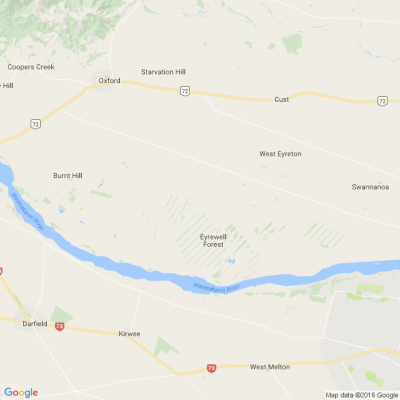
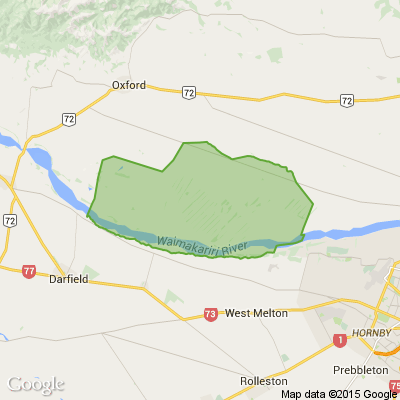
The Waimakariri district has the highest number of lifestyle blocks in the country, with many drinking water from private wells.
ECan and Waimakariri District Council staff refer private well owners to the website of water regulator, Taumata Arowai.
There are 10 accredited laboratories in Canterbury.
‘‘Our advice would be to use one of those registered laboratories,’’ an ECan spokesperson said.
‘‘The webpage lists phone numbers for the laboratories, so in terms of what is involved, the best idea would be to call and ask how best to submit a water sample, and they will advise.’’
The regional council regularly monitors selected private wells across the region to determine trends, but concerns have been expressed the testing is not wide enough.
Taumata Arowai says all registered drinking water suppliers must use an accredited laboratory to ‘‘analyse source water, raw water and drinking water as part of any monitoring requirements’’.
‘‘If test results indicate drinking water does not comply with the drinking water standards or compliance rules, accredited laboratories will notify Taumata Arowai and the drinking water supplier as soon as practicable.’’
The Ministry of Health uses World Health Organisation standards to determine a maximum acceptable value of nitrates in drinking water of 11.3 mg/L.
When drinking water exceeds half of the maximum acceptable value, well owners are advised to regular monitor their drinking water.
For more information, go to taumataarowai.govt.nz/for-water-suppliers/using-an-accredited-laboratory-to-test-your-drinking-water/
Those on council drinking water supplies should contact their local council if they have any concerns.
■ LDR is local body journalism co-funded by RNZ and NZ On Air.

Poll: Should the government levy industries that contribute to financial hardship?
As reported in the Post, there’s a $30 million funding gap in financial mentoring. This has led to services closing and mentors stepping in unpaid just to keep helping people in need 🪙💰🪙
One proposed solution? Small levies on industries that profit from financial hardship — like banks, casinos, and similar companies.
So we want to hear what you think:
Should the government ask these industries to contribute?

-
59.8% Yes, supporting people is important!
-
25.9% No, individuals should take responsibility
-
14.4% ... It is complicated

A Neighbourly Riddle! Don’t Overthink It… Or Do?😜
Do you think you know the answer? Simply 'Like' this post if you know the answer and the big reveal will be posted in the comments at 2pm on the day!
If you multiply this number by any other number, the answer will always be the same. What number is this?


Have you got New Zealand's best shed? Show us and win!
Once again, Resene and NZ Gardener are on the hunt for New Zealand’s best shed! Send in the photos and the stories behind your man caves, she sheds, clever upcycled spaces, potty potting sheds and colourful chicken coops. The Resene Shed of the Year 2026 winner receives $1000 Resene ColorShop voucher, a $908 large Vegepod Starter Pack and a one-year subscription to NZ Gardener. To enter, tell us in writing (no more than 500 words) why your garden shed is New Zealand’s best, and send up to five high-quality photos by email to mailbox@nzgardener.co.nz. Entries close February 23, 2026.

 Loading…