






Whitebait, native birds flourish in Kaiapoi thanks to targeted weeding
From local democracy reporter David Hill:
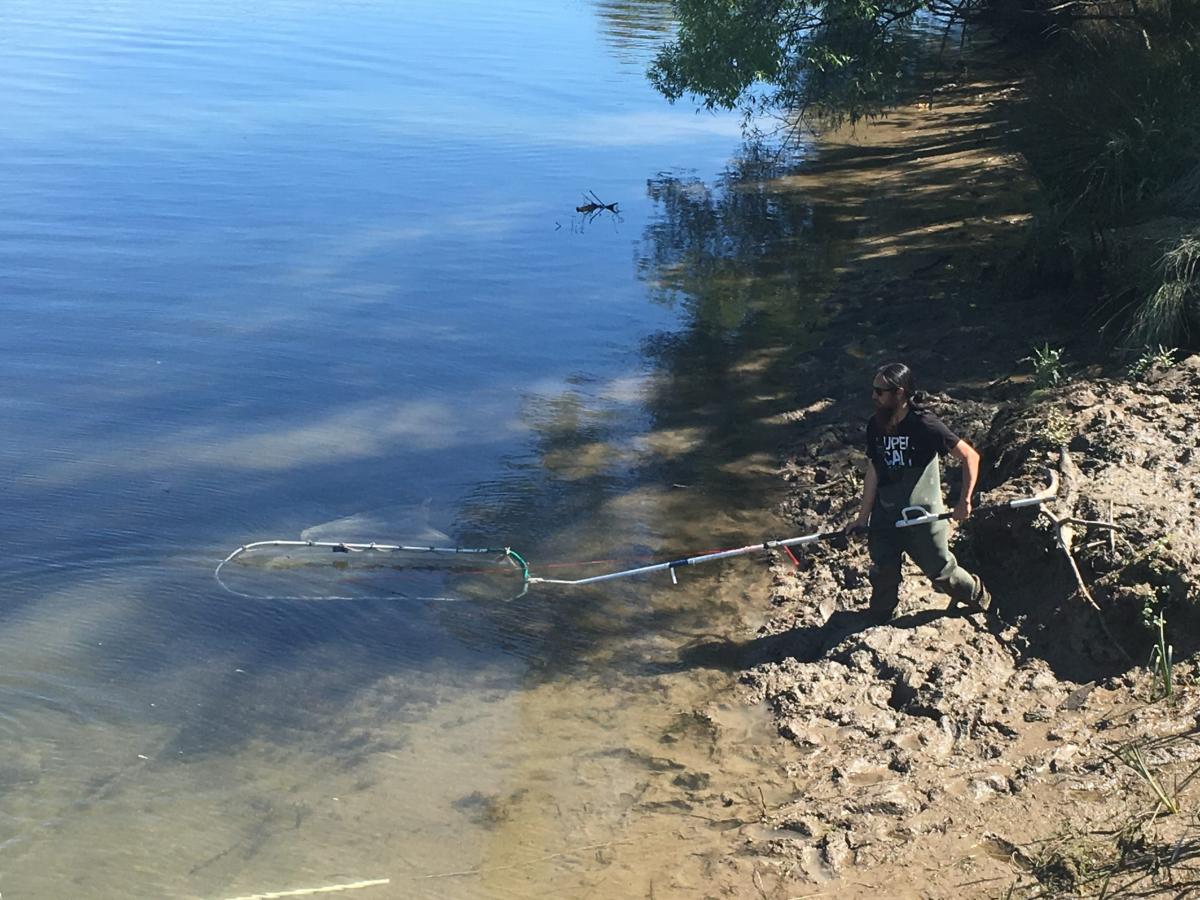
Community efforts are helping īnanga/whitebait to flourish at Kaiapoi in North Canterbury.
The sweeping wetland surrounding the Kaiapoi River is home to īnanga/whitebait and native birds like the matuku-hūrepo/Australasian bittern.
Over the last 15 years, the wetland has been steadily invaded by pest plants.
But an Environment Canterbury (ECan) led-project is attempting to set the balance back in favour of the original native plants.
“We're using targeted weeding, which means we’re leaving native undergrowth untouched and flood protection trees, where necessary, while eliminating yellow flag iris,” ECan braided river revival regional lead Greg Stanley said.
“No planting is needed as native species will flourish with space.”
Native wetland and saltmarsh communities grew beneath a canopy of planted and wilding willow trees.
Raupō, bullrush, harakeke, juncus, and carex were among the species inhabiting the area, providing sustenance and shelter for īnanga habitat.But yellow flag iris has quickly spread through the berm habitats, displacing wetland communities.
The iris infestation out competed native plants, threatening the habitat that īnanga rely on.
Without removal, the saltwater-tolerant weed was likely to outlast the willows, which were slowly dying back with saltwater intrusion and targeted removal.
“This is a really big problem,” Stanley said.
“With sea level rise, climate change, and saltwater intrusion, the conditions are moving to allow yellow flag iris to become increasingly dominant.”
Without intervention, īnanga were unlikely to survive, he said.
“Īnanga can't use yellow flag iris for laying eggs.
“The native plant species all have classic grassroots which form dense raft mats that the īnanga stick their eggs to, whereas the yellow flag iris is like a ginger root.”
Previous spawning grounds identified at the confluence of Kaiapoi River and Courtenay Stream have been increasingly choked by iris intrusion.
This has reduced the spawning ground, with little else available.
The project began in November 2021 and was now in its second season.
It was one of 23 river sites ECan was transforming throughout Waitaha/Canterbury.
The Regionwide Berm Transition Project was part-funded by the Ministry of Business, Innovation and Employment's Kānoa – Regional Economic Development and Investment Unit.

Poll: Should the government levy industries that contribute to financial hardship?
As reported in the Post, there’s a $30 million funding gap in financial mentoring. This has led to services closing and mentors stepping in unpaid just to keep helping people in need 🪙💰🪙
One proposed solution? Small levies on industries that profit from financial hardship — like banks, casinos, and similar companies.
So we want to hear what you think:
Should the government ask these industries to contribute?

-
59.4% Yes, supporting people is important!
-
26.3% No, individuals should take responsibility
-
14.3% ... It is complicated
Poll: Do you have a go-to adverse-weather checklist for your family? ☔⚠️
As reported in the Press, the same low-pressure system that lashed the North Island over the weekend is now making its way south, bringing heavy rain and strong winds with it. It’s a soggy start to the week for many of us.
With more wild weather on the cards, we’re curious: do you have a go-to adverse-weather checklist for your family? Or are you more of a “grab the torches and hope for the best” household?
-
47.1% Yes - we like to be prepared
-
44.1% Nah
-
8.8% This is on my to-do list!

Have you got New Zealand's best shed? Show us and win!
Once again, Resene and NZ Gardener are on the hunt for New Zealand’s best shed! Send in the photos and the stories behind your man caves, she sheds, clever upcycled spaces, potty potting sheds and colourful chicken coops. The Resene Shed of the Year 2026 winner receives $1000 Resene ColorShop voucher, a $908 large Vegepod Starter Pack and a one-year subscription to NZ Gardener. To enter, tell us in writing (no more than 500 words) why your garden shed is New Zealand’s best, and send up to five high-quality photos by email to mailbox@nzgardener.co.nz. Entries close February 23, 2026.

 Loading…