





Whitebait, native birds flourish in Kaiapoi thanks to targeted weeding
From local democracy reporter David Hill:
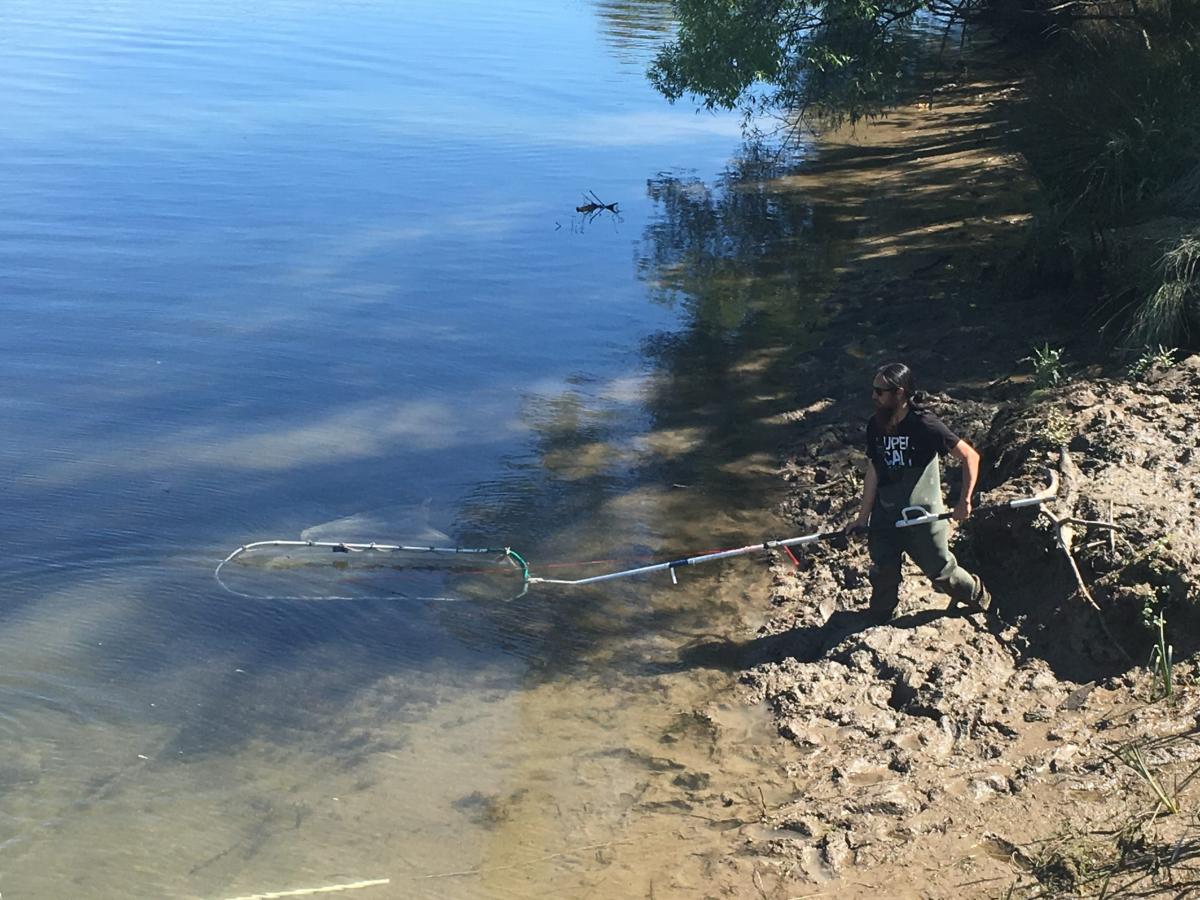
Community efforts are helping īnanga/whitebait to flourish at Kaiapoi in North Canterbury.
The sweeping wetland surrounding the Kaiapoi River is home to īnanga/whitebait and native birds like the matuku-hūrepo/Australasian bittern.
Over the last 15 years, the wetland has been steadily invaded by pest plants.
But an Environment Canterbury (ECan) led-project is attempting to set the balance back in favour of the original native plants.
“We're using targeted weeding, which means we’re leaving native undergrowth untouched and flood protection trees, where necessary, while eliminating yellow flag iris,” ECan braided river revival regional lead Greg Stanley said.
“No planting is needed as native species will flourish with space.”
Native wetland and saltmarsh communities grew beneath a canopy of planted and wilding willow trees.
Raupō, bullrush, harakeke, juncus, and carex were among the species inhabiting the area, providing sustenance and shelter for īnanga habitat.But yellow flag iris has quickly spread through the berm habitats, displacing wetland communities.
The iris infestation out competed native plants, threatening the habitat that īnanga rely on.
Without removal, the saltwater-tolerant weed was likely to outlast the willows, which were slowly dying back with saltwater intrusion and targeted removal.
“This is a really big problem,” Stanley said.
“With sea level rise, climate change, and saltwater intrusion, the conditions are moving to allow yellow flag iris to become increasingly dominant.”
Without intervention, īnanga were unlikely to survive, he said.
“Īnanga can't use yellow flag iris for laying eggs.
“The native plant species all have classic grassroots which form dense raft mats that the īnanga stick their eggs to, whereas the yellow flag iris is like a ginger root.”
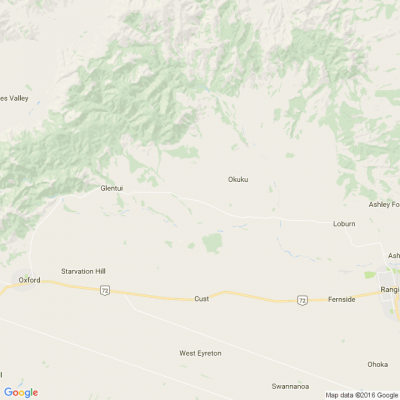
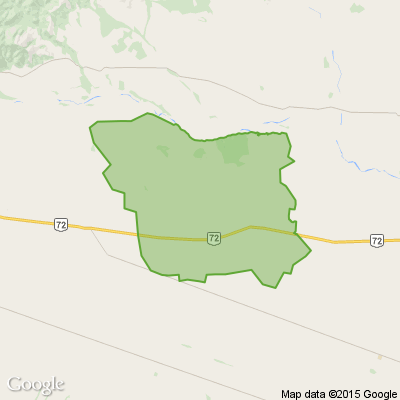
Previous spawning grounds identified at the confluence of Kaiapoi River and Courtenay Stream have been increasingly choked by iris intrusion.
This has reduced the spawning ground, with little else available.
The project began in November 2021 and was now in its second season.
It was one of 23 river sites ECan was transforming throughout Waitaha/Canterbury.
The Regionwide Berm Transition Project was part-funded by the Ministry of Business, Innovation and Employment's Kānoa – Regional Economic Development and Investment Unit.

Poll: Should we ditch daylight saving? 🕰️
First introduced in New Zealand in 1927 with the passing of the Summer Time Act, it's what we know as 'Daylight Saving' and this year it ends on the first Sunday in April.
While we do get to sleep in this time around, some people would like to scrap the clock tinkering for good.
And why? Some evidence suggests the time changes are bad for our health as they mess with sleep patterns leading to short-term fatigue and affecting mood. Meanwhile the hour change is frustrating for farmers and a nightmare for getting the littlies to sleep. But what's your take?
-
40.5% Yes - get rid of the clock changes
-
57.6% No, I enjoy it
-
1.9% Other - I'll share below

Loud explosions rangiora
Did anyone else get woken around 7 ish by a very loud sound that shook my house?

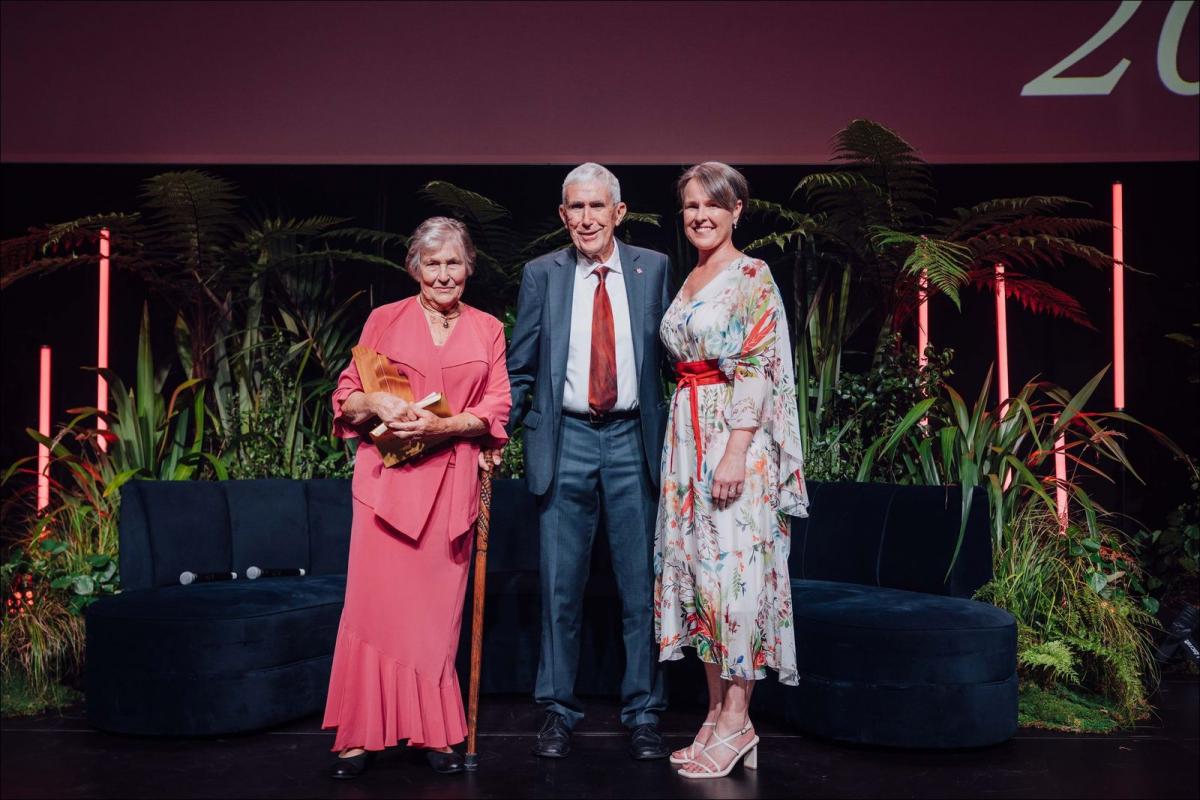
Alan and Hazel Kerr share Senior New Zealander of the Year Award 2026
Dr Alan and Hazel Kerr describe themselves as ‘just ordinary old Kiwis’, despite being named as the 2026 Ryman Healthcare Senior New Zealanders of the Year Te Mātāpuputu o te Tau.
The amazing couple prompted a standing ovation at a star-studded Auckland event which recognised their tireless efforts, with Alan travelling to and from Gaza and the West Bank 40 times to help children over 20 years, and Hazel travelling 20 times.
Click read more to find out more.
 Loading…