



FUNDRAISING FOR MOVEMBER
Hi Neighbours,
You may not be able to grow a mustache this November but you certainly can grow a lot of Comfrey plants.
About the medicinal benefits of comfrey, please ask Dr Google. There's too much information.
Comfrey is a remarkable plant. It can be used to create a powerful liquid fertiliser, as well as a compost activator to produce enriched compost. It can create a fertiliser base within the soil, as well as a nutritious mulch on top. You can also use the dead leaves to make leaf mould as a nutritious potting compost.
Comfrey leaves contain the vital nutrients of nitrogen, phosphorus and potassium – all of which are needed by growing plants. These nutrients are released as the leaves decay. Potassium is used particularly to promote healthy flowers, seed and fruit: comfrey leaves contain up to three times more potassium than farmyard manur
the garden uses of comfrey.
It is a fast growing plant and can even grow in the clay soil found in Tawa.
The small pots are $2.00 each and the bigger ones $5.00 each.

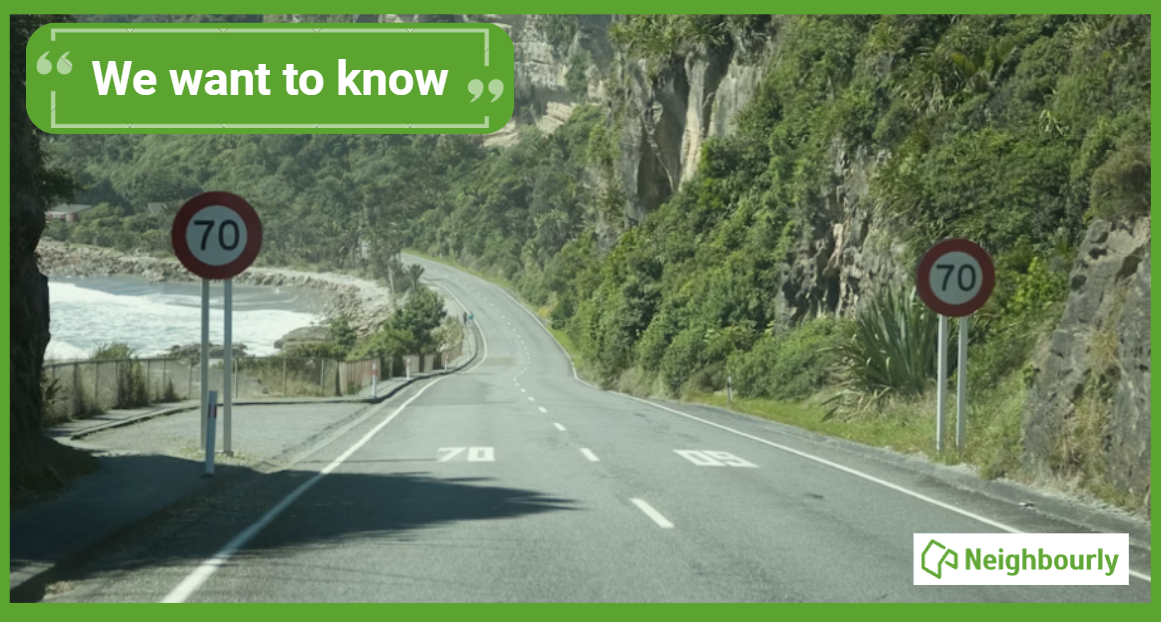
Poll: If we want to reduce speeding, what do you think actually changes driver behaviour? 🛻🚨🚓
In the Post's article on speeding penalties, the question is asked whether speeding fines are truly about road safety, or are they just a way to boost revenue for the Crown?
What do you think? Should speeding motorists receive speeding fines or demerit points?
-
37.6% The sting of a fine (Money talks!)
-
62.4% The threat of demerit points (Nobody wants to lose their license!)

Age Concern are looking for Volunteers in the Northern Suburbs
Our Companion Walking Service provides one-to-one assistance for people who find walking on their own difficult or could you make a difference by being a regular weekly visitor to someone in your area.
We have a particular need for volunteers in the Northern Suburbs, please consider volunteering as we have seniors waiting for a companion.



Some Choice News!
DOC is rolling out a new tool to help figure out what to tackle first when it comes to protecting our threatened species and the things putting them at risk.
Why does this matter? As Nikki Macdonald from The Post points out, we’re a country with around 4,400 threatened species. With limited time and funding, conservation has always meant making tough calls about what gets attention first.
For the first time, DOC has put real numbers around what it would take to do everything needed to properly safeguard our unique natural environment. The new BioInvest tool shows the scale of the challenge: 310,177 actions across 28,007 sites.
Now that we can see the full picture, it brings the big question into focus: how much do we, as Kiwis, truly value protecting nature — and what are we prepared to invest to make it happen?
We hope this brings a smile!

 Loading…