




How can we produce less rubbish?
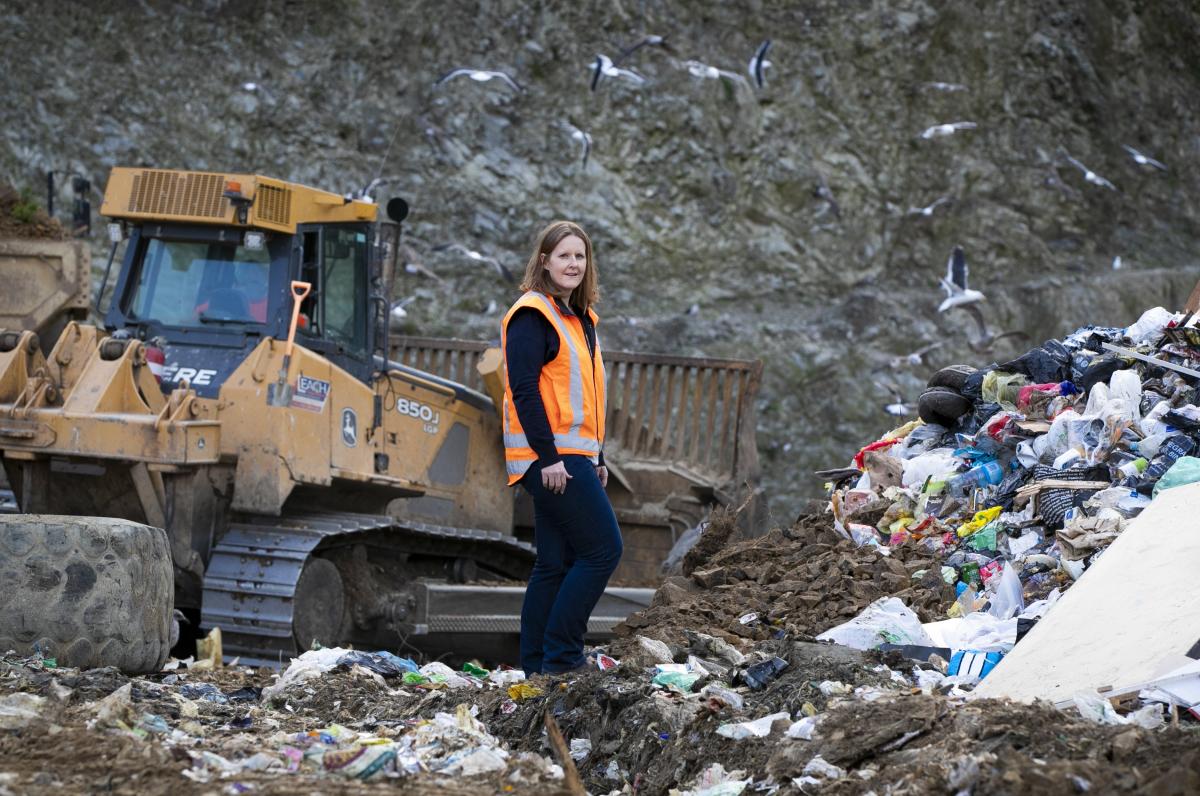
Wellington residents are throwing away more, not less, despite plans to slash the amount of waste sent to landfills by 2026.
The Wellington Regional Waste Management and Minimisation Plan (WMMP), developed in 2017, set a primary target of reducing the amount of waste sent to landfill by one third per person per year from 600 kilograms to 400kg by 2026.
However, according to a Greater Wellington Regional Council report, the amount of waste sent to landfills in the past three years has increased by 17kg, from 606kg per person per year to 623kg, as at June 30. Wellingtonians also recycled less. The amount of recycling processed in the same period decreased by 6kg per person per year to 59kg.

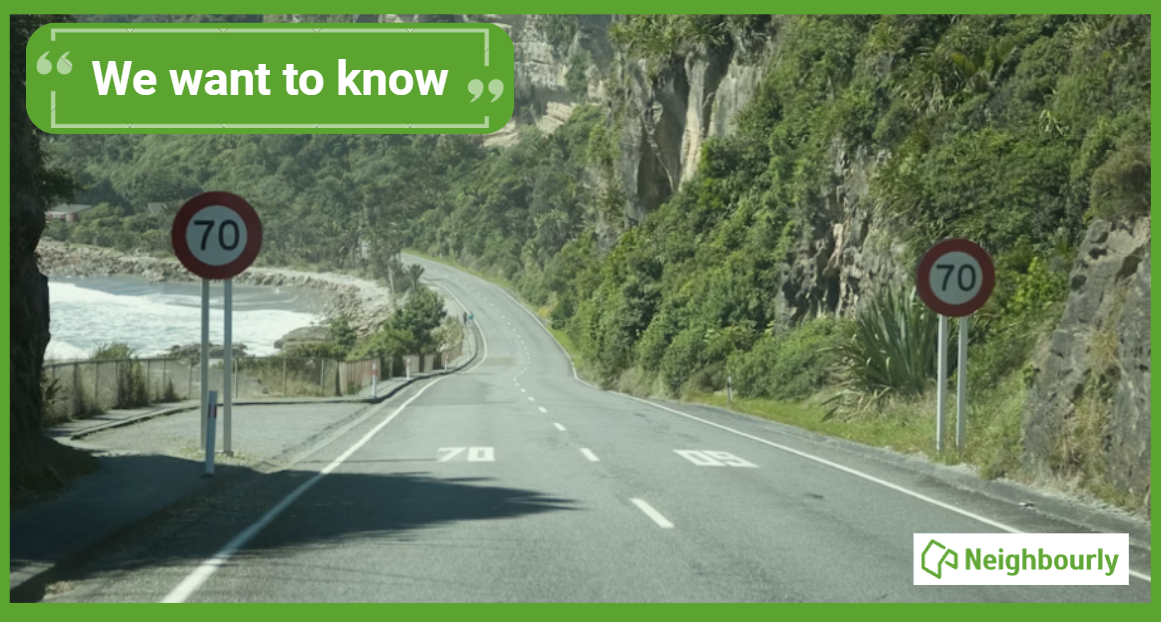
Poll: If we want to reduce speeding, what do you think actually changes driver behaviour? 🛻🚨🚓
In the Post's article on speeding penalties, the question is asked whether speeding fines are truly about road safety, or are they just a way to boost revenue for the Crown?
What do you think? Should speeding motorists receive speeding fines or demerit points?
-
38.1% The sting of a fine (Money talks!)
-
61.9% The threat of demerit points (Nobody wants to lose their license!)

Age Concern are looking for Volunteers in the Northern Suburbs
Our Companion Walking Service provides one-to-one assistance for people who find walking on their own difficult or could you make a difference by being a regular weekly visitor to someone in your area.
We have a particular need for volunteers in the Northern Suburbs, please consider volunteering as we have seniors waiting for a companion.



Some Choice News!
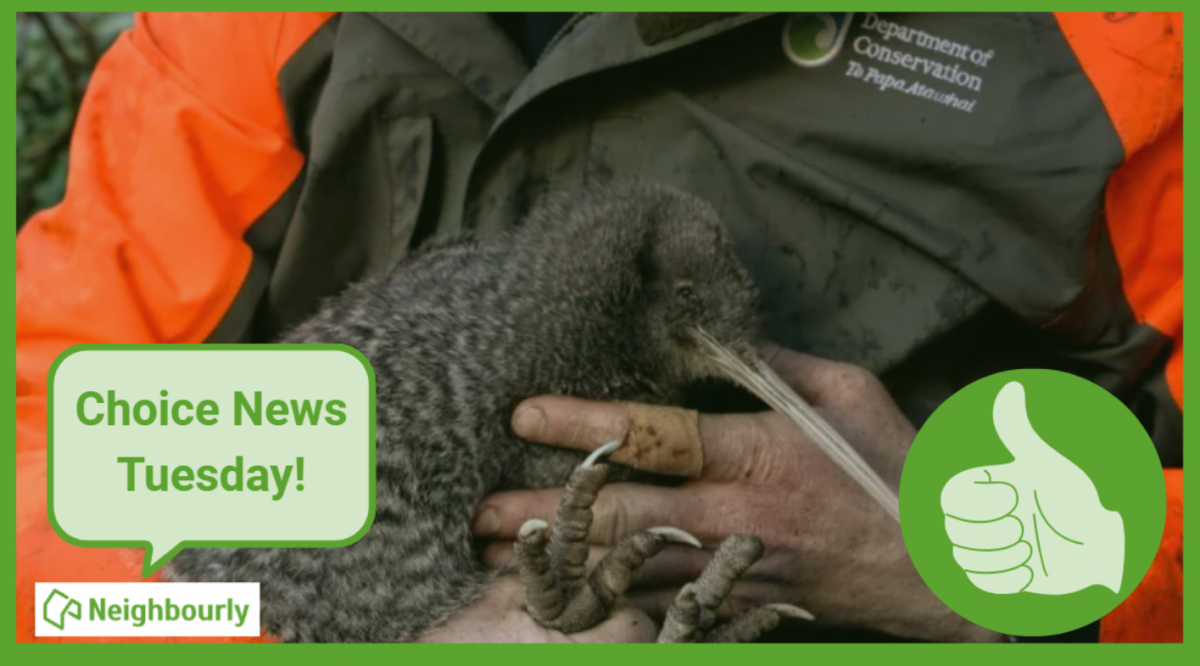
DOC is rolling out a new tool to help figure out what to tackle first when it comes to protecting our threatened species and the things putting them at risk.
Why does this matter? As Nikki Macdonald from The Post points out, we’re a country with around 4,400 threatened species. With limited time and funding, conservation has always meant making tough calls about what gets attention first.
For the first time, DOC has put real numbers around what it would take to do everything needed to properly safeguard our unique natural environment. The new BioInvest tool shows the scale of the challenge: 310,177 actions across 28,007 sites.
Now that we can see the full picture, it brings the big question into focus: how much do we, as Kiwis, truly value protecting nature — and what are we prepared to invest to make it happen?
We hope this brings a smile!
 Loading…