





Private wells: where to get your water tested
By David Hill, Local Democracy Reporter
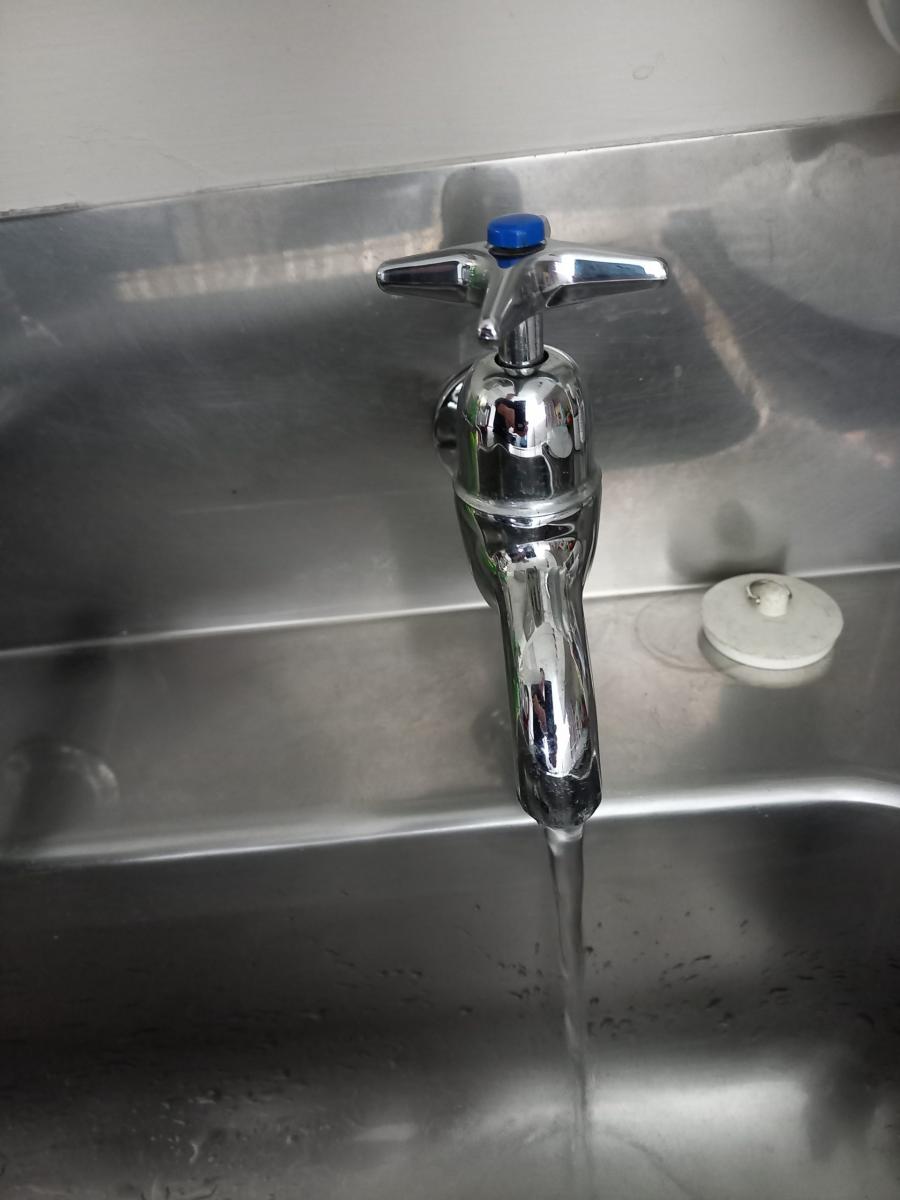
Following recent media coverage on the need to test drinking water from private wells, readers have been asking how they go about it.
The question of whether Environment Canterbury (ECan) should run regionwide events to educate private well owners on the risks, including nitrates and E.Coli, caused plenty of debate at a recent council meeting.
Former chairperson Peter Scott said the question of drinking water quality is the ‘‘most emotional subject’’ in Canterbury.
Greenpeace has been running similar water testing events in Canterbury in recent years.
But several councillors expressed concern a one-off test will not give ‘‘good information’’, as drinking water needs to be tested regularly.
The Waimakariri district has the highest number of lifestyle blocks in the country, with many drinking water from private wells.
ECan and Waimakariri District Council staff refer private well owners to the website of water regulator, Taumata Arowai.
There are 10 accredited laboratories in Canterbury.
‘‘Our advice would be to use one of those registered laboratories,’’ an ECan spokesperson said.
‘‘The webpage lists phone numbers for the laboratories, so in terms of what is involved, the best idea would be to call and ask how best to submit a water sample, and they will advise.’’
The regional council regularly monitors selected private wells across the region to determine trends, but concerns have been expressed the testing is not wide enough.
Taumata Arowai says all registered drinking water suppliers must use an accredited laboratory to ‘‘analyse source water, raw water and drinking water as part of any monitoring requirements’’.
‘‘If test results indicate drinking water does not comply with the drinking water standards or compliance rules, accredited laboratories will notify Taumata Arowai and the drinking water supplier as soon as practicable.’’
The Ministry of Health uses World Health Organisation standards to determine a maximum acceptable value of nitrates in drinking water of 11.3 mg/L.
When drinking water exceeds half of the maximum acceptable value, well owners are advised to regular monitor their drinking water.
For more information, go to taumataarowai.govt.nz/for-water-suppliers/using-an-accredited-laboratory-to-test-your-drinking-water/
Those on council drinking water supplies should contact their local council if they have any concerns.
■ LDR is local body journalism co-funded by RNZ and NZ On Air.

Poll: As a customer, what do you think about automation?
The Press investigates the growing reliance on your unpaid labour.
Automation (or the “unpaid shift”) is often described as efficient ... but it tends to benefit employers more than consumers.
We want to know: What do you think about automation?
Are you for, or against?
-
9.3% For. Self-service is less frustrating and convenient.
-
43.7% I want to be able to choose.
-
47.1% Against. I want to deal with people.
Long term rental wanted
Hi people,I'm a support worker looking for a private secure flat/house for someone I work with.she is very quiet and respectful,doesn't party,smoke or drink,would like to have companion dog over now and again or maybe longer.can anyone help.thanks sharn
Poll: Would you take a 1.5-hour hike for a shop? 🌿🐦
Canterbury, you have a hidden treasure right on your doorstep ... though it does come with a 1.5-hour walk up the stunning Rakaia Gorge Walkway.
Along the trail you’ll find The Fantail Shop showcasing small artworks by local artisans. Even better, every purchase supports the Fantail Trust, helping protect and restore biodiversity on the north bank of the gorge.
So we’re curious: would you take a 1.5-hour hike for a shop? (And for local biodiversity, of course 🌿)

-
32.2% Yes!
-
67.8% No thank you.
 Loading…