





Move!
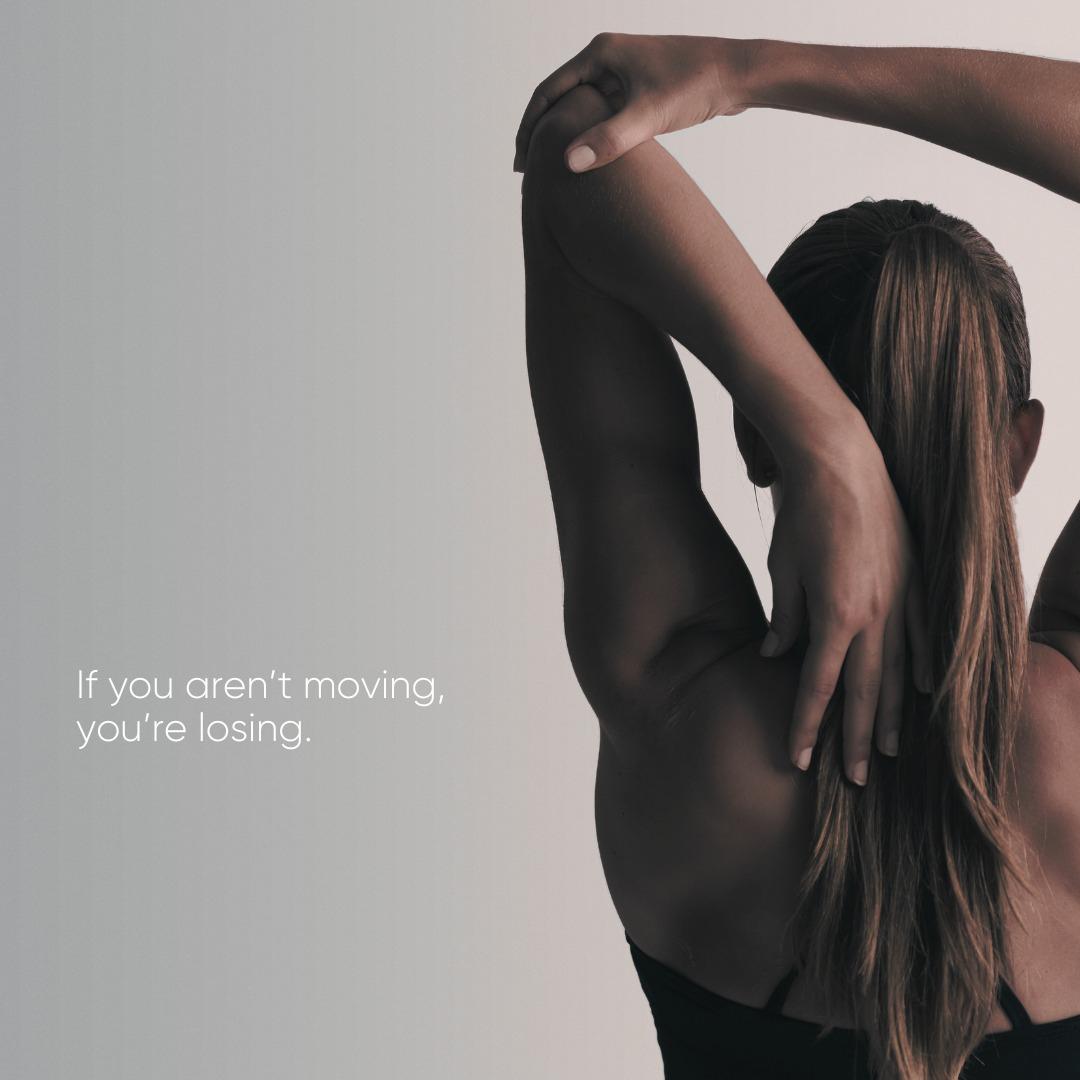
The human body is designed to move. Movement is crucial to how well our bodies are able to regulate essential daily functions. 🏃🤸♂🏊🚴♀
By the same token, increased prevalence of sedentary behaviours is having a profound negative impact on our overall health and wellness 🧑💻📺📱
Some of the potential negative effects are:
💥 Increases chronic inflammation
Increases risk of all-cause mortality, cardiovascular disease, cancer
🦠 Increases chance of metabolic disorders
Increases likelihood of developing musculo-skeletal disorders like osteoporosis
🤯 Can impact mental health (depression, anxiety), and contribute to development of cognitive disorders later in life (dementia, Alzheimer's)
The body needs movement to function. Low fitness (or exercise capacity) is the strongest predictor of death 💀. So the equation is simple:
Movement ➕ Consistency = HEALTHIER YOU 🤩🙌
This does not mean we have to jump from a sedentary lifestyle straight to a comprehensive gym program 🏋️♀.
Research shows that committing to as little as 30 MINUTES of mild/moderate exercise per day can vastly decrease the prevalence of the health complications mentioned above! And that still leaves 23.5 hours for everything else!
So start adding 30 minutes of walking 🚶, jogging 🏃♀, swimming 🏊♀, cycling 🚴, dancing 💃 or yoga 🤸♂ to your daily routine, and start taking charge of YOUR health. 😤
Your body will love you for it! 😇✨
#movement #23andahalfhours #moveyourbody #healthyliving #wellness #running #walking #swimming #dancing #optimalfunction #betterhealth #thrive #takecharge #proactivehealth #betterwithchiropractic #thechironz #getadjusted #wevegotyourback

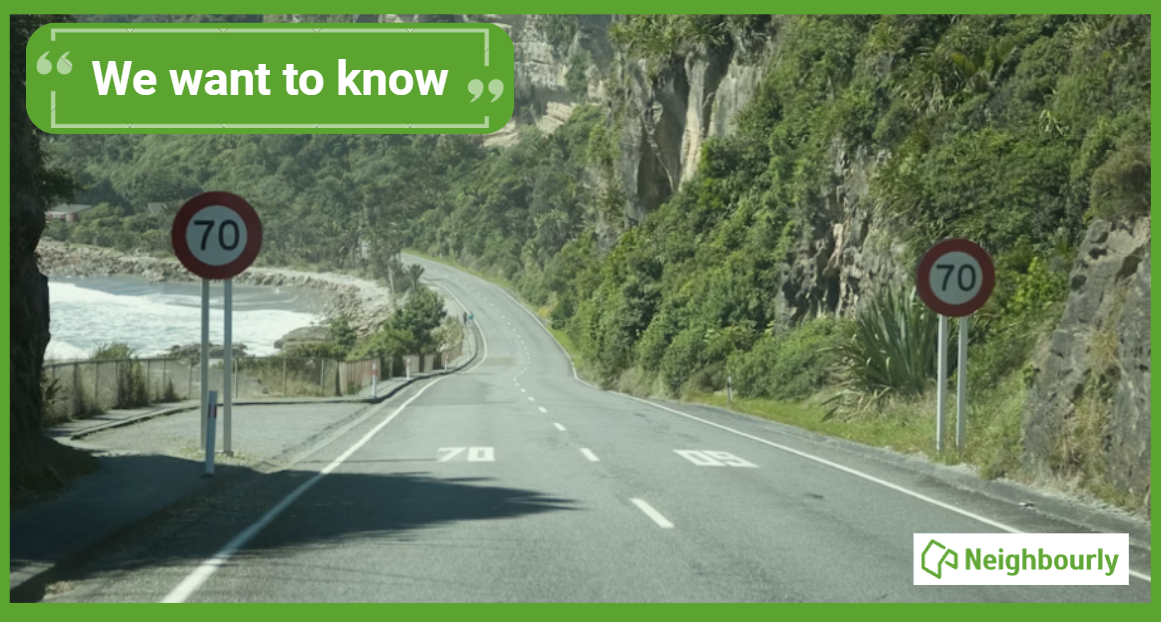
Poll: If we want to reduce speeding, what do you think actually changes driver behaviour? 🛻🚨🚓
In the Post's article on speeding penalties, the question is asked whether speeding fines are truly about road safety, or are they just a way to boost revenue for the Crown?
What do you think? Should speeding motorists receive speeding fines or demerit points?
-
37% The sting of a fine (Money talks!)
-
63% The threat of demerit points (Nobody wants to lose their license!)
Scam Alert: Bank cold calls
ASB is warning customers about reports of cold calls from scammers claiming to be from ASB. These scammers are trying to obtain personal information, including usernames, dates of birth, and verification codes sent to your mobile phone.
🛡️ The "Caller Check" Test
If you get a call from someone claiming to be from ASB and you’re unsure, just ask them for a Caller Check. You will then be able to verify the call through the app.
Remember, banks will:
❌ Never ask for your banking passwords, PINs, or verification codes
❌ Never need to know your full credit card number – especially the CVC
❌ Never ask you to download software or remotely access your device
❌ Never ask you to purchase gift cards or transfer funds.
If you have received a phone call and think your account has been compromised, call ASB on 0800 ASB FRAUD (0800 272 372), or visit your local branch.

Some Choice News!
DOC is rolling out a new tool to help figure out what to tackle first when it comes to protecting our threatened species and the things putting them at risk.
Why does this matter? As Nikki Macdonald from The Post points out, we’re a country with around 4,400 threatened species. With limited time and funding, conservation has always meant making tough calls about what gets attention first.
For the first time, DOC has put real numbers around what it would take to do everything needed to properly safeguard our unique natural environment. The new BioInvest tool shows the scale of the challenge: 310,177 actions across 28,007 sites.
Now that we can see the full picture, it brings the big question into focus: how much do we, as Kiwis, truly value protecting nature — and what are we prepared to invest to make it happen?
We hope this brings a smile!

 Loading…