





Art History: Ancient Practice of Textile Art and How It Continues to Reinvent Itself
We come into contact with textile art every day. From the clothes we wear to the objects that decorate our home, it’s an art that can be simultaneously beautiful and useful. But it should come as no surprise that this field occupies these two categories. At the beginning of its long history, textiles were seen as a utility rather than something that serves no discernible function aside from aesthetics. And while this is still the case today, visionary creatives have helped the art continually reinvent itself.
Textile art is one of the oldest forms of art in human civilization. At its inception, it was not focused on looks, but for practical purposes—such as clothing or blankets to keep warm. This dates all the way back to prehistoric times, and anthropologists estimate that this is between 100,000 to 500,000 years ago. These goods were made from animal skins, furs, leaves, and more.
As time wore on and the neolithic cultures settled, textiles become increasingly complex. Many early pieces were made with felting, which agitates animal fibers (like wool) to interlock them in a strong bond. Beyond that, though, humans also spun fibers to create strands of thread. They were woven together and resemble more of what we’re used to today.
Creating clothing and other textiles was laborious—everything had to be done by hand. This included gathering fibers from plants or animals and then twisting them to make it into yarn. In addition to being a tedious process, making an article of clothing was expensive; tailors and seamstresses altered garments to ensure that they lasted a long time. Depending on how wealthy someone was, they could get imported fabrics and colorful dyes. The Silk Road trade routes brought Chinese silk to India, Africa, and Europe. While clothing was still the dominant type of fiber art, the aristocracy could also afford to decorate the walls, floors, and furniture of their palaces in lush and vibrant pieces.
The Industrial Revolution was a turning point for textiles. With the invention of the cotton gin, spinning jenny, and power loom, creating fabric was now automated and could be produced on a massive scale. Textiles were not just for the wealthy anymore; as prices dropped, they were available to more of society. It also meant that these materials were not as precious, and creative people could experiment with them in previously unseen ways.
The rich history of textiles has laid the groundwork for contemporary creatives. In modern times, the terms fiber art or textile art generally describe textile-based objects that have no intended use. Although this realm has previously been seen as “women’s work,” artists—particularly female artists in the 1960s and 70s—started to reclaim the field and elevate it into high art.
Keep reading: mymodernmet.com...


🧩😏 Riddle me this, Neighbours…
I am an odd number. Take away a letter and I become even. What number am I?
Do you think you know the answer?
Want to stop seeing these in your newsfeed? No worries! Simply head here and click once on the Following button.


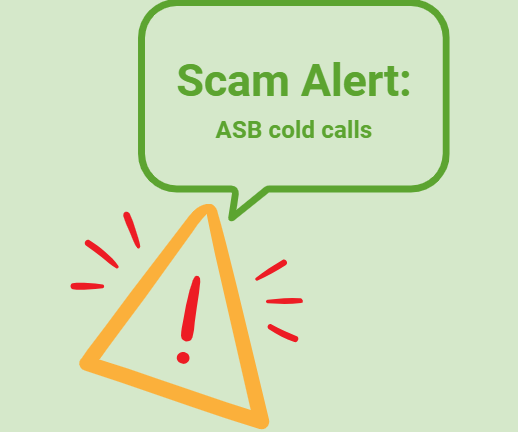
Scam Alert: Bank cold calls
ASB is warning customers about reports of cold calls from scammers claiming to be from ASB. These scammers are trying to obtain personal information, including usernames, dates of birth, and verification codes sent to your mobile phone.
🛡️ The "Caller Check" Test
If you get a call from someone claiming to be from ASB and you’re unsure, just ask them for a Caller Check. You will then be able to verify the call through the app.
Remember, banks will:
❌ Never ask for your banking passwords, PINs, or verification codes
❌ Never need to know your full credit card number – especially the CVC
❌ Never ask you to download software or remotely access your device
❌ Never ask you to purchase gift cards or transfer funds.
If you have received a phone call and think your account has been compromised, call ASB on 0800 ASB FRAUD (0800 272 372), or visit your local branch.

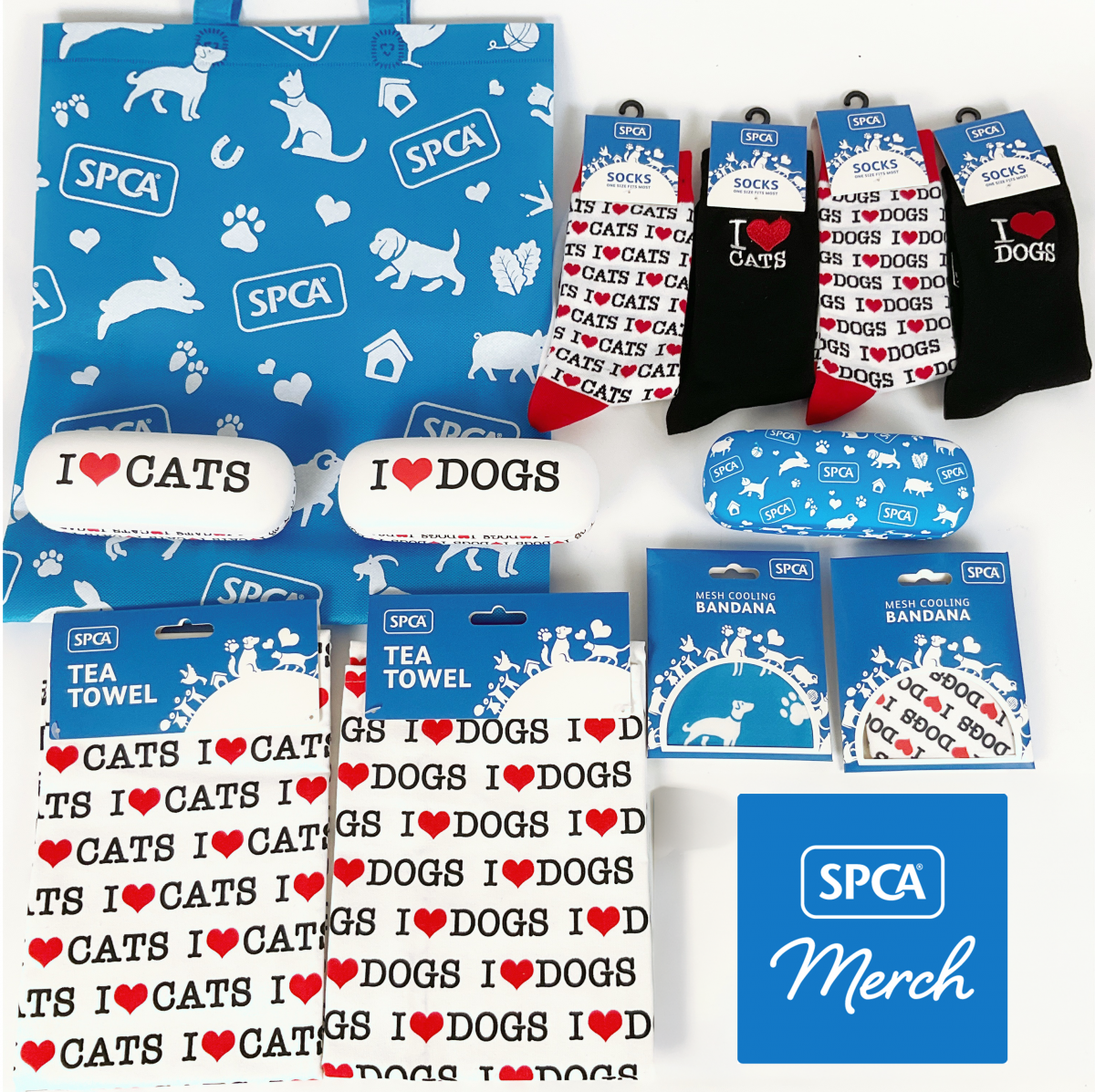
🐾 It’s here! Our SPCA Merch has officially launched online 🐾
We’re excited to share our brand-new range of exclusive SPCA Merch, featuring tees, tote bags, socks, bandanas, and more 🛍️
Shop the range online now 🔗 www.spcaopshops.nz...
Every purchase helps raise vital funds to protect over 55,000 animals in need across NZ every year 💙
 Loading…