






Art History: Ancient Practice of Textile Art and How It Continues to Reinvent Itself
We come into contact with textile art every day. From the clothes we wear to the objects that decorate our home, it’s an art that can be simultaneously beautiful and useful. But it should come as no surprise that this field occupies these two categories. At the beginning of its long history, textiles were seen as a utility rather than something that serves no discernible function aside from aesthetics. And while this is still the case today, visionary creatives have helped the art continually reinvent itself.
Textile art is one of the oldest forms of art in human civilization. At its inception, it was not focused on looks, but for practical purposes—such as clothing or blankets to keep warm. This dates all the way back to prehistoric times, and anthropologists estimate that this is between 100,000 to 500,000 years ago. These goods were made from animal skins, furs, leaves, and more.
As time wore on and the neolithic cultures settled, textiles become increasingly complex. Many early pieces were made with felting, which agitates animal fibers (like wool) to interlock them in a strong bond. Beyond that, though, humans also spun fibers to create strands of thread. They were woven together and resemble more of what we’re used to today.
Creating clothing and other textiles was laborious—everything had to be done by hand. This included gathering fibers from plants or animals and then twisting them to make it into yarn. In addition to being a tedious process, making an article of clothing was expensive; tailors and seamstresses altered garments to ensure that they lasted a long time. Depending on how wealthy someone was, they could get imported fabrics and colorful dyes. The Silk Road trade routes brought Chinese silk to India, Africa, and Europe. While clothing was still the dominant type of fiber art, the aristocracy could also afford to decorate the walls, floors, and furniture of their palaces in lush and vibrant pieces.
The Industrial Revolution was a turning point for textiles. With the invention of the cotton gin, spinning jenny, and power loom, creating fabric was now automated and could be produced on a massive scale. Textiles were not just for the wealthy anymore; as prices dropped, they were available to more of society. It also meant that these materials were not as precious, and creative people could experiment with them in previously unseen ways.
The rich history of textiles has laid the groundwork for contemporary creatives. In modern times, the terms fiber art or textile art generally describe textile-based objects that have no intended use. Although this realm has previously been seen as “women’s work,” artists—particularly female artists in the 1960s and 70s—started to reclaim the field and elevate it into high art.
Keep reading: mymodernmet.com...


Have you got New Zealand's best shed? Show us and win!
Once again, Resene and NZ Gardener are on the hunt for New Zealand’s best shed! Send in the photos and the stories behind your man caves, she sheds, clever upcycled spaces, potty potting sheds and colourful chicken coops. The Resene Shed of the Year 2026 winner receives $1000 Resene ColorShop voucher, a $908 large Vegepod Starter Pack and a one-year subscription to NZ Gardener. To enter, tell us in writing (no more than 500 words) why your garden shed is New Zealand’s best, and send up to five high-quality photos by email to mailbox@nzgardener.co.nz. Entries close February 23, 2026.


Poll: 🤖 What skills do you think give a CV the ultimate edge in a robot-filled workplace?
The Reserve Bank has shared some pretty blunt advice: there’s no such thing as a “safe” job anymore 🛟😑
Robots are stepping into repetitive roles in factories, plants and warehouses. AI is taking care of the admin tasks that once filled many mid-level office jobs.
We want to know: As the world evolves, what skills do you think give a CV the ultimate edge in a robot-filled workplace?
Want to read more? The Press has you covered!

-
53.8% Human-centred experience and communication
-
14.1% Critical thinking
-
29.4% Resilience and adaptability
-
2.7% Other - I will share below!
The latest product recalls
We are bringing you the latest list of recalled products from across the country. Make sure you aren't using these at home!
Click on the blue text to learn more about that particular product and why it was recalled.
Food and household item recalls:
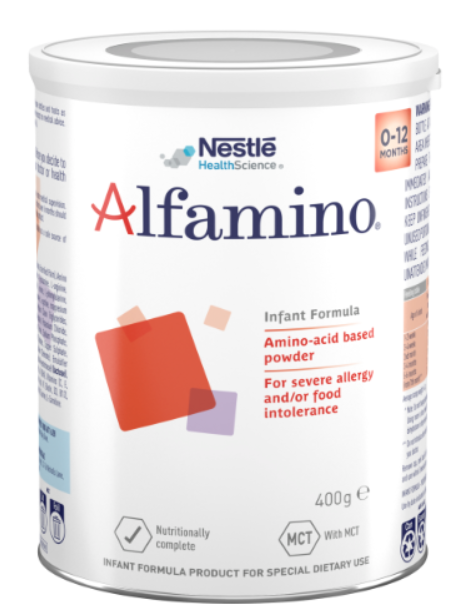
⚠️Cereulide toxin risk in Nestlé brand Alfamino Infant Formula (0-12 months) recalled due to the possible presence of the toxin cereulide
Nestlé Milo Dipped Snack Bars
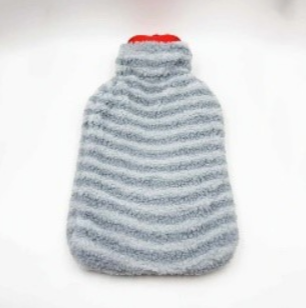
BC Hot Water Bottles sold at Bargain Chemist
Product Recalls: Infant care and clothing
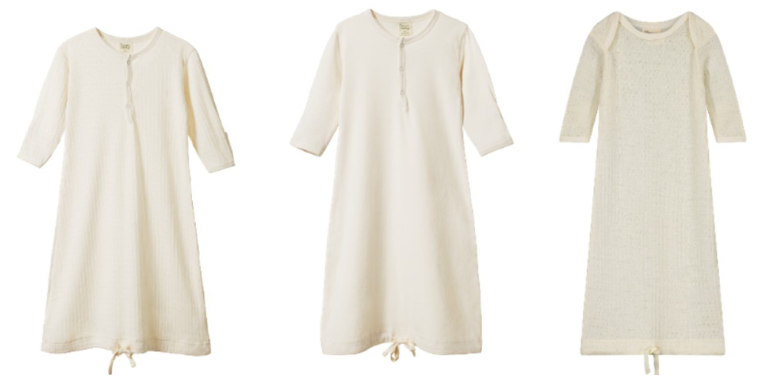
Nature Baby Sleeping Gown
Product Recalls: Toys
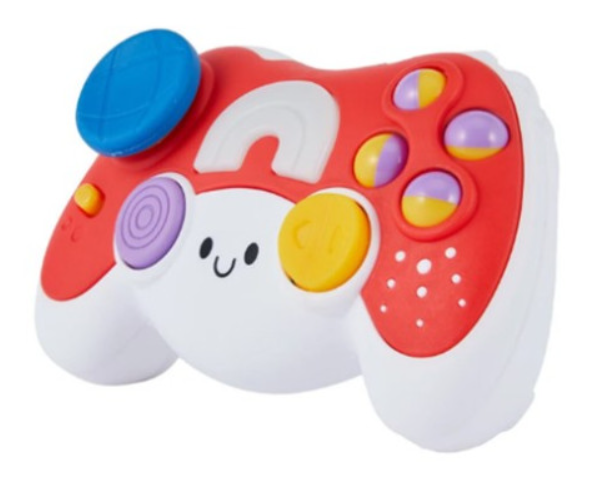
Sensory Game Controller - sold at Kmart
Product Recalls: Cosmetics
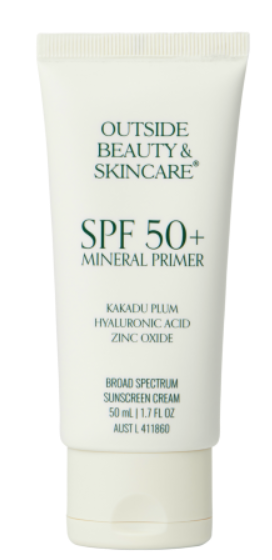
Outside Beauty & Skincare SPF 50+ Mineral Primer (2 batches)
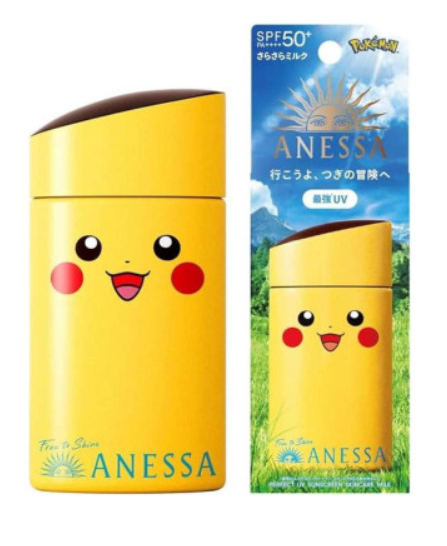
Anessa and Shiseido Anessa sunscreens sold only at Daikoku
Biore and Kao Biore sunscreens sold only at Daikoku
Kose Sunscreens sold only at Daikoku
Mentholatum sunscreens sold only at Daikoku
Pigeon sunscreens sold only at Daikoku
Rohto sunscreens sold only at Daikoku
Product Recalls: Electronics
Harvest Right Freeze Dryer HRFDSBKP-PP sold at Costco
Product Recalls: Other
Michelin X Multi Z and X Line Energy Z, size: 355/50R22.5, load/speed index:156K
UPDATED GASGAS Motorcycles: GASGAS Cross Country and Motocross model motorcycles with BRAKTEC brake system. New VINS added
Check the New Zealand Transport Agency's handy vehicle recall list here.
See past months' recalls. Stay safe, neighbours!

 Loading…