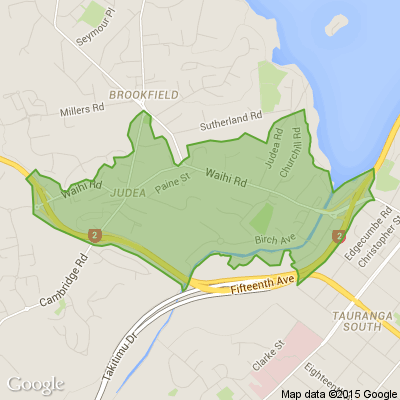





Common Types of Fabric Construction for Curtains and Upholstery - Part 1
When it comes to home interiors and soft furnishings there really is a vast range of curtain and upholstery fabrics to choose from, all with varying attributes for certain applications. To ensure you start your project off with the right foundations, you need to be selecting a fabric that is most suited to its purpose.
There are various textile constructions/qualities that fall within five fabric “types” we describe in an earlier article. In this two-part article we will discuss the most commonly manufactured constructions that you see in the market today.
DAMASK: Damasks are traditional jacquard fabrics, which were originally woven in a single colour, where the design and ground are in contrasting weaves, (generally using warp-faced and weft-faced satin weaves).
CHINTZ: Chintz is a closely woven plain fabric, traditionally cotton, with a shiny and lustrous appearance. The fabric is processed with a glazed or calendared finish to give it a polished look.
FELT: Felt is matted fabric with a predominantly woollen composition. There are two types of felt, woven and un-woven. Felting of woven wool fabric is achieved by interlocking the natural scales on the surface of wool fibres through heat, moisture, steam, pressure and friction.
FIL COUPÉ: A small jacquard pattern on a lightweight fabric, in which the fil/weft threads connecting each pattern/motif are cut and removed from the reverse of the fabric leaving the remaining pattern/motif with frayed edges.
FAUX-LEATHER (VINYL): Polyvinyl chloride (commonly abbreviated as PVC or referred to as vinyl) is the third-most widely produced polymer after polyethylene and polypropylene. It should not be washed with cleaning solvents, but more specifically only a mixture of gentle soap and warm water.
Keep reading: www.curtainclean.co.nz...


🎉 Riddle me this, legends! 🎉
He/She who makes it, sells it.
He/She who buys it, doesn't use it.
The user doesn't know they are using it.
What is it?
(Shezz from Ngāruawāhia kindly provided this head-scratcher ... thanks, Shezz!)
Do you think you know the answer? Simply 'Like' this post if you know the answer and the big reveal will be posted in the comments at 2pm on the day!
Want to stop seeing these in your newsfeed?
Head here and hover on the Following button on the top right of the page (and it will show Unfollow) and then click it. If it is giving you the option to Follow, then you've successfully unfollowed the Riddles page.

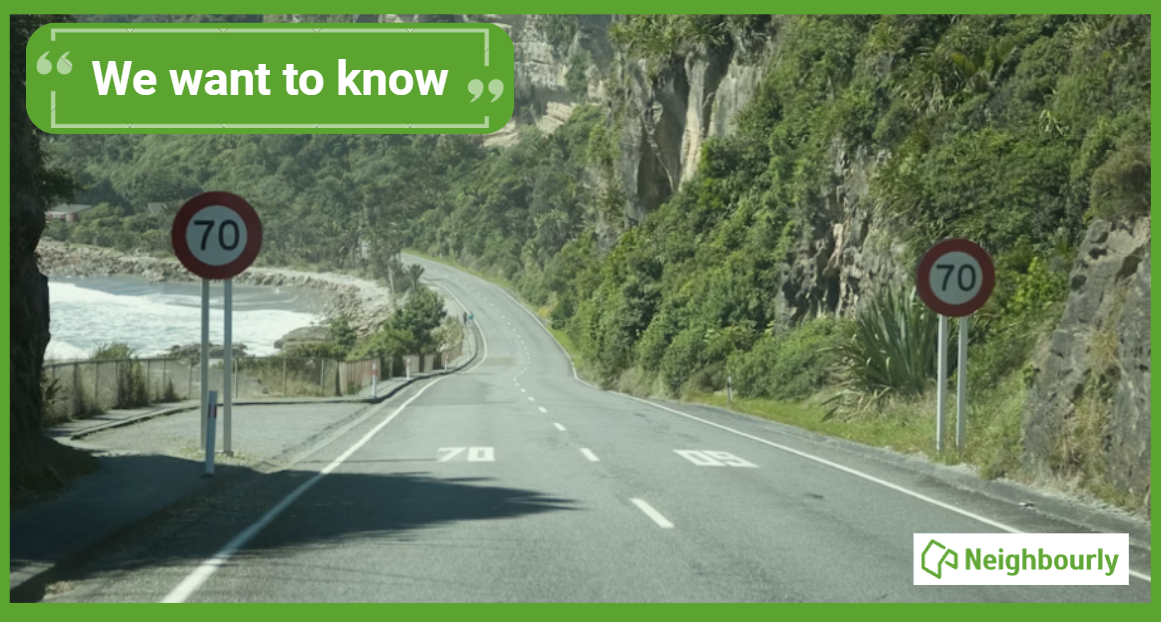
Poll: If we want to reduce speeding, what do you think actually changes driver behaviour? 🛻🚨🚓
In the Post's article on speeding penalties, the question is asked whether speeding fines are truly about road safety, or are they just a way to boost revenue for the Crown?
What do you think? Should speeding motorists receive speeding fines or demerit points?
-
37.2% The sting of a fine (Money talks!)
-
62.8% The threat of demerit points (Nobody wants to lose their license!)
Scam Alert: Bank cold calls
ASB is warning customers about reports of cold calls from scammers claiming to be from ASB. These scammers are trying to obtain personal information, including usernames, dates of birth, and verification codes sent to your mobile phone.
🛡️ The "Caller Check" Test
If you get a call from someone claiming to be from ASB and you’re unsure, just ask them for a Caller Check. You will then be able to verify the call through the app.
Remember, banks will:
❌ Never ask for your banking passwords, PINs, or verification codes
❌ Never need to know your full credit card number – especially the CVC
❌ Never ask you to download software or remotely access your device
❌ Never ask you to purchase gift cards or transfer funds.
If you have received a phone call and think your account has been compromised, call ASB on 0800 ASB FRAUD (0800 272 372), or visit your local branch.
 Loading…