





Blind and Curtain Cord Safety for protecting children
Take these four simple steps to ensure that blind and curtain cords/chains are out of reach of children, particularly from children under six.
1. Check your blind and curtain cords
• Check for loose or looped cords that your child can reach from the floor or by climbing on furniture.
• Immediately tie cords out of reach and move away any furniture children might climb on to reach them.
• Do this anywhere you are staying, including on holiday.
2. Secure your cords out of reach
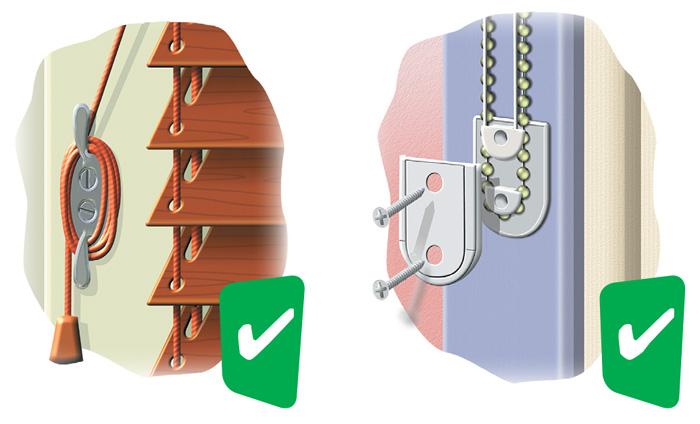
• Buy cleats or tensioning devices for securing cords from a hardware store or curtain and blind shop.
• Use screws to fix each cleat or tensioning device in a place that is out of reach of children.
• Never secure these devices with materials that may fail when a load is placed on them, such as double-sided tape or glue.
• If you cannot fix your unsafe cords and chains out of reach yourself, get a reliable tradesperson to do it for you. If you are renting your home, seek help from your landlord or agent.
3. Choose safe blinds and curtains. Buy new curtains and blinds which:
• comply with the national mandatory standard
• have warning labels to remind you of dangers to children
• provide a way to secure cords/chains so there are no loops or strands that children can reach, or
• operate without exposed cords/chains.
4. Keep children away from all cords/chains
• Move anything a young child can sit in, stand or climb on (like cots, highchairs, beds, sofas, tables, chairs and bookshelves) away from cords/ chains—even those tied around a cleat, as your child may be able to untie them.
• Do not let children play near cords/chains they can reach.
• Never leave children alone in a room with cords/chains they can reach.

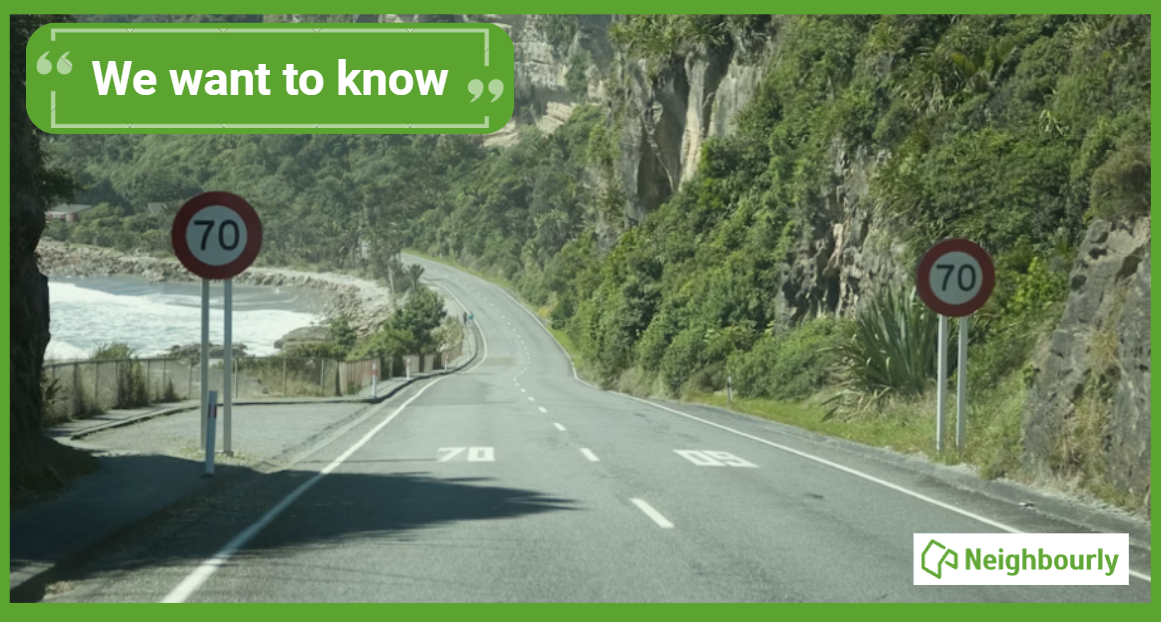
Poll: If we want to reduce speeding, what do you think actually changes driver behaviour? 🛻🚨🚓
In the Post's article on speeding penalties, the question is asked whether speeding fines are truly about road safety, or are they just a way to boost revenue for the Crown?
What do you think? Should speeding motorists receive speeding fines or demerit points?
-
38.2% The sting of a fine (Money talks!)
-
61.8% The threat of demerit points (Nobody wants to lose their license!)

🎉 Riddle me this, legends! 🎉
He/She who makes it, sells it.
He/She who buys it, doesn't use it.
The user doesn't know they are using it.
What is it?
(Shezz from Ngāruawāhia kindly provided this head-scratcher ... thanks, Shezz!)
Do you think you know the answer? Simply 'Like' this post if you know the answer and the big reveal will be posted in the comments at 2pm on the day!
Want to stop seeing these in your newsfeed?
Head here and hover on the Following button on the top right of the page (and it will show Unfollow) and then click it. If it is giving you the option to Follow, then you've successfully unfollowed the Riddles page.
Scam Alert: Bank cold calls
ASB is warning customers about reports of cold calls from scammers claiming to be from ASB. These scammers are trying to obtain personal information, including usernames, dates of birth, and verification codes sent to your mobile phone.
🛡️ The "Caller Check" Test
If you get a call from someone claiming to be from ASB and you’re unsure, just ask them for a Caller Check. You will then be able to verify the call through the app.
Remember, banks will:
❌ Never ask for your banking passwords, PINs, or verification codes
❌ Never need to know your full credit card number – especially the CVC
❌ Never ask you to download software or remotely access your device
❌ Never ask you to purchase gift cards or transfer funds.
If you have received a phone call and think your account has been compromised, call ASB on 0800 ASB FRAUD (0800 272 372), or visit your local branch.
 Loading…