





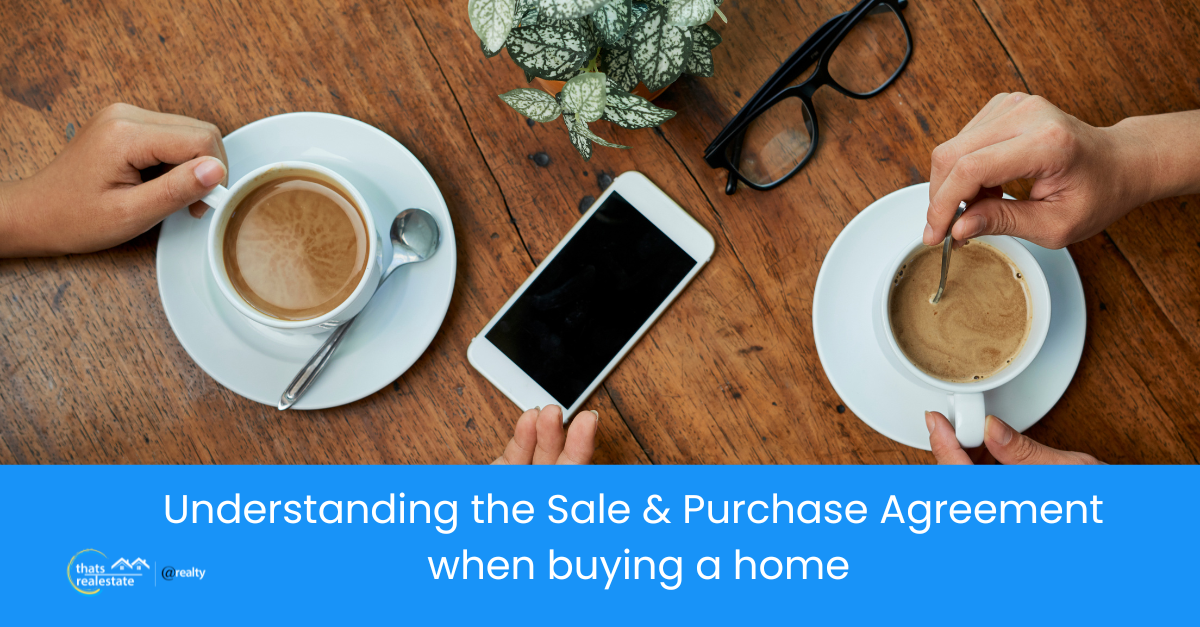
Understanding the Sale & Purchase Agreement when buying a home
A sale and purchase agreement is a legally binding contract between you and the seller.
You must sign a written sale and purchase agreement when you buy a property. It sets out all the details, terms and conditions of the sale — this includes things such as the price, any chattels being sold with the property, whether the buyer needs to sell another property first and the settlement date.
You can negotiate the conditions in a sale and purchase agreement.
We as real estate agents help you and the seller to include the conditions you both want. Even though the we work for the seller, we also have to deal fairly and be transparent with the buyer.
We can’t withhold any information, and we must tell you about any known defects with the property.
Always check your sale and purchase agreement with a lawyer or conveyancer before signing. You need to read and understand the agreement before you sign it.
Before you sign a sale and purchase agreement, we must give you a copy of the REA New Zealand Residential Property Sale and Purchase Agreement Guide. We must also ask you to confirm in writing that you’ve received it.
A sale and purchase agreement becomes unconditional when all the conditions are met.
A sale and purchase agreement provides certainty to you and the seller about what will happen when.
You should always get legal advice before you sign the agreement and throughout the buying process.
Want to know more about a Sale & Purchase Agreement & the clauses that can be added, have a confidential chat with me today 📱0274 951 536

🎉 Riddle me this, legends! 🎉
He/She who makes it, sells it.
He/She who buys it, doesn't use it.
The user doesn't know they are using it.
What is it?
(Shezz from Ngāruawāhia kindly provided this head-scratcher ... thanks, Shezz!)
Do you think you know the answer? Simply 'Like' this post if you know the answer and the big reveal will be posted in the comments at 2pm on the day!
Want to stop seeing these in your newsfeed?
Head here and hover on the Following button on the top right of the page (and it will show Unfollow) and then click it. If it is giving you the option to Follow, then you've successfully unfollowed the Riddles page.

Scam Alert: Bank cold calls
ASB is warning customers about reports of cold calls from scammers claiming to be from ASB. These scammers are trying to obtain personal information, including usernames, dates of birth, and verification codes sent to your mobile phone.
🛡️ The "Caller Check" Test
If you get a call from someone claiming to be from ASB and you’re unsure, just ask them for a Caller Check. You will then be able to verify the call through the app.
Remember, banks will:
❌ Never ask for your banking passwords, PINs, or verification codes
❌ Never need to know your full credit card number – especially the CVC
❌ Never ask you to download software or remotely access your device
❌ Never ask you to purchase gift cards or transfer funds.
If you have received a phone call and think your account has been compromised, call ASB on 0800 ASB FRAUD (0800 272 372), or visit your local branch.
Poll: If we want to reduce speeding, what do you think actually changes driver behaviour? 🛻🚨🚓
In the Post's article on speeding penalties, the question is asked whether speeding fines are truly about road safety, or are they just a way to boost revenue for the Crown?
What do you think? Should speeding motorists receive speeding fines or demerit points?

-
36.8% The sting of a fine (Money talks!)
-
63.2% The threat of demerit points (Nobody wants to lose their license!)
 Loading…