





PINK - A Colourful History
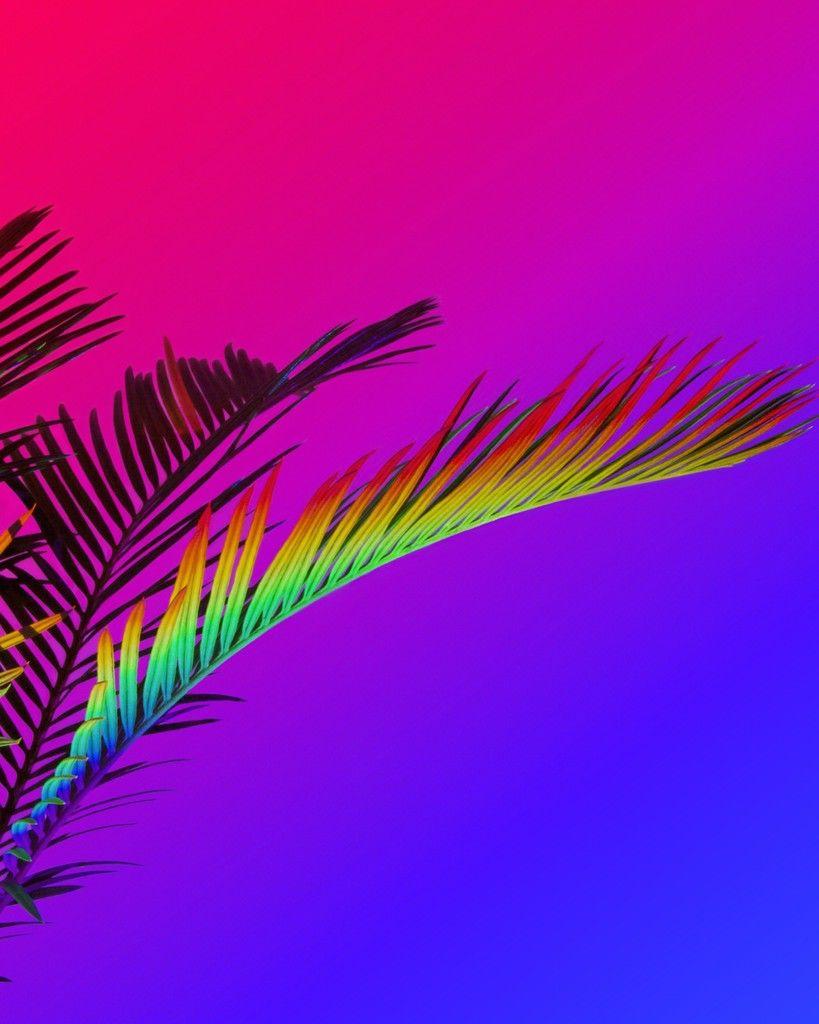
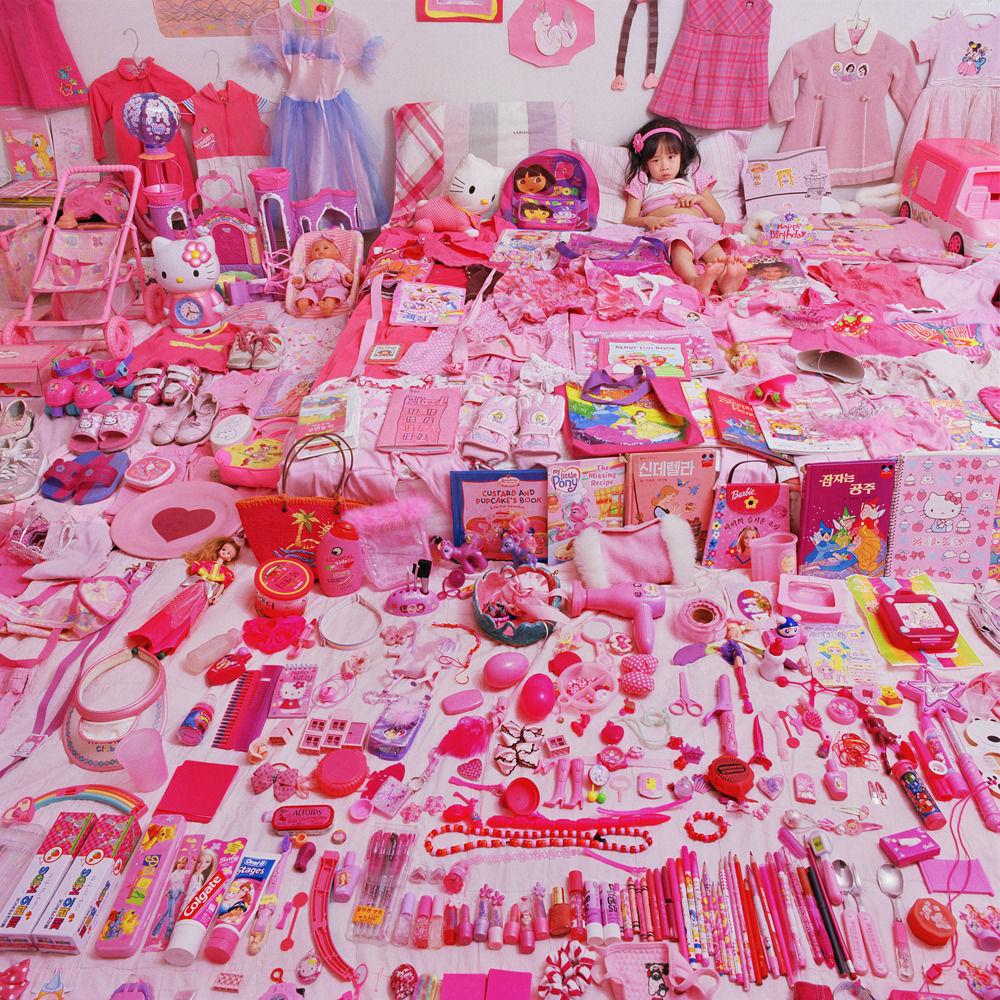
Pink has always been a spectacular contradiction. It’s simultaneously fresh-faced and sophisticated, alien (a 17th-century Chinese word for pink meant “foreign color”) and internal, and at home in both high and low culture. In Japan, it serves as wistful symbol of the slain samurai; in Korea, it’s interpreted as a sign of trustworthiness.
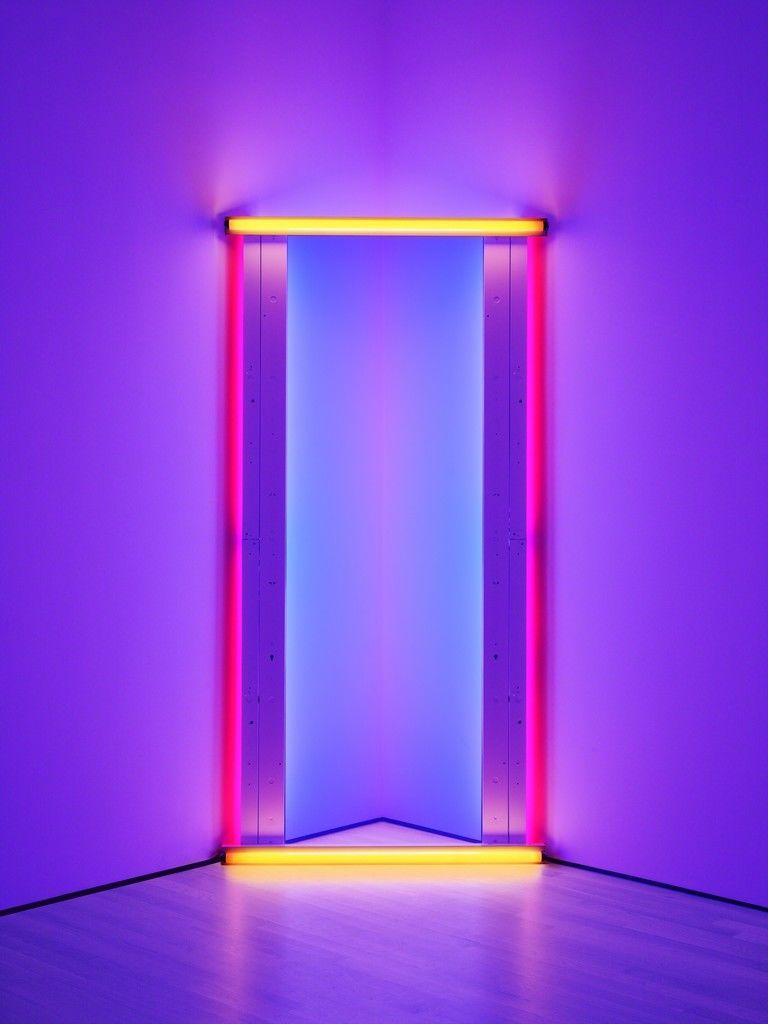
In the West, pink has shifted from one extreme to the next over the last three centuries. Eighteenth-century fashion helped to popularize the shade, which was a favorite of the pastel-loving European bourgeoisie. Pink received a fuchsia facelift during the 1960s Pop Art movement and a neon-soaked ’90s revival, before settling down as the pale, “post-gender” center of every millennial moodboard. From Renaissance portraits to rose gold iPhones, here’s a brief history of pink in art—and beyond.
Pink rarely appears in nature, which may explain why the color only entered the English language as a noun at the end of the 17th century. But in other languages, the shade remains difficult to pin down. Pink’s cultural significance can also vary widely between countries. In contemporary Japanese culture, pink is perceived as a masculine and mournful color that represents 'young warriors who fall in battle while in the full bloom of life.' In Germany, pink is “rosa”—a hue that’s 'bright, soft, peaceful, sweet, and harmless.'
The diversity of pink hues is the result of adding or subtracting yellow and blue tones from a wide spectrum of colors.
Keep reading: www.artsy.net...


Got more greens than you know what to do with? 🥦🌱🥕
Whether it’s a courgette takeover or a feijoa frenzy, don’t let those garden gems go to waste!
Our suggestion to you: Did you know you can grate and freeze excess courgettes to use in chocolate cake later? It sounds a bit dodgy, but it makes the cake incredibly moist ... and hey, it counts as a serving of veg, right? 🍫
What’s your go-to move for a bumper harvest? Drop your best "glut" recipes or preservation hacks in the comments below! 👇

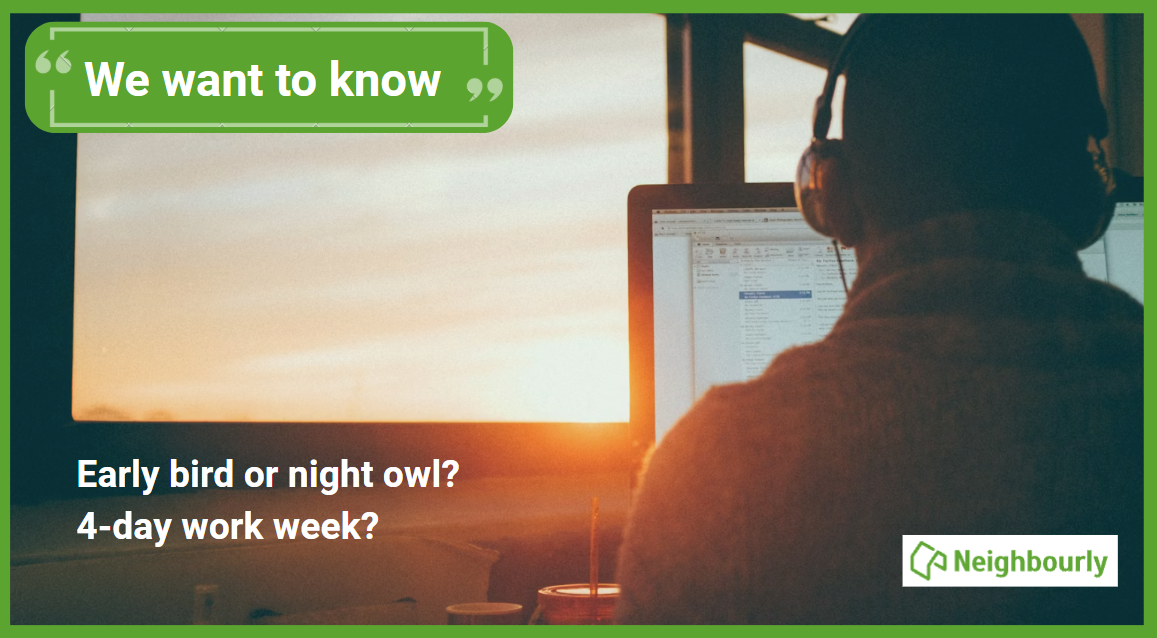
🪱🐦 When are you the most productive? 🌙🦉
The Post has been diving into our daily habits, and research suggests being an early bird or a night owl isn’t just a choice—it’s biology! We all have that specific time when our brains finally "click" into gear.
This raises a big question for the modern workplace. To get the best out of everyone, should employers accommodate our natural body clocks? This idea is at the heart of the four-day work week and flexible scheduling movements.
We want to hear from you:
1. When does your brain "click" into gear?
2. Would a flexible (or shortened) schedule change the way you work?

🌉🛶 Early Birds Might Crack This One First… or Not? 🥚🧠
A person is crossing a bridge and sees a boat full of people, yet there isn't a single person on board.
How is this possible?
(Susan from Massey kindly provided this head-scratcher ... thanks, Susan!)
Do you think you know the answer? Simply 'Like' this post if you know the answer and the big reveal will be posted in the comments at 2pm on the day!
Want to stop seeing these in your newsfeed?
Head here and hover on the Following button on the top right of the page (and it will show Unfollow) and then click it. If it is giving you the option to Follow, then you've successfully unfollowed the Riddles page.
 Loading…