





PINK - A Colourful History
In the West, pink first became fashionable in the mid-1700s, when European aristocrats -- both men and women -- wore faint, powdery variants as a symbol of luxury and class. Madame de Pompadour, the chief mistress of Louis XV, loved the color so much that, in 1757, French porcelain manufacturer Sèvres named its exquisite new shade of pink, Rose Pompadour, after her.
Pink was not then considered a "girls" color -- infants of both sexes were dressed in white. The tint was, in fact, often considered more appropriate for little boys because it was seen as a paler shade or red, which had "masculine," military undertones.
The more recent association with women and femininity started around the mid-19th century, when "men in the Western world increasingly wore dark, sober colors," leaving brighter and pastel options to their female counterparts.
Keep reading: edition.cnn.com...


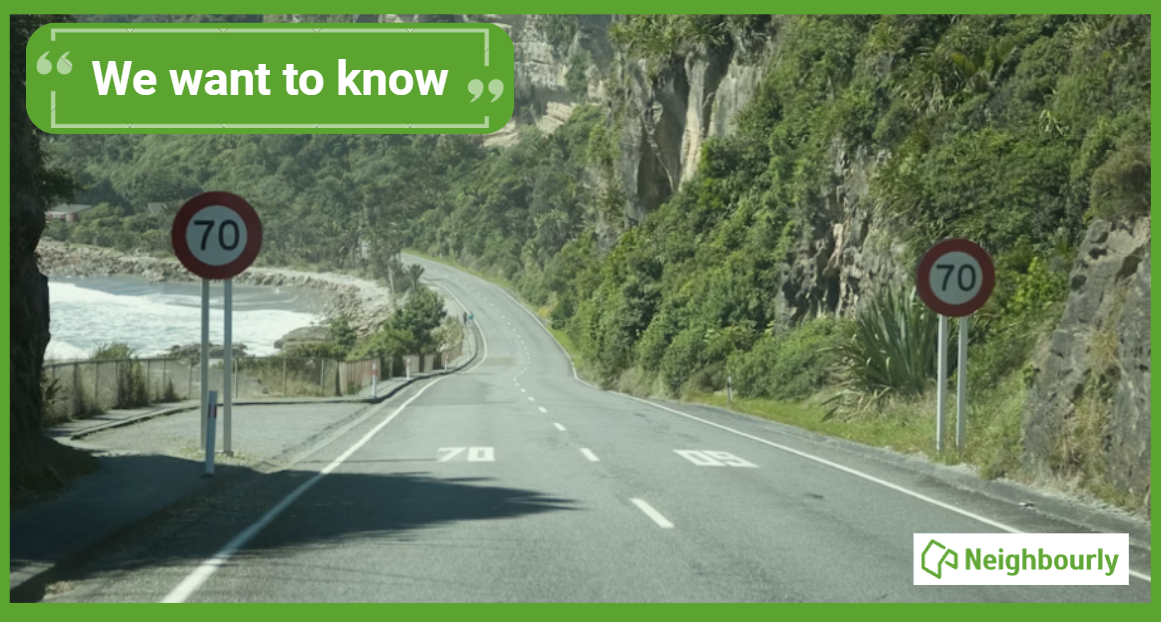
Poll: If we want to reduce speeding, what do you think actually changes driver behaviour? 🛻🚨🚓
In the Post's article on speeding penalties, the question is asked whether speeding fines are truly about road safety, or are they just a way to boost revenue for the Crown?
What do you think? Should speeding motorists receive speeding fines or demerit points?
-
30.8% The sting of a fine (Money talks!)
-
69.2% The threat of demerit points (Nobody wants to lose their license!)

Share your favourite main crop potato recipe and win a copy of our mag!
Love potatoes? We will give away free copies of the May 2026 issue to readers whose potato recipes are used in our magazine. To be in the running, make sure you email your family's favourite way to enjoy potatoes: mailbox@nzgardener.co.nz, by March 1, 2026.

Scam Alert: Bank cold calls
ASB is warning customers about reports of cold calls from scammers claiming to be from ASB. These scammers are trying to obtain personal information, including usernames, dates of birth, and verification codes sent to your mobile phone.
🛡️ The "Caller Check" Test
If you get a call from someone claiming to be from ASB and you’re unsure, just ask them for a Caller Check. You will then be able to verify the call through the app.
Remember, banks will:
❌ Never ask for your banking passwords, PINs, or verification codes
❌ Never need to know your full credit card number – especially the CVC
❌ Never ask you to download software or remotely access your device
❌ Never ask you to purchase gift cards or transfer funds.
If you have received a phone call and think your account has been compromised, call ASB on 0800 ASB FRAUD (0800 272 372), or visit your local branch.
 Loading…