





All About Curtain & Upholstery Fabrics
There are five different styles/category of fabric that form the foundation for the vast array of curtain and upholstery fabrics you see on the market today. Each fabric style outlined below has its own unique characteristics and are produced using different techniques. Some of these fabric types will be well known to you like plain and printed fabrics, while others less so.
You may be wondering why cotton and linen for example are not included here – this is because they are a type of composition that falls within one of these categories below.
Here we give you a high-level overview of the styles of fabrics available to you for your home interior or commercial interior project.
PLAIN
Plain fabrics are characterised by simple weaves and textures not showing any complex design.
Simple weaves are for instance – hopsacks, twills, herringbones and satins. Common fabric compositions used for plain fabrics include natural fibres (cotton, linen) as well as synthetic fibres (polyester, acrylic, etc.)
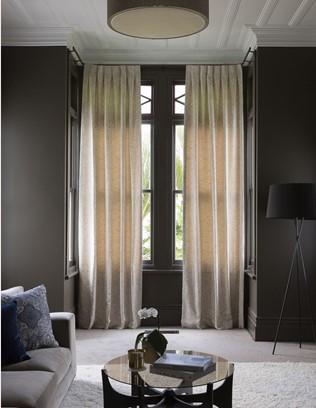
Plain interior fabrics take on a simple and paired back aesthetic. Ideal for a minimalist décor, you can complement plain fabrics with more textured and tactile textiles for added interest to your home décor.
PRINTED
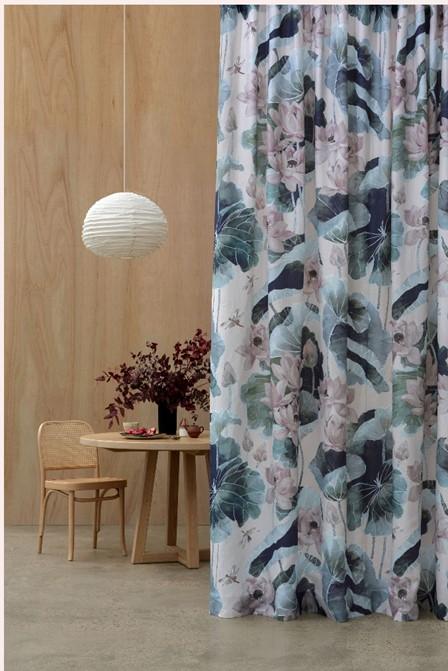
Printing is the process of applying coloured designs and patterns to a woven textile. One or more colours are applied to the fabric in specific parts only, using thickened dyes to prevent the colour from spreading beyond the limits of the pattern or design. In quality printed fabrics, the colour is bonded with the fibre so as to resist loss of dye from washing and friction (crocking). Printing is an ancient textile manufacturing technique of which there are five print production methods you can use:
Burn Out Printing:
A process which uses chemicals, rather than colour, to burn out or dissolve away one fibre in a fabric. The purpose is to achieve a sheer design on a solid or opaque fabric. The chemicals used during production can make this fabric sensitive to ultraviolet degradation when hung in direct sunlight.
Digital Printing:
Rapidly becoming a popular and commercially viable printing method due to its flexibility, precision and consistency. With this new printing technique it is now possible to print any design, even with photographic detail, onto fabric. There are no restrictions in the amount of colour that can be used.
Engraved Roller Printing:
The printing method used for the majority of fabrics worldwide. The colours are printed directly onto the fabric. There must be one roller for each colour used in the print. The more colours used, the better the print definition and depth of colour. The number of colours used is printed on the left hand selvedge of a fabric along with the brand.
Hand Block Printing:
The oldest form of printing. Print designs are created by transferring dyestuffs onto fabric with the help of wooden, linoleum, or copper blocks. Artisans hand craft individual blocks to carry each different colour in a design and perfectly match block placement to create the all-over design.
Keep reading: www.curtainclean.co.nz...

Poll: 🤖 What skills do you think give a CV the ultimate edge in a robot-filled workplace?
The Reserve Bank has shared some pretty blunt advice: there’s no such thing as a “safe” job anymore 🛟😑
Robots are stepping into repetitive roles in factories, plants and warehouses. AI is taking care of the admin tasks that once filled many mid-level office jobs.
We want to know: As the world evolves, what skills do you think give a CV the ultimate edge in a robot-filled workplace?
Want to read more? The Press has you covered!

-
53.3% Human-centred experience and communication
-
14.3% Critical thinking
-
29.5% Resilience and adaptability
-
2.9% Other - I will share below!
The latest product recalls
We are bringing you the latest list of recalled products from across the country. Make sure you aren't using these at home!
Click on the blue text to learn more about that particular product and why it was recalled.
Food and household item recalls:
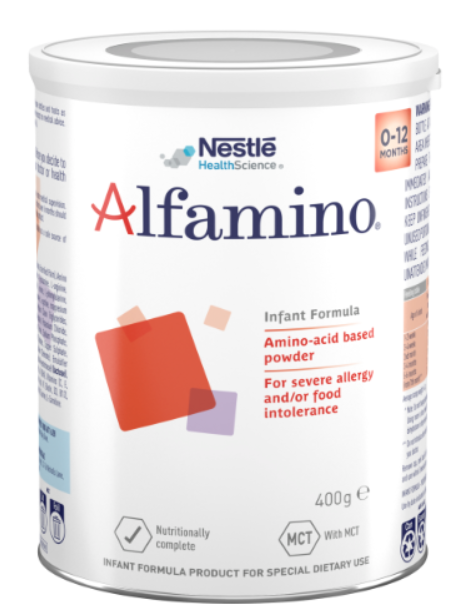
⚠️Cereulide toxin risk in Nestlé brand Alfamino Infant Formula (0-12 months) recalled due to the possible presence of the toxin cereulide
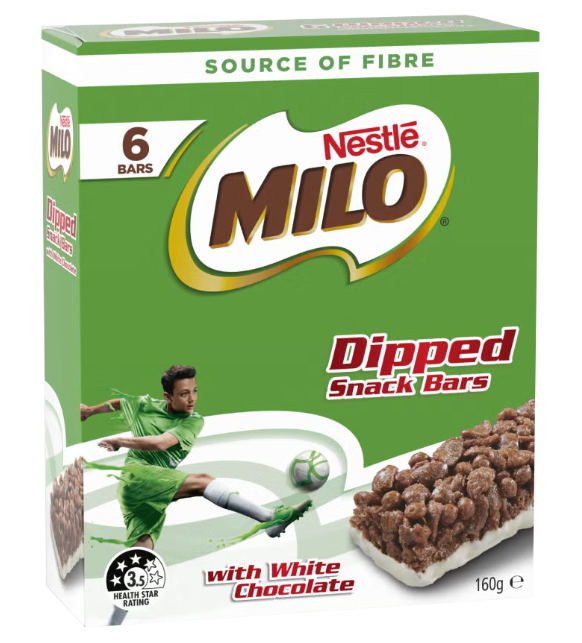
Nestlé Milo Dipped Snack Bars
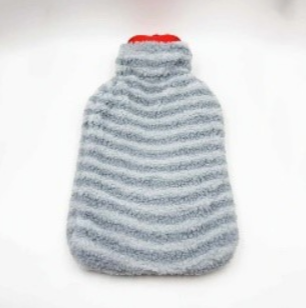
BC Hot Water Bottles sold at Bargain Chemist
Product Recalls: Infant care and clothing
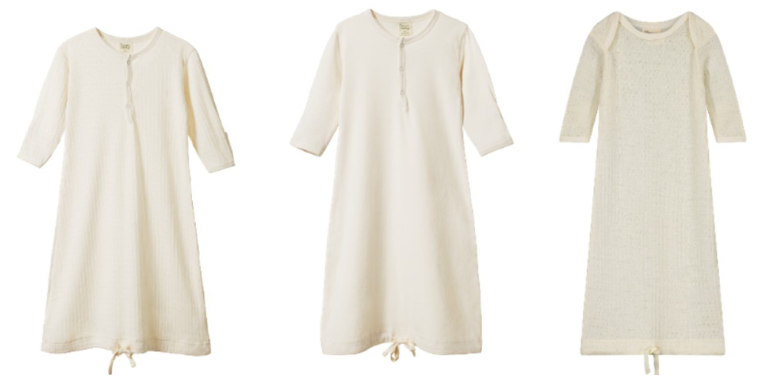
Nature Baby Sleeping Gown
Product Recalls: Toys
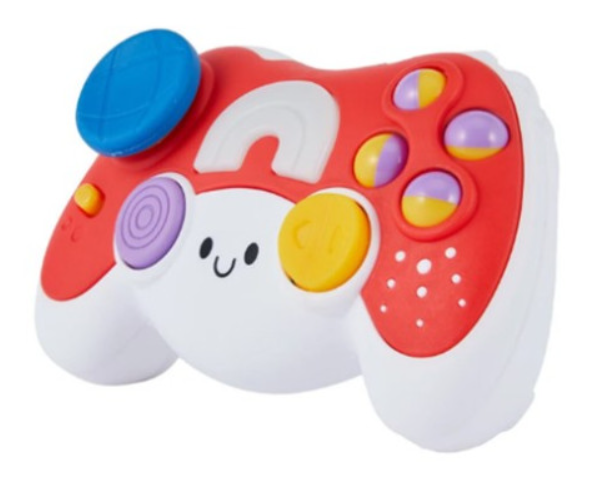
Sensory Game Controller - sold at Kmart
Product Recalls: Cosmetics
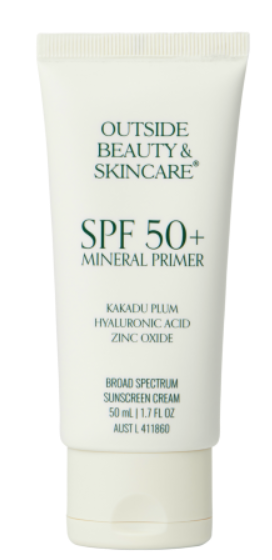
Outside Beauty & Skincare SPF 50+ Mineral Primer (2 batches)
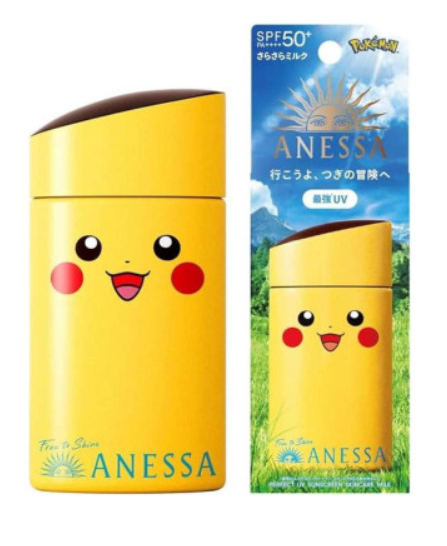
Anessa and Shiseido Anessa sunscreens sold only at Daikoku
Biore and Kao Biore sunscreens sold only at Daikoku
Kose Sunscreens sold only at Daikoku
Mentholatum sunscreens sold only at Daikoku
Pigeon sunscreens sold only at Daikoku
Rohto sunscreens sold only at Daikoku
Product Recalls: Electronics
Harvest Right Freeze Dryer HRFDSBKP-PP sold at Costco
Product Recalls: Other
Michelin X Multi Z and X Line Energy Z, size: 355/50R22.5, load/speed index:156K
UPDATED GASGAS Motorcycles: GASGAS Cross Country and Motocross model motorcycles with BRAKTEC brake system. New VINS added
Check the New Zealand Transport Agency's handy vehicle recall list here.
See past months' recalls. Stay safe, neighbours!

Brain Teaser of the Day 🧠✨ Can You Solve It? 🤔💬
Make a hearty dish. Take just half a minute. Add four parts of kestrel. Then just add one. What have you made?
(Trev from Silverdale kindly provided this head-scratcher ... thanks, Trev!)
Do you think you know the answer? Simply 'Like' this post and we'll post the answer in the comments below at 2pm on the day!
Want to stop seeing these in your newsfeed? No worries! Simply head here and click once on the Following button.
 Loading…