






Health workers needed in rural areas
By David Hill, Local Democracy Reporter
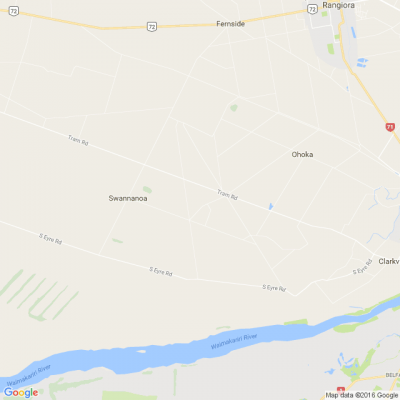
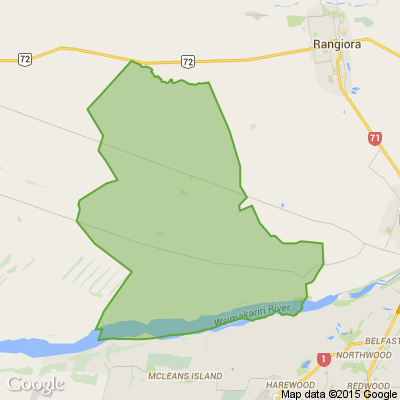
Recruiting medical professions into rural areas remains a challenge, says a North Canterbury mayor.
Health Minister Dr Shane Reti says Health New Zealand has made good progress in recruiting staff, but Hurunui mayor Marie Black says rural areas are missing out.
Training more health professionals is a priority in Budget 2024, with $22 million set aside for doctor training.
‘‘That will take us from an intake of 589 this year to an intake of 614 from next year,’’ Reti said.
‘‘We are also progressing a cost benefit analysis for a proposed third medical school through Waikato University, which will focus on primary and rural care.’’
While overseas-trained medical professionals make a valuable contribution, Reti said training young New Zealanders was more sustainable in the long term.
‘‘Health workforce shortages are a problem in every country around the world.
‘‘That is why it is so important we invest in training doctors and other health professionals here in New Zealand.’’
In the year to December 2023, Health NZ recruited more than 200 full-time equivalent senior doctors, 2500 nurses, nearly 100 midwives, and more than 230 scientific and technical staff.
There were still shortages in mental health, critical care and midwifery, Reti said.
While it was reassuring to know progress has been made in recruitment, Black said there was little evidence of it in ‘‘primary health provision in country areas’’.
The Hurunui district has been doing its bit to encourage health students to consider working in rural areas, she said.
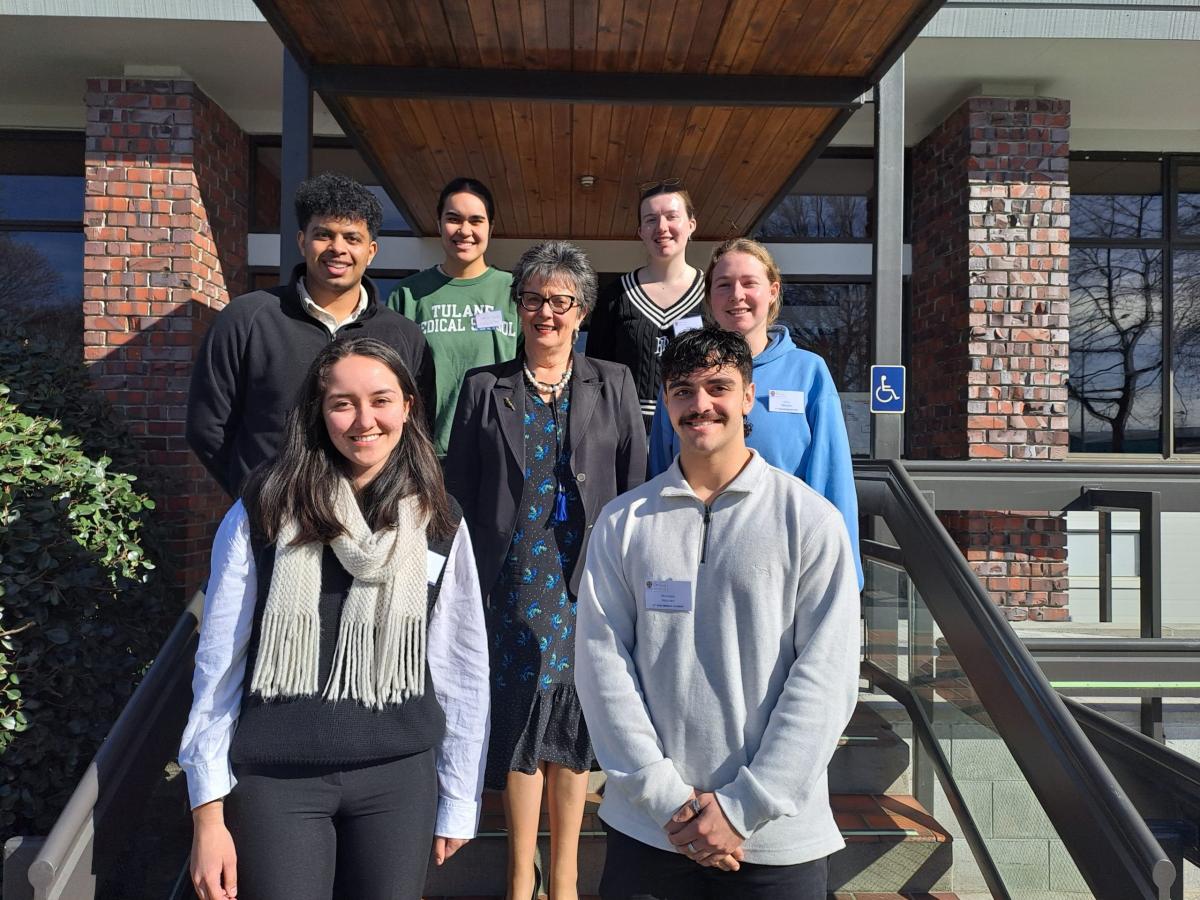
Third year Otago Medical School students have been visiting the district each August for several years.
The initiative has been running for 10 years, with the students visiting medical centres, St John, District Nurses, police, the North Canterbury Rural Support Trust and a local preschool.
‘‘If we can grow our own people that is the best solution,’’ Black said.
Waimakariri Mayor Dan Gordon said he was pleased the Government was addressing workforce shortages.
A new medical centre was being planned in Rangiora to offer urgent and after hours medical care, but it would need more medical professionals, he said.
‘‘I am pleased with the Government’s announcement that funding will be allocated to ensure we are training more doctors and health care professionals here in New Zealand.
‘‘This will help to alleviate doctor shortages particularly in the regions and rural communities.’’
The Kaikōura district faced similar challenges, and its over 65 population was expected to increase to one-third over the next 30 years.
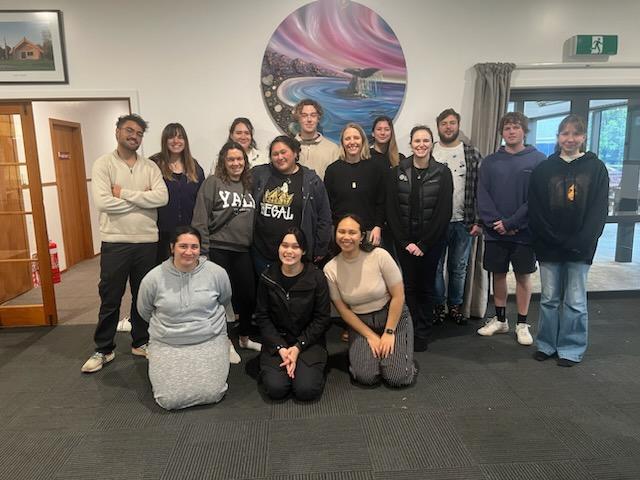
Takahanga Marae has hosted tertiary health students from around Aotearoa in recent years for a three-day Noho Marae visit.
The initiative was a partnership between Te Tai o Marokura, a Maori health and social service provider in Kaikōura, and Hauora Taiwhenua/Rural Health Network’s careers programme.
■ LDR is local body journalism co-funded by RNZ and NZ On Air.

Share your favourite main crop potato recipe and win a copy of our mag!
Love potatoes? We will give away free copies of the May 2026 issue to readers whose potato recipes are used in our magazine. To be in the running, make sure you email your family's favourite way to enjoy potatoes: mailbox@nzgardener.co.nz, by March 1, 2026.

Have you got New Zealand's best shed? Show us and win!
Once again, Resene and NZ Gardener are on the hunt for New Zealand’s best shed! Send in the photos and the stories behind your man caves, she sheds, clever upcycled spaces, potty potting sheds and colourful chicken coops. The Resene Shed of the Year 2026 winner receives $1000 Resene ColorShop voucher, a $908 large Vegepod Starter Pack and a one-year subscription to NZ Gardener. To enter, tell us in writing (no more than 500 words) why your garden shed is New Zealand’s best, and send up to five high-quality photos by email to mailbox@nzgardener.co.nz. Entries close February 23, 2026.


Poll: 🤖 What skills do you think give a CV the ultimate edge in a robot-filled workplace?
The Reserve Bank has shared some pretty blunt advice: there’s no such thing as a “safe” job anymore 🛟😑
Robots are stepping into repetitive roles in factories, plants and warehouses. AI is taking care of the admin tasks that once filled many mid-level office jobs.
We want to know: As the world evolves, what skills do you think give a CV the ultimate edge in a robot-filled workplace?
Want to read more? The Press has you covered!

-
52.6% Human-centred experience and communication
-
14.8% Critical thinking
-
29.9% Resilience and adaptability
-
2.7% Other - I will share below!
 Loading…