






Flood-prone Canterbury rivers in the spotlight
By David Hill, Local Democracy Reporter
Lessons learned from devastating floods in May 2021 are helping shape planning for Canterbury’s rivers.
Environment Canterbury (ECan) is proposing to invest $25 million a year, over the next 10 years, to boost flood protection as part of its draft 2024-34 long-term plan (LTP).
While flooding caused by Cyclone Gabrielle in Hawke's Bay last year attracted headlines, Canterbury has had its own damaging floods in recent years.
In 2019, the Rangitata River bridge was closed for several days following a flood, while the May 2021 flood caused widespread disruption, prompting a rethink of how ECan manages its river systems.
"A Cyclone Gabrielle event hasn’t happened, as far as we know, in Canterbury’s history, but one-in-200 year events seem to be happening more and more,’’ said councillor Ian Mackenzie, who chairs the council’s catchment resilience committee.
"Nobody is immune to being impacted by flood events."
The 2021 flood event showed the old river and drainage rating model was no longer fit for purpose, as rivers need to be looked at as a whole river system, he said.
To ensure the financial burden is spread across the region, the council is seeking to introduce a mix of district-wide and region-wide rating.
Without the council’s flood protection, land drainage and erosion control schemes, staff estimated there would be about "$9 billion per year of combined damages and lost earning potential would be felt".
Canterbury has about half of New Zealand’s river assets, with the regional council having oversight of 58 river schemes.
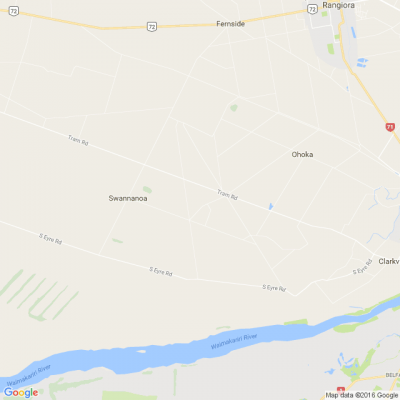
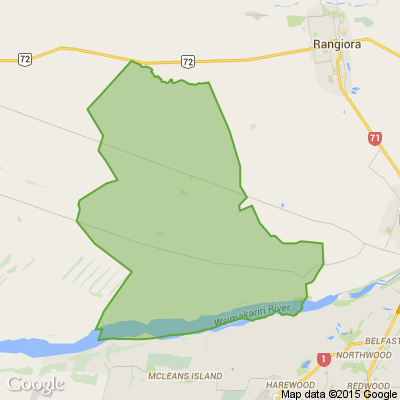
Flood protection work is urgently needed in the Waimakariri district, the council’s operations general manager, Leigh Griffiths, said.
Changes to the landscape caused by the growing urban environment and the 2010 and 2011 earthquakes meant "the level of flood protection is lower than would be expected", she said.
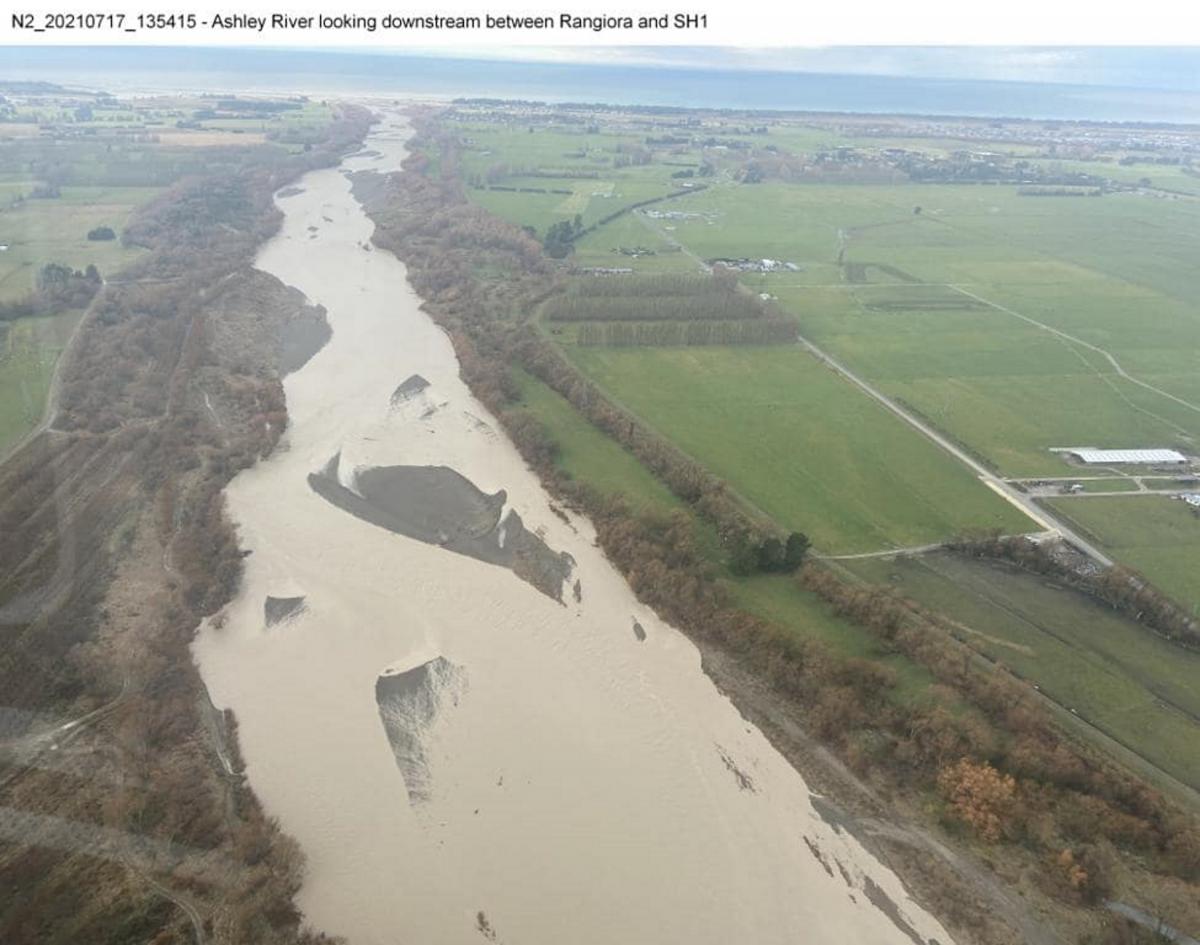
About $700,000 a year is spent on maintenance in the Ashley-Rakahuri River, with the council proposing to increase that to $800,000 per year and to initiate an eight-year, $15m upgrade programme as part of the LTP.
The work, for which the council will seek central Government funding, is likely to be similar to work planned in the Selwyn district.
Christchurch, Kaiapoi and part of the Selwyn district are protected by two levels of flood protection on the Waimakariri River, which has capacity for a one-in-500 year event.
It costs about $5m a year, with $1m coming from a targeted rate of $12 per ratepayer, per year.
The balance is funded by income from grazing and forestry on council-owned land between the stopbanks.
The capacity in some South Canterbury rivers means they "are expected to overtop their stopbanks" in a one-in-50 year flood event, while Ashburton is protected for a one-in-200 year event.
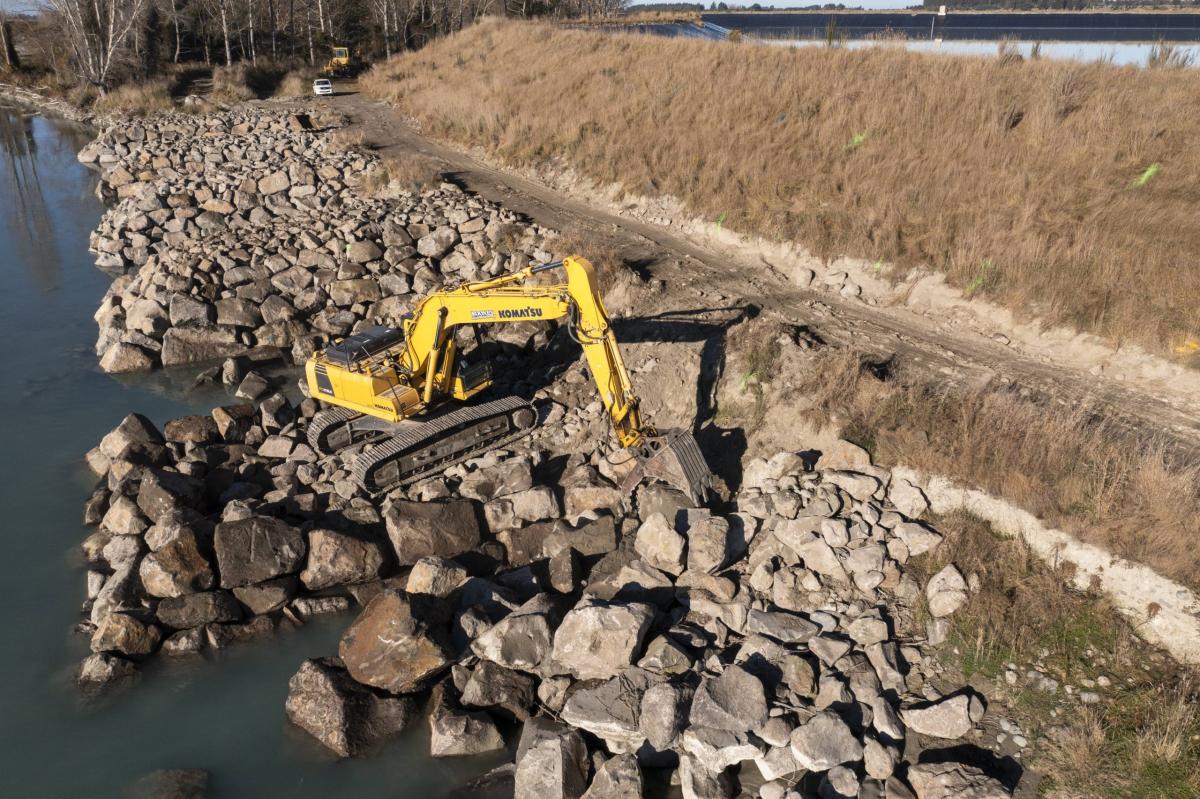
The proposed Selwyn district flood prevention work will be funded by a district-wide targeted rate and will include clearing out channels and flow paths, weed control and planting, and building resilience.
Exotic weeds, including poplars and willows, and loose shingle poses the biggest challenges, Mackenzie said.
"Bridges are more likely to survive if they’re not being treated as a battering ram [in a flood].
"Exotic weeds are one of the biggest problems.
"If we stopped doing what we do these exotic weeds would choke rivers and push them out to the berms."
■ LDR is local body journalism co-funded by RNZ and NZ On Air.

Some Choice News!
DOC is rolling out a new tool to help figure out what to tackle first when it comes to protecting our threatened species and the things putting them at risk.
Why does this matter? As Nikki Macdonald from The Post points out, we’re a country with around 4,400 threatened species. With limited time and funding, conservation has always meant making tough calls about what gets attention first.
For the first time, DOC has put real numbers around what it would take to do everything needed to properly safeguard our unique natural environment. The new BioInvest tool shows the scale of the challenge: 310,177 actions across 28,007 sites.
Now that we can see the full picture, it brings the big question into focus: how much do we, as Kiwis, truly value protecting nature — and what are we prepared to invest to make it happen?
We hope this brings a smile!


Poll: 🤖 What skills do you think give a CV the ultimate edge in a robot-filled workplace?
The Reserve Bank has shared some pretty blunt advice: there’s no such thing as a “safe” job anymore 🛟😑
Robots are stepping into repetitive roles in factories, plants and warehouses. AI is taking care of the admin tasks that once filled many mid-level office jobs.
We want to know: As the world evolves, what skills do you think give a CV the ultimate edge in a robot-filled workplace?
Want to read more? The Press has you covered!

-
52.6% Human-centred experience and communication
-
14.7% Critical thinking
-
29.9% Resilience and adaptability
-
2.7% Other - I will share below!

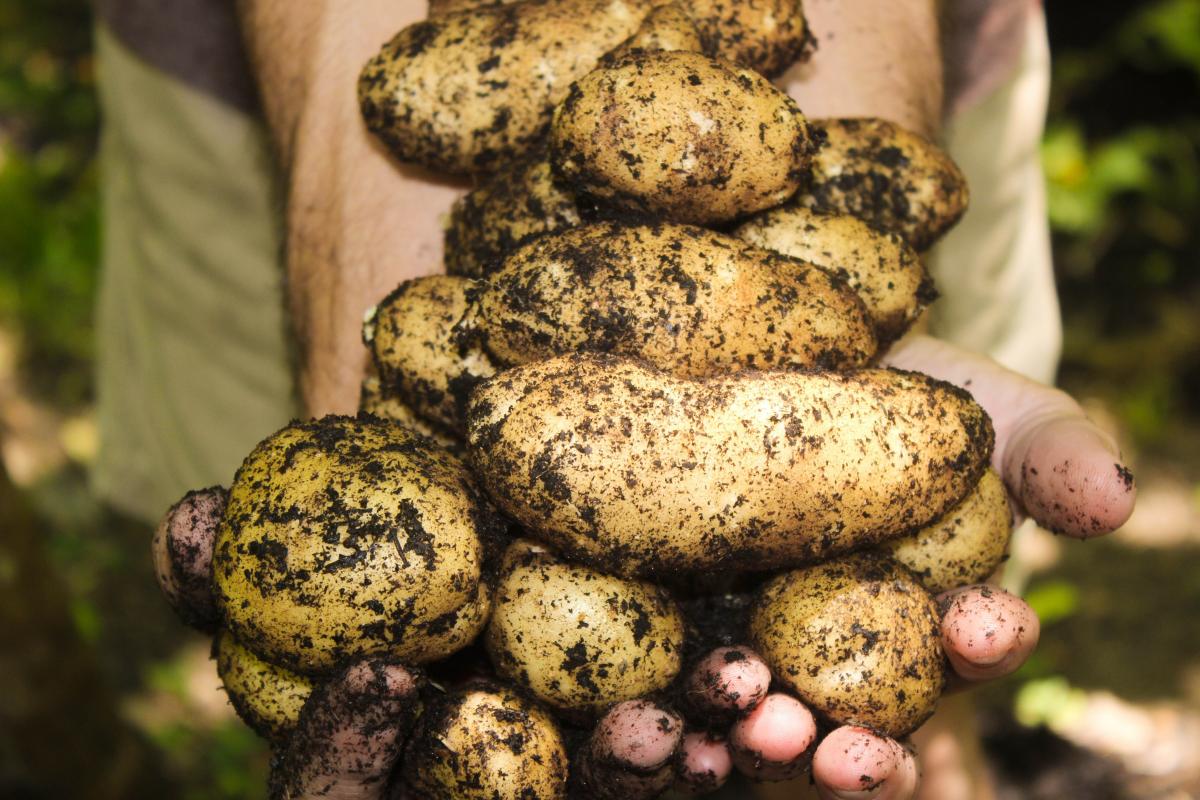
Share your favourite main crop potato recipe and win a copy of our mag!
Love potatoes? We will give away free copies of the May 2026 issue to readers whose potato recipes are used in our magazine. To be in the running, make sure you email your family's favourite way to enjoy potatoes: mailbox@nzgardener.co.nz, by March 1, 2026.
 Loading…