






Waimakariri council’s bid to create more affordable housing
By David Hill, Local Democracy Reporter
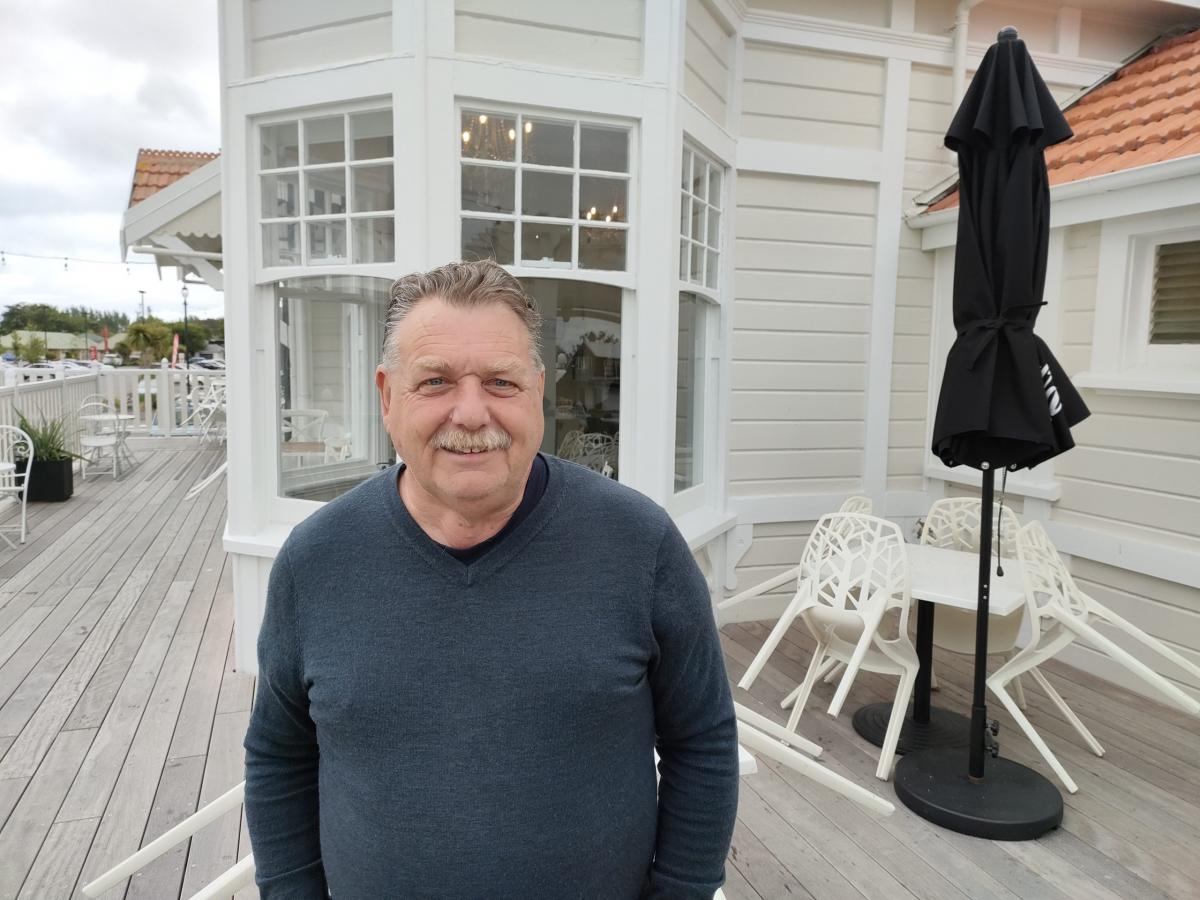
Councils need to work with the Government to help find solutions to the housing crisis, Waimakariri deputy mayor Neville Atkinson (pictured) says.
The Waimakariri District Council has backed a Greater Christchurch Partnership Housing Action Plan, which recommended eight immediate actions for councils to tackle the region’s housing shortage.
Atkinson said the plan encouraged councils to investigate a range of options including making council and Crown-owned land available as leasehold land for housing, and asking banks if they would offer loans for those developments.
‘‘We will be talking to the banks to see what they can do to support people on leasehold land.
‘‘We need to look at how does local government try to influence their decisions to make it easier for people to get into homes.
‘‘And how do we work with Government and local government and whether there is the possibility of releasing some Crown land for affordable housing.’’
Atkinson said the question of what is affordable housing also needed to be defined.
The councils wanted to explore what intensification of the housing market might look like and whether it was practical.
The Labour and National parties joined forces to pass the Resource Management (Enabling Housing Supply and Other Matters) Amendment Act in December 2021.
The legislation made medium density standards the default for large towns in high growth areas, such as Greater Christchurch.
But the National-led Government has indicated it will relax the legislation to offer more flexibility.
‘‘It is OK to say we are going to allow intensification from Kaitaia to Bluff, but there are many different things to think about along the way,’’ Atkinson said.
‘‘Every town is different and intensification on Colombo St looks a lot different from intensification on King St in Rangiora.’’
Other options included investigating ‘‘inclusionary zoning’’ to increase the supply of social and affordable rental housing.
Inclusionary zoning has been introduced in Queenstown and Waikato and is seen as ‘‘a game-changer’’.
The councils will also investigate what incentives could encourage the development of affordable housing, rebates for social housing (which are offered in Christchurch) and models like the Ōtautahi Community Housing Trust (Christchurch).
Atkinson said there has been enough talk and now is the time for action.
‘‘I want to see some changes instead of just yakking and I do believe this plan gives us the opportunity to do that.
‘‘And even within the partnership we can still be nimble to recognise the differences in each district.’’
The Greater Christchurch Partnership is a collaboration between the Christchurch City, Selwyn and Waimakariri District Councils,
Environment Canterbury, Te Rūnanga o Ngāi Tahu and Government agencies.
■ LDR is local body journalism co-funded by RNZ and NZ On Air.

Share your favourite main crop potato recipe and win a copy of our mag!
Love potatoes? We will give away free copies of the May 2026 issue to readers whose potato recipes are used in our magazine. To be in the running, make sure you email your family's favourite way to enjoy potatoes: mailbox@nzgardener.co.nz, by March 1, 2026.


Poll: 🤖 What skills do you think give a CV the ultimate edge in a robot-filled workplace?
The Reserve Bank has shared some pretty blunt advice: there’s no such thing as a “safe” job anymore 🛟😑
Robots are stepping into repetitive roles in factories, plants and warehouses. AI is taking care of the admin tasks that once filled many mid-level office jobs.
We want to know: As the world evolves, what skills do you think give a CV the ultimate edge in a robot-filled workplace?
Want to read more? The Press has you covered!

-
52.8% Human-centred experience and communication
-
14.8% Critical thinking
-
29.7% Resilience and adaptability
-
2.8% Other - I will share below!

Some Choice News!
DOC is rolling out a new tool to help figure out what to tackle first when it comes to protecting our threatened species and the things putting them at risk.
Why does this matter? As Nikki Macdonald from The Post points out, we’re a country with around 4,400 threatened species. With limited time and funding, conservation has always meant making tough calls about what gets attention first.
For the first time, DOC has put real numbers around what it would take to do everything needed to properly safeguard our unique natural environment. The new BioInvest tool shows the scale of the challenge: 310,177 actions across 28,007 sites.
Now that we can see the full picture, it brings the big question into focus: how much do we, as Kiwis, truly value protecting nature — and what are we prepared to invest to make it happen?
We hope this brings a smile!

 Loading…