





Waimakariri council’s bid to create more affordable housing
By David Hill, Local Democracy Reporter
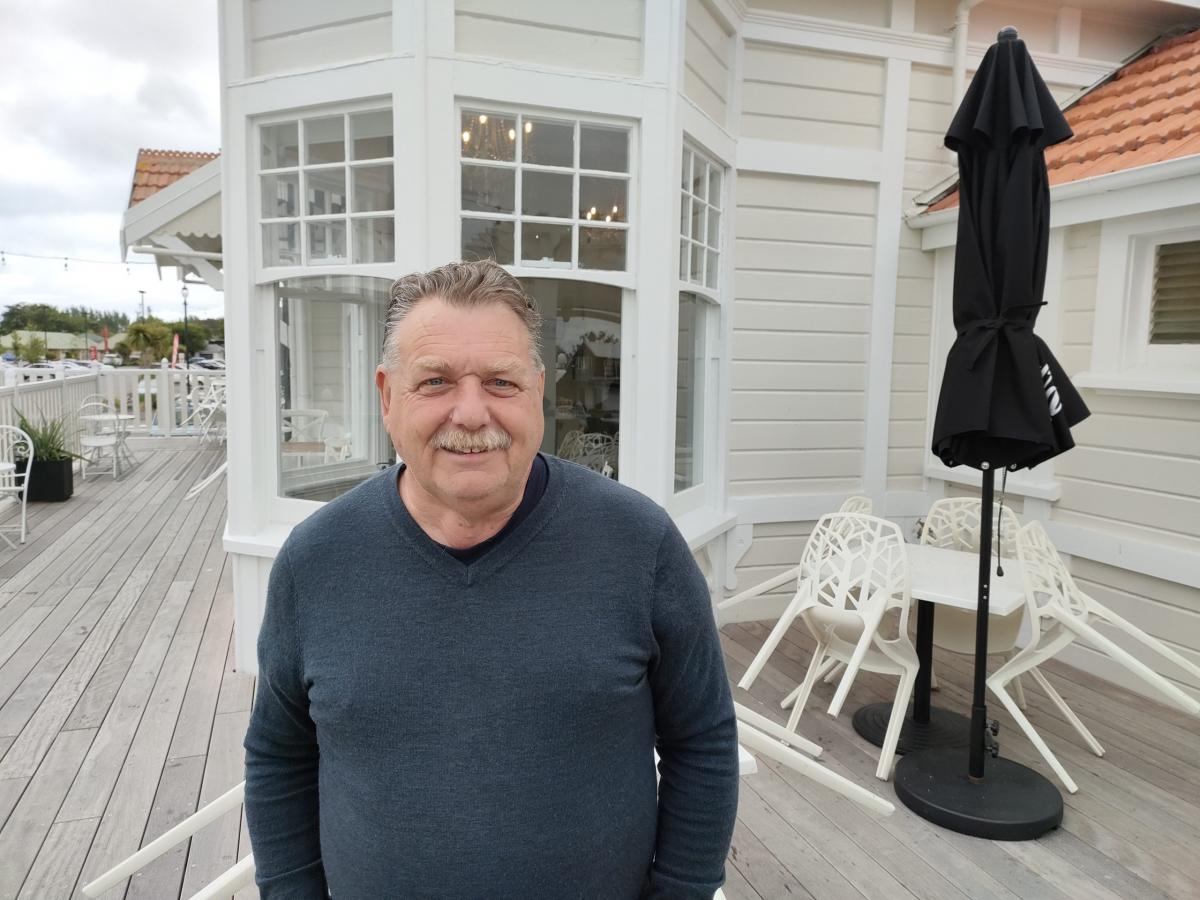
Councils need to work with the Government to help find solutions to the housing crisis, Waimakariri deputy mayor Neville Atkinson (pictured) says.
The Waimakariri District Council has backed a Greater Christchurch Partnership Housing Action Plan, which recommended eight immediate actions for councils to tackle the region’s housing shortage.
Atkinson said the plan encouraged councils to investigate a range of options including making council and Crown-owned land available as leasehold land for housing, and asking banks if they would offer loans for those developments.
‘‘We will be talking to the banks to see what they can do to support people on leasehold land.
‘‘We need to look at how does local government try to influence their decisions to make it easier for people to get into homes.
‘‘And how do we work with Government and local government and whether there is the possibility of releasing some Crown land for affordable housing.’’
Atkinson said the question of what is affordable housing also needed to be defined.
The councils wanted to explore what intensification of the housing market might look like and whether it was practical.
The Labour and National parties joined forces to pass the Resource Management (Enabling Housing Supply and Other Matters) Amendment Act in December 2021.
The legislation made medium density standards the default for large towns in high growth areas, such as Greater Christchurch.
But the National-led Government has indicated it will relax the legislation to offer more flexibility.
‘‘It is OK to say we are going to allow intensification from Kaitaia to Bluff, but there are many different things to think about along the way,’’ Atkinson said.
‘‘Every town is different and intensification on Colombo St looks a lot different from intensification on King St in Rangiora.’’
Other options included investigating ‘‘inclusionary zoning’’ to increase the supply of social and affordable rental housing.
Inclusionary zoning has been introduced in Queenstown and Waikato and is seen as ‘‘a game-changer’’.
The councils will also investigate what incentives could encourage the development of affordable housing, rebates for social housing (which are offered in Christchurch) and models like the Ōtautahi Community Housing Trust (Christchurch).
Atkinson said there has been enough talk and now is the time for action.
‘‘I want to see some changes instead of just yakking and I do believe this plan gives us the opportunity to do that.
‘‘And even within the partnership we can still be nimble to recognise the differences in each district.’’
The Greater Christchurch Partnership is a collaboration between the Christchurch City, Selwyn and Waimakariri District Councils,
Environment Canterbury, Te Rūnanga o Ngāi Tahu and Government agencies.
■ LDR is local body journalism co-funded by RNZ and NZ On Air.

Don't overthink this riddle...
I have a silver sole
but no feet,
I make my living by bringing the heat.
What am I?
Do you think you know the answer? Simply 'Like' this post if you know the answer and the big reveal will be posted in the comments at 2pm on the day!
Want to stop seeing these in your newsfeed?
Head here and hover on the Following button on the top right of the page (and it will show Unfollow) and then click it. If it is giving you the option to Follow, then you've successfully unfollowed the Riddles page.


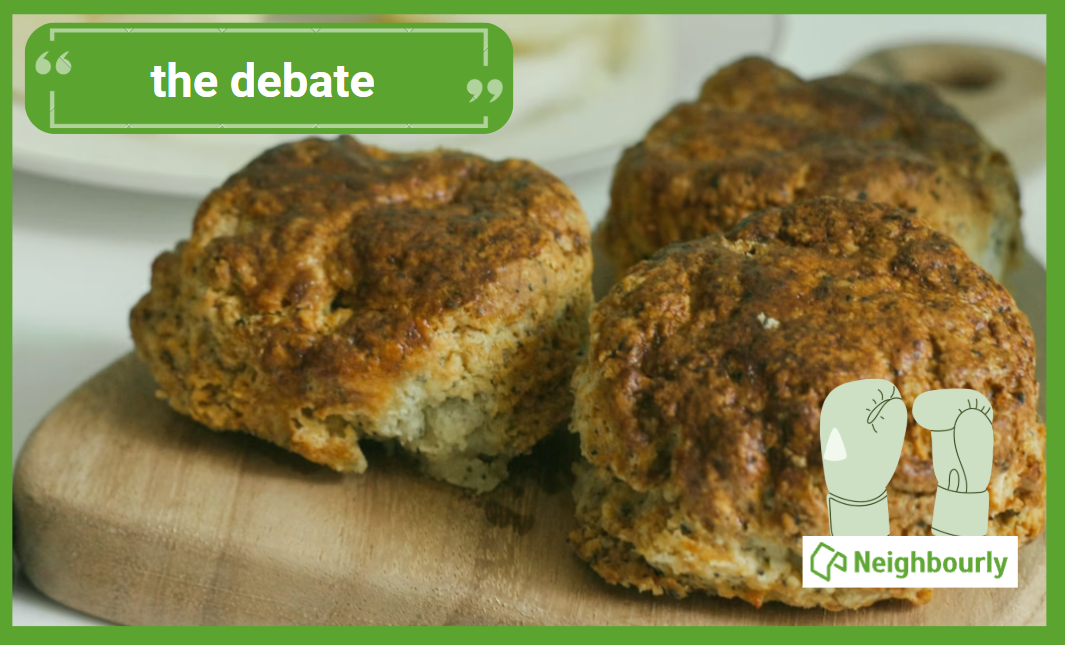
Poll: Does a savoury scone require cheese on top, or folded inside?
Help settle the great kiwi debate ... cheese on top, or folded inside?
-
76.5% Inside!
-
23.5% On top!

A reminder this hunting season
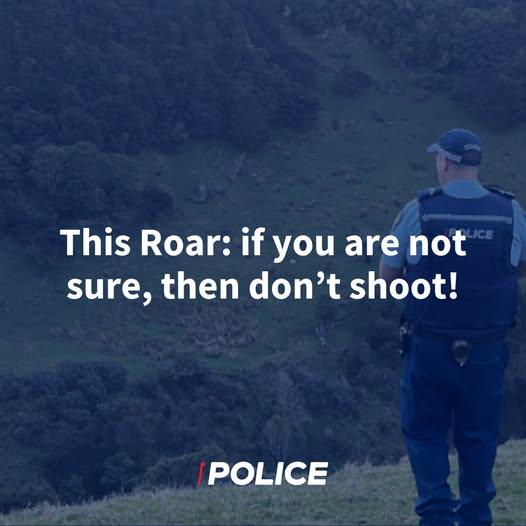
As thousands of hunters are making their plans for autumn – the Roar – recreational firearms groups are urging hunters to always be 100% sure of their targets.
Te Tari Pureke - Firearms Safety Authority NZ, which chairs the Recreational Firearms Users Group, has begun a public information campaign reminding hunters everywhere of Rule #4 of the Firearms Safety Code: to identify their target beyond all doubt.
Director Communities and Corporate, Mike McIlraith, says there is an estimated 50,000-60,000 New Zealanders involved in big game animal hunting each year, and the Roar is the key event for many hunters each year.
“The Roar is a fantastic time of year for hunters to get out into the hills after a trophy animal but hunting safely and making sure everyone gets home in one piece, still must be the most important goal of every trip,” says Mike McIlraith.
“The consequences of not fully identifying your target beyond all doubt can be catastrophic. Our message to hunters is a really simple one: If you are not sure, then don’t shoot.”
Mike McIlraith says while hunting fatalities are thankfully rare, research has shown that misidentification of the target is the largest firearms related risk to New Zealand deer hunters, and 80% of the time this involves members of the same hunting group.
The Authority says hunters should not feel pressured to take a shot: “Instead, hunters should take the time to analyse their target, wait and see if it is a hind or stag, how old is the animal, how many points does its antlers have? Identifying your target means never firing at sound, shape, colour or movement alone.”
Mike McIlraith says good hunters will slow down, and run through some simple mental checks:
- Can I see the whole animal, or could this be another hunter?
- Where are my hunting companions – could this be them or someone else?
- How much of the animal can you see, if it is a hind or stag, how old is the animal, how - many points does its antlers have?
“Taking a little extra time to identify your target and check the firing zone is the key to safer hunting. No meat or no trophy is better than no mate,” he says.
 Loading…