







An interior designer shares the top 5 golden rules for bedroom design
Bedrooms equal sleep. It follows that they should be a place of tranquility, somewhere to calm yourself after a day of sensory overload. Except it’s not always so cut and dried, particularly because many of us also use our bedroom as a refuge and place to be alone, a personal space in which to watch Netflix or even a study for an upcoming exam. So, follow your heart and create a bedroom that brings your dreams alive in the daytime as well as at night.
We would just say, pay attention to the mattress and the bed. Make sure they’re comfortable and, because they will undoubtedly be the focus of the room, choose your headboard and bedding with care. You will also need a degree of functionality about the room, so ensure that the wardrobe space is sufficient for your needs, that the curtains or blinds provide as much darkness as you need to sleep and that your lighting is suitably ambient but still good enough to allow you to read a book without eye strain.
1. Bedheads are essential
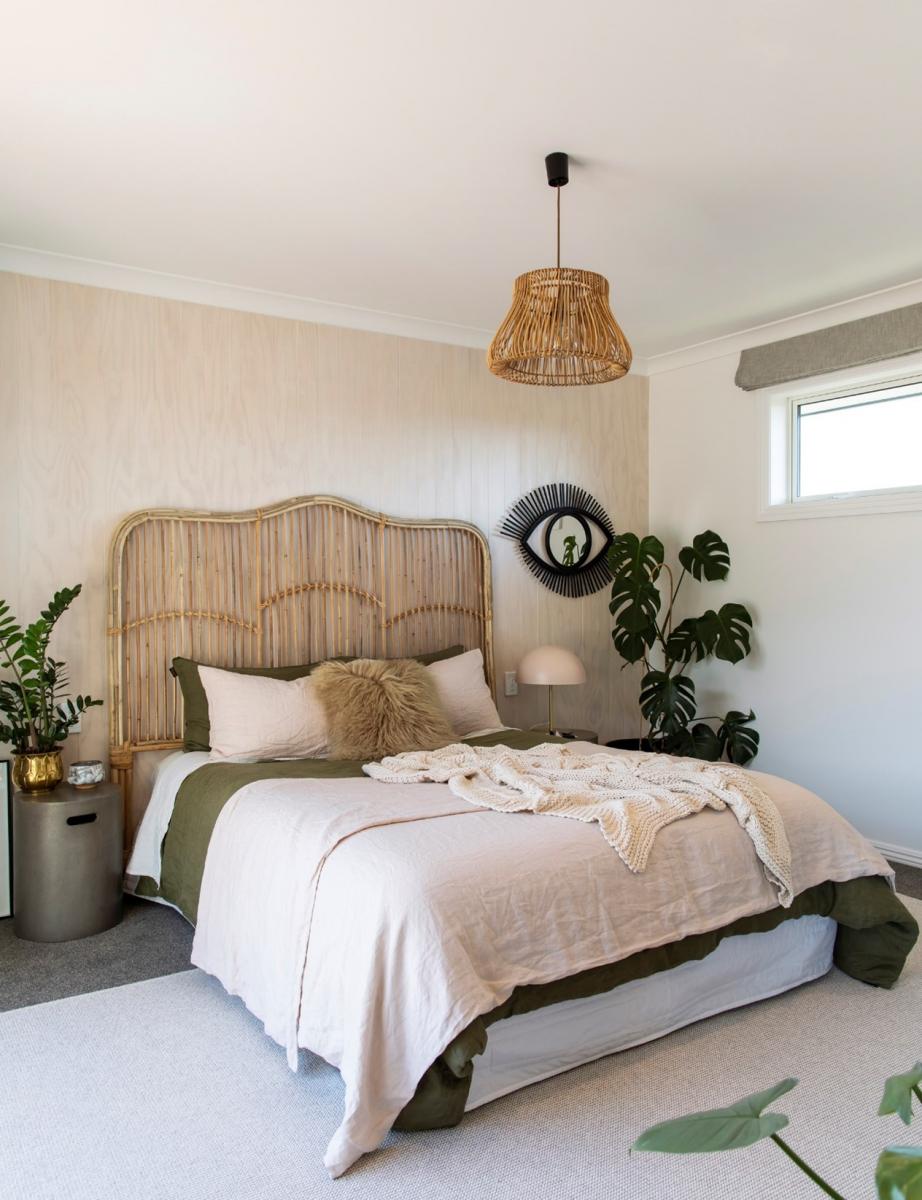
Whether you’re designing a child’s room or main bedroom, a feature bedhead is non-negotiable. It not only helps anchor the bed, but also makes the room feel complete. Think round, oblong, wall-to-wall, velvet, rattan, linen, custom-made timber – the options are endless. With lots of companies now making custom bedheads in New Zealand there are options to suit every room and taste. In a child’s room you can even use paint to create a bedhead – paint a shape on the wall behind the bed or paint the lower half of the room a different colour from the upper half.
2. Focus on lighting
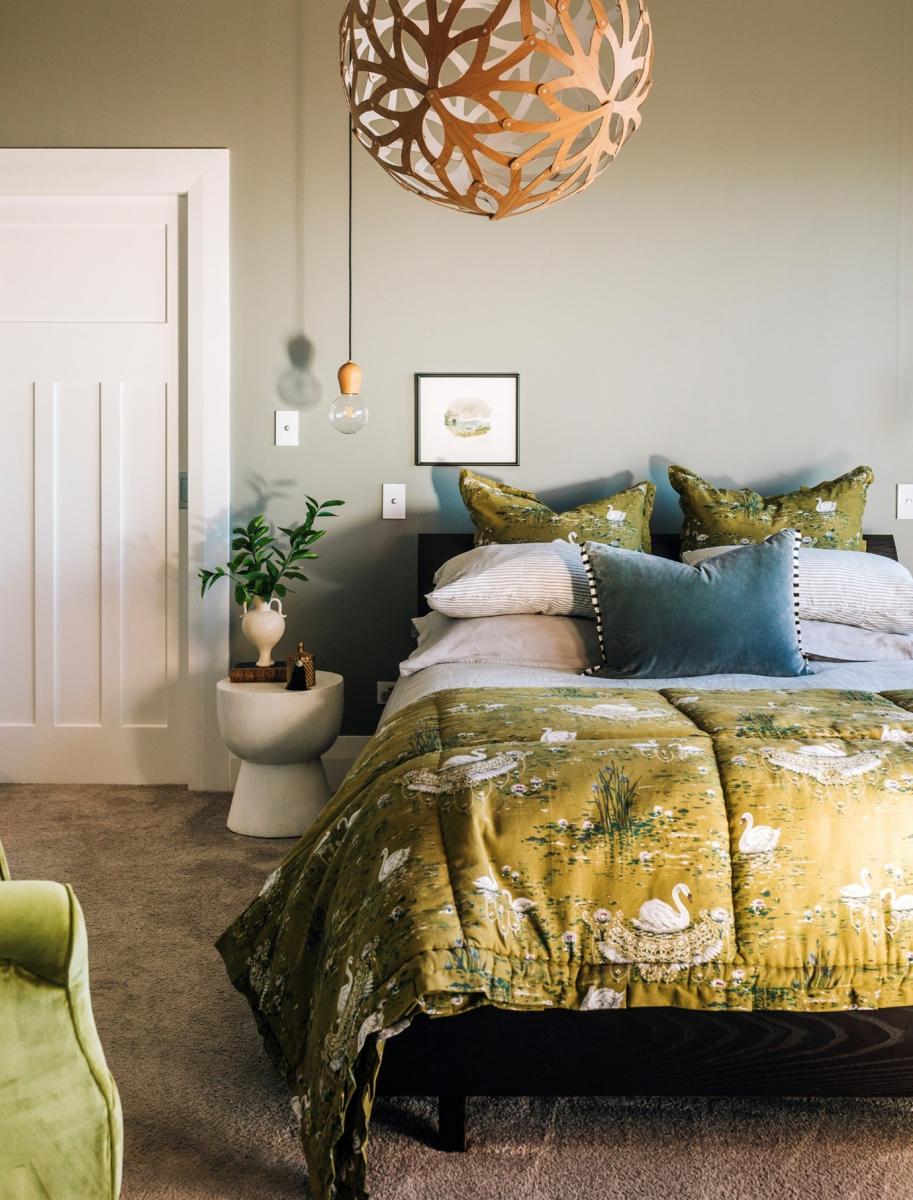
Lighting is one of the most important accessories in any home and an easy way to create the wow factor – think of it like jewellery for a room. In bedrooms, pendant lights are ideal if the ceilings are high enough. In the main bedroom a pendant should be positioned above the foot of the bed, in the centre, so it’s out of the way of the room’s open space. Bedside lights can be used to create ambience at night. If you’re renovating or building, consider hanging a pendant or positioning a wall light above each bedside table. The light switch should line up vertically with the lights and sit 700mm from the floor so it’s higher than all bedside tables. Power points should also align with the lights, sitting just above the skirting board.
3. Always consider proportion
For a bedroom to work you need to think about proportion. Balance is created when all aspects of a room are in proportion with one another, so if your bed looks too big or your bedside tables look too small, they probably are. When you’re laying out your room, check the size of the bed – draw it on the wall or floor if you can. If your child’s bedroom is big, don’t push the single bed right into the corner. Leaving even a small amount of space (200mm) between the bed and an adjacent wall will allow you to make the bed more easily, as well as helping the room look in proportion, as your eye can drop behind the bed rather than hitting the wall and running up.
Keep reading: www.curtainclean.co.nz...

Don't overthink this riddle...
I have a silver sole
but no feet,
I make my living by bringing the heat.
What am I?
Do you think you know the answer? Simply 'Like' this post if you know the answer and the big reveal will be posted in the comments at 2pm on the day!
Want to stop seeing these in your newsfeed?
Head here and hover on the Following button on the top right of the page (and it will show Unfollow) and then click it. If it is giving you the option to Follow, then you've successfully unfollowed the Riddles page.

Poll: Does a savoury scone require cheese on top, or folded inside?
Help settle the great kiwi debate ... cheese on top, or folded inside?

-
76.5% Inside!
-
23.5% On top!

Poll: How important is the ability to book a doctor’s appointment online?
Hi Neighbours
Here at The Doctors we would love to hear how you prefer to book your doctor’s appointments. With busy schedules, different people find different methods easier.
For some, online booking is very convenient, you can make an appointment anytime without needing to wait on the phone. Others still prefer calling the clinic and speaking to a real person, especially if they have specific questions about their visit.
Your feedback helps us understand what works best for our patients and how we can improve access to care.
-
37.2% I prefer booking online whenever possible
-
23.2% Online booking is helpful but not essential
-
36% I prefer calling the clinic
-
3.7% I didn’t know online booking was available
 Loading…