






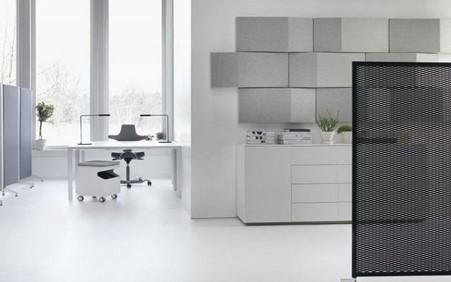
Sound Absorption for Comfortable Living
“That tiny crack that runs around your door transmits more sound than you would know”
Noise is a daily occurrence that we all endure to a certain degree from noisy kettles, screaming children, loud TVs and the deafening thud of a bass. There’s sometimes little peace in ones day. Ongoing excessive noise is not only aggravating it can actually be harmful to your ears and has a significant impact on the way our spaces work in the home.
When it comes to residential design, the acoustics, (the way in which the structural characteristics of a space relate to how well sound can be heard) although a key design feature, are rarely considered during the building process and sometimes only tackled during a renovation.
Soundwaves seep through doors, windows, ceilings and cracks, so how do you reduce unwanted sound from affecting your day to day activities?
Hard flat surfaces tend to bounce sound waves around, sometimes creating a lasting echo effect if the surfaces are parallel walls. The softer and less uniform the surface, the less opportunity sound has to bounce off. Textiles, including drapery and upholstered furniture and furnishings not only deliver a design aesthetic they also play a significant role in the absorption of sound.
However not all textiles have equal sound absorption qualities however. The level of sound absorption is dependent upon a textile’s weight, composition, and/or construction. Generally (due to the large vertical mass) drapery provides the main textile source of sound absorption however, there are several other ways to achieve this.
To decrease the level of sound in a room you need to dampen the sound waves. This can be achieved by adding surfaces that absorb the sound (or reverberation) so the sound doesn’t bounce from one thing to another.
Here are some sound absorbing ideas that you can implement fairly simply into your home:
- Acoustic panels/tiles: These come in a range of colours and fabric styles and can be designed into your interior decor. The purpose of acoustic panels is to reduce, but not entirely eliminate, resonance within the room.
- Drapery: Fabrics are an effective solution for managing sound. The more drapery folds, the more sound absorption. Hanging a curtain a small distance off the wall increases sound absorption and softening opposing walls reduces sound waves from travelling wall to wall
- Upholstered furniture: The fabrics on your upholstered furniture also help to reduce sound waves. The thicker the fabric and foam the better. Add cushions and other textiles throughout a space for ultimate sound absorption.
- Cork flooring: While it may not be fashionable of late, cork is one of the best materials for sound absorption. Made up of a honeycomb design of air-sealed cells made of the bark of the cork oak. The cells each absorb the vibrations of sound, preventing those sounds from passing through to the other side. Cork reduces sound and noise vibration by trapping it in its cell structure. It reduces the sound transmission of sound through walls and absorbs the impact of feet through the floor to the ceiling below.
- Concrete flooring: Surprisingly, lightweight porous concrete can be effective in absorbing sound (however it essentially transmits the sounds through to the next room too).
- Carpets, rugs and padding: If your floors are timber, tiles or linoleum on subfloor concrete, you may want to try rugs or carpet coupled with a sound-absorbing underlay or foam rubber backing.
- Floating hardwood: This type of flooring installation includes a gap between the subfloor and your actual floors, which effectively dampens sound.
- Fabric pendant lamps/floor lamps: Update your light shades with a textile shade, the thicker the better. Every textile in a space will help.
A combination of the techniques above, depending on your budget and skill level should help in the overall acoustics in your home. Below we have outlined a selection of fabrics from our range that offer great sound absorption qualities due to the high level of either wool content, thickness and/or construction.

Don't overthink this riddle...
I have a silver sole
but no feet,
I make my living by bringing the heat.
What am I?
Do you think you know the answer? Simply 'Like' this post if you know the answer and the big reveal will be posted in the comments at 2pm on the day!
Want to stop seeing these in your newsfeed?
Head here and hover on the Following button on the top right of the page (and it will show Unfollow) and then click it. If it is giving you the option to Follow, then you've successfully unfollowed the Riddles page.


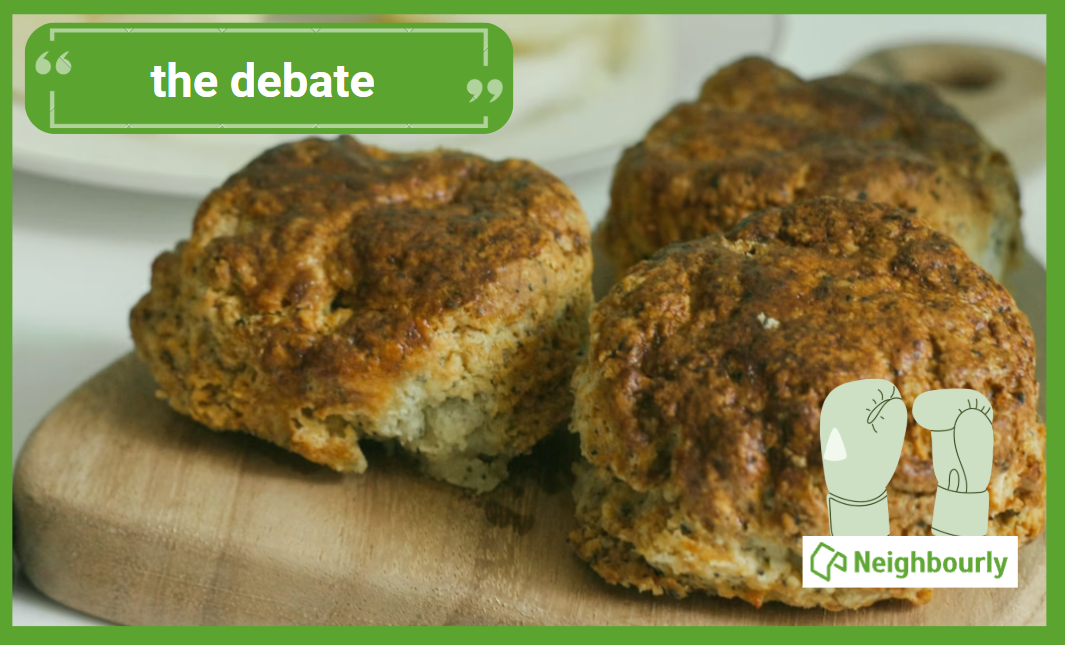
Poll: Does a savoury scone require cheese on top, or folded inside?
Help settle the great kiwi debate ... cheese on top, or folded inside?
-
76.4% Inside!
-
23.6% On top!
Got more greens than you know what to do with? 🥦🌱🥕
Whether it’s a courgette takeover or a feijoa frenzy, don’t let those garden gems go to waste!
Our suggestion to you: Did you know you can grate and freeze excess courgettes to use in chocolate cake later? It sounds a bit dodgy, but it makes the cake incredibly moist ... and hey, it counts as a serving of veg, right? 🍫
What’s your go-to move for a bumper harvest? Drop your best "glut" recipes or preservation hacks in the comments below! 👇

 Loading…