







Why Clothes Are So Hard to Recycle
Fast fashion is leading to a mountain of clothing being thrown away each year and has a huge impact on the environment, so can we turn our unwanted garments into something useful?
Open your wardrobe and be honest. How long was it since you last wore some of those clothes? Do you think it might be time for a clear out?
Languishing in the back of cupboards and bottom of drawers are outfits that don’t fit any more, items that have gone out of fashion, or even clothes that have never been worn. In fact, according to research conducted by sociologist Sophie Woodward at the University of Manchester, on average 12% of clothes in the wardrobes of women she studied could be considered “inactive”.
If you were brutal, you’ll probably manage to fill a bin-bag or two with clothes you no longer want or need. But what then?
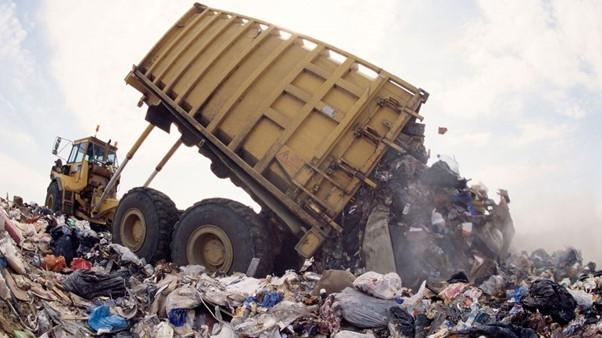
Around 85% of all textiles thrown away in the US – roughly 13 million tonnes in 2017 – are either dumped into landfill or burned. The average American has been estimated to throw away around 37kg of clothes every year. And globally, an estimated 92 million tonnes of textiles waste is created each year and the equivalent to a rubbish truck full of clothes ends up on landfill sites every second. By 2030, we are expected as a whole to be discarding more than 134 million tonnes of textiles a year.
Millions of tonnes of clothing, shoes and other textiles end up in landfill every year because very little is sent for recycling.
“The current fashion system uses high volumes of non-renewable resources, including petroleum, extracted to produce clothes that are often used only for a short period of time, after which the materials are largely lost to landfill or incineration,” says Chetna Prajapati, who studies ways of making sustainable textiles at Loughborough University in the UK.
“This system puts pressure on valuable resources such as water, pollutes the environment and degrades ecosystems in addition to creating societal impacts on a global scale.”
There are good reasons to seek out alternatives to chucking clothes in the bin – globally the fashion industry is responsible for 10% of all greenhouse gas emissions, with textile production alone is estimated to release 1.2 billion tonnes of greenhouse gases into the atmosphere every year. Vast amounts of water are also needed to produce the clothes we wear too and the fashion industry is responsible for 20% of global waste water. (Read more about the impact our fashion addiction has on the planet.)
At the same time we are buying more clothes than ever – the average consumer now buys 60% more clothing than they did 15 years ago. More than two tonnes of clothing are bought each minute in the UK, more than any other country in Europe. Globally, around 56 million tonnes of clothing are bought each year, and this is expected to rise to 93 million tonnes by 2030 and 160 million tonnes by 2050.
Globally just 12% of the material used for clothing ends up being recycled.
Keep reading: www.curtainclean.co.nz...

Poll: How important is the ability to book a doctor’s appointment online?
Hi Neighbours
Here at The Doctors we would love to hear how you prefer to book your doctor’s appointments. With busy schedules, different people find different methods easier.
For some, online booking is very convenient, you can make an appointment anytime without needing to wait on the phone. Others still prefer calling the clinic and speaking to a real person, especially if they have specific questions about their visit.
Your feedback helps us understand what works best for our patients and how we can improve access to care.

-
37.8% I prefer booking online whenever possible
-
21.4% Online booking is helpful but not essential
-
36.7% I prefer calling the clinic
-
4.1% I didn’t know online booking was available

Poll: Should we ditch daylight saving? 🕰️
First introduced in New Zealand in 1927 with the passing of the Summer Time Act, it's what we know as 'Daylight Saving' and this year it ends on the first Sunday in April.
While we do get to sleep in this time around, some people would like to scrap the clock tinkering for good.
And why? Some evidence suggests the time changes are bad for our health as they mess with sleep patterns leading to short-term fatigue and affecting mood. Meanwhile the hour change is frustrating for farmers and a nightmare for getting the littlies to sleep. But what's your take?

-
36.1% Yes - get rid of the clock changes
-
63.2% No, I enjoy it
-
0.6% Other - I'll share below
Poll: Does a savoury scone require cheese on top, or folded inside?
Help settle the great kiwi debate ... cheese on top, or folded inside?

-
76.3% Inside!
-
23.7% On top!
 Loading…