





Porirua scrub fire
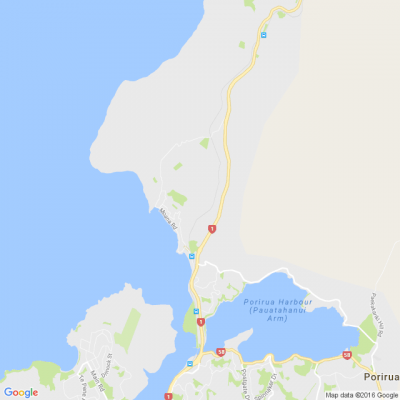
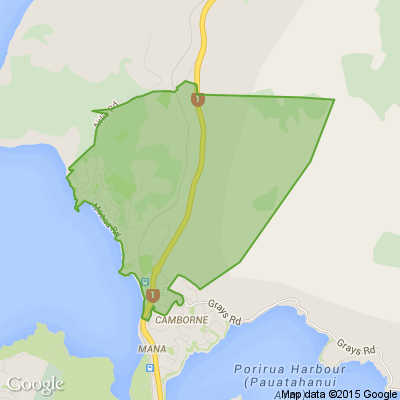
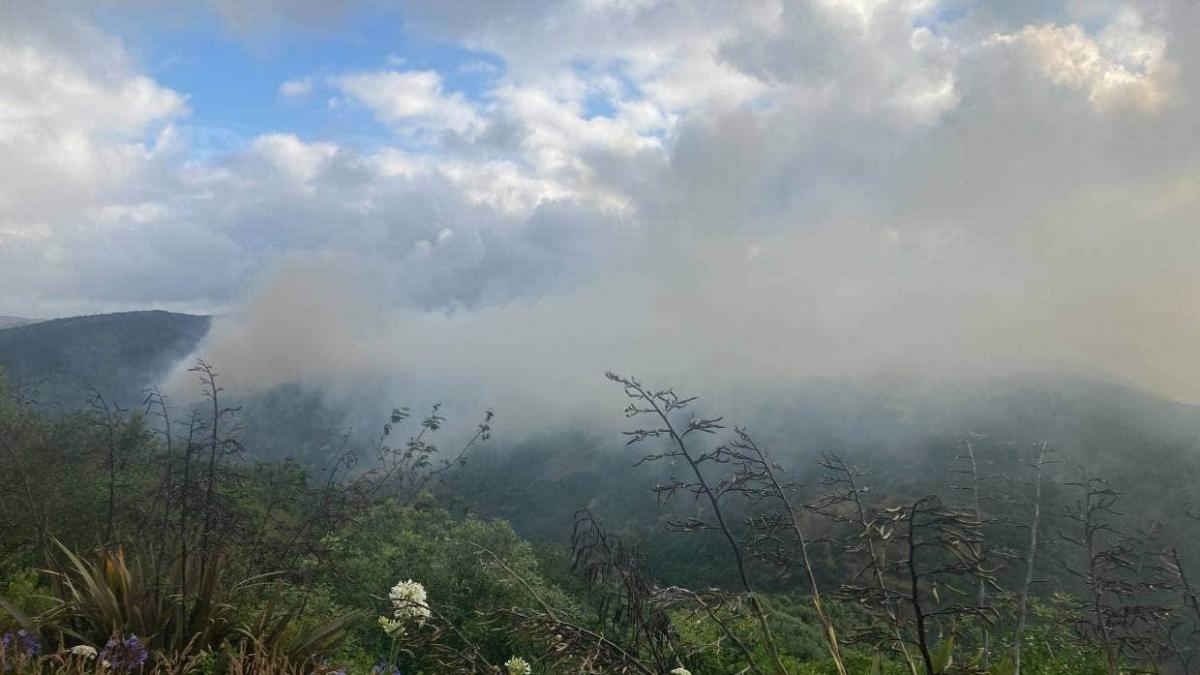
Fire crews continue to fight a scrub fire in the Porirua seaside area of Titahi Bay this morning (Friday) which began late on Thursday night and northerly winds pushed a veil of smoke from the blaze over Wellington’s northern suburbs. Smoke was also reported in the Hutt Valley and the Wellington coastal suburb of Miramar.
What you need to know:
- Fenz was alerted to the blaze at 11.04pm on Thursday, and the first crews arrived by about 11.10pm.
- About 7.15am Friday, Fire and Emergency NZ said eight crews were still working to bring the vegetation fire under control. Helicopters with monsoon buckets would also be working on Friday morning.
- The fire was burning over about 10ha in Whitireia Park, and people were asked to stay away from the area. No homes were at risk, Fenz said.
- Residents in Wellington’s northern suburbs woke to the sight of a red glow in the sky and the smell of smoke in the air.
- Commuters travelling into Wellington city from the north were also driving through heavy smoke over the motorway in the central Porirua area.
- Fenz said smoke was affecting a large part of Porirua, and the National Public Health Service had advised that people in an area where there was smoke should go inside, close the windows and doors and turn off air conditioning units. Anyone who had been exposed to the smoke and was feeling unwell should contact Healthline (0800 611 116) or ring their doctor for advice.
Beware of inhaling smoke:
People should avoid exposure to smoke if possible.
Smoke may irritate the eyes, nose, throat, and airways. Symptoms could include watery or sore eyes, dry or sore throat, sore nose, cough, tightness of the chest or difficulty breathing. In healthy people, most symptoms disappeared soon after exposure to smoke ended and did not cause long-term health problems. Smokers, the elderly, children, and those with heart disease, asthma or other lung disease were at the greatest risk of harm from smoke inhalation.
Poll: Should we ditch daylight saving? 🕰️
First introduced in New Zealand in 1927 with the passing of the Summer Time Act, it's what we know as 'Daylight Saving' and this year it ends on the first Sunday in April.
While we do get to sleep in this time around, some people would like to scrap the clock tinkering for good.
And why? Some evidence suggests the time changes are bad for our health as they mess with sleep patterns leading to short-term fatigue and affecting mood. Meanwhile the hour change is frustrating for farmers and a nightmare for getting the littlies to sleep. But what's your take?

-
39.7% Yes - get rid of the clock changes
-
58.5% No, I enjoy it
-
1.8% Other - I'll share below

Alan and Hazel Kerr share Senior New Zealander of the Year Award 2026
Dr Alan and Hazel Kerr describe themselves as ‘just ordinary old Kiwis’, despite being named as the 2026 Ryman Healthcare Senior New Zealanders of the Year Te Mātāpuputu o te Tau.
The amazing couple prompted a standing ovation at a star-studded Auckland event which recognised their tireless efforts, with Alan travelling to and from Gaza and the West Bank 40 times to help children over 20 years, and Hazel travelling 20 times.
Click read more to find out more.

We're taking the bus!
The number of Wellingtonians taking the bus and train rose by 3% last week compared to the same time last year, according to Metlink.
Not surprising given petrol prices at the moment. But if you're considering giving up your car commute for a leisurely bus ride in the mornings, it would be worth it.
It's about to get even easier: In April, e-pay will be launched, meaning you can tap on with your credit cards as well as smart devices.
It's better on the environment too: With most Metlink trains running on electricity, 25% of the bus fleet being EV’s and the Ika Rere electric ferry, Metlink is able to move more people using less fuel than any other transport option.
With fuel costs so high, it's a good idea to jump on board if you can. If you've become a public transport convert recently, how have you found it?

 Loading…