






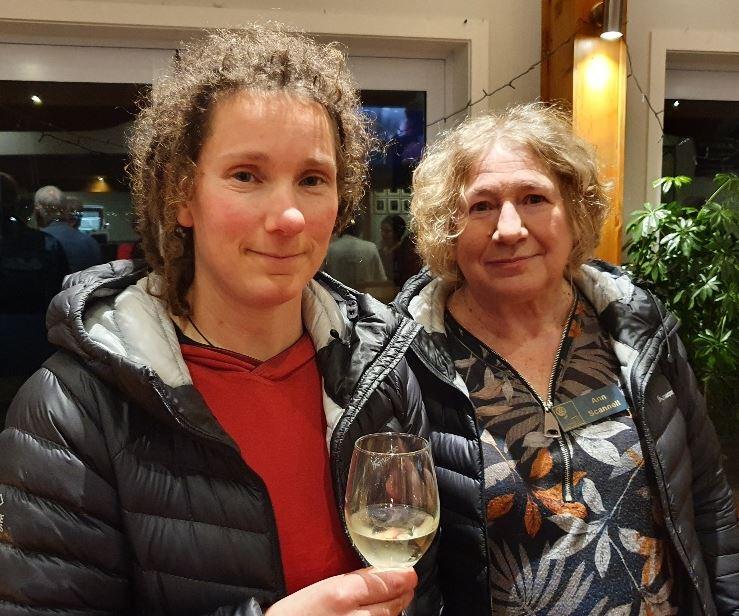
Bex Jackson introduced Plimmerton Rotary to Bats
Bex Jackson is the daughter of club member Ann Scannell, and a field worker with DoC in Te Anau, where she has lived for some time. She has Bachelor’s and Master’s degrees in zoology and conservation.
Among other things, Bex is involved with a project studying New Zealand’s native bats. She gave us a well-illustrated account of the work, which is centred on Eglinton, in Fjordland.
In New Zealand, bats are geographically widespread but rather rare, and inconspicuous. There are two species, long and short tailed, and their behaviour is quite different.
The long-tailed bat is more common, it lives in small colonies, weighs 10 grams, and moves around a lot. It can live in urban areas and can be seen at dusk in Hamilton. It catches insects on the wing.
The short-tailed bat is heavier at 15 grams, it lives in large colonies, and can occupy the same roost for weeks at a time. This one, unusually, can walk about on the forest floor to catch insects as well as catching them in flight.
Both types can live for as long as 15 or 20 years.
Colonies of bats can be found by analysing recordings of kiwis in the wild; as well as the ultrasonic echolocation noises they make, they also squeak rather like mice.
Bats are under threat, from habitat loss and predation by rats, stoats, and moreporks.
In the Eglinton study, RFID chips weighing about one gram are attached to the bats and their movements are monitored. The primary aim is to check female survival rates, which are key to population survival. In the last 15 years over 3500 bats have been tagged, and the colony is doing well.
Bex reminded us that bats are protected, and our NZ species don’t have diseases that humans can catch.
Bex also thinks that bats are not ugly, although not all of her audience agreed.


🌉🛶 Early Birds Might Crack This One First… or Not? 🥚🧠
A person is crossing a bridge and sees a boat full of people, yet there isn't a single person on board.
How is this possible?
(Susan from Massey kindly provided this head-scratcher ... thanks, Susan!)
Do you think you know the answer? Simply 'Like' this post if you know the answer and the big reveal will be posted in the comments at 2pm on the day!
Want to stop seeing these in your newsfeed?
Head here and hover on the Following button on the top right of the page (and it will show Unfollow) and then click it. If it is giving you the option to Follow, then you've successfully unfollowed the Riddles page.

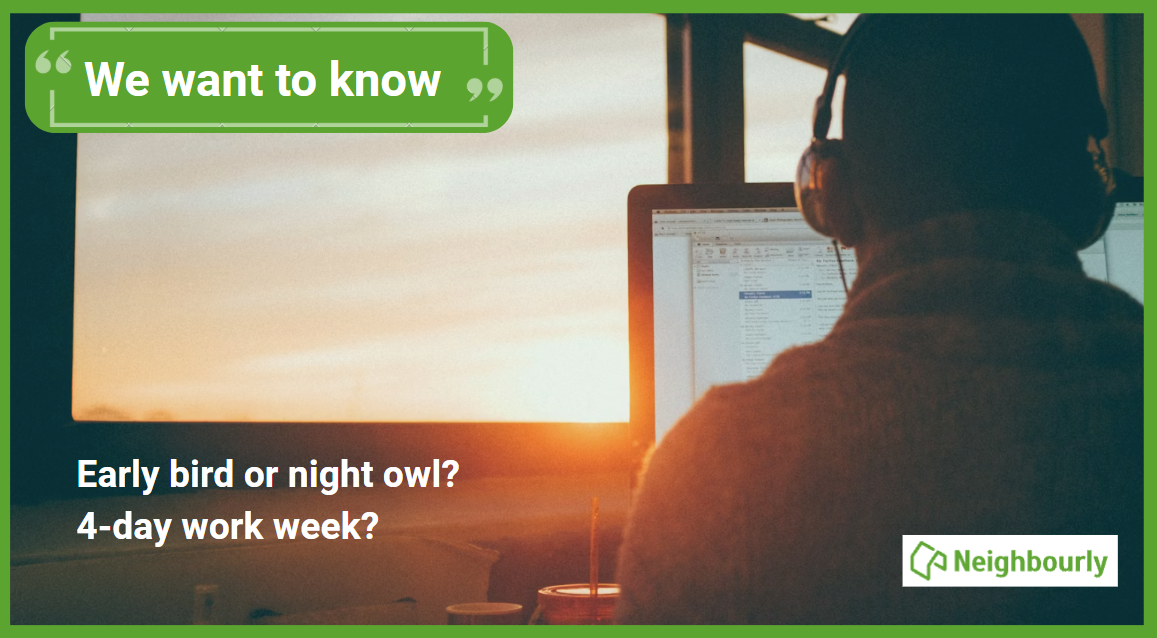
🪱🐦 When are you the most productive? 🌙🦉
The Post has been diving into our daily habits, and research suggests being an early bird or a night owl isn’t just a choice—it’s biology! We all have that specific time when our brains finally "click" into gear.
This raises a big question for the modern workplace. To get the best out of everyone, should employers accommodate our natural body clocks? This idea is at the heart of the four-day work week and flexible scheduling movements.
We want to hear from you:
1. When does your brain "click" into gear?
2. Would a flexible (or shortened) schedule change the way you work?
Scam Alert: Bank cold calls
ASB is warning customers about reports of cold calls from scammers claiming to be from ASB. These scammers are trying to obtain personal information, including usernames, dates of birth, and verification codes sent to your mobile phone.
🛡️ The "Caller Check" Test
If you get a call from someone claiming to be from ASB and you’re unsure, just ask them for a Caller Check. You will then be able to verify the call through the app.
Remember, banks will:
❌ Never ask for your banking passwords, PINs, or verification codes
❌ Never need to know your full credit card number – especially the CVC
❌ Never ask you to download software or remotely access your device
❌ Never ask you to purchase gift cards or transfer funds.
If you have received a phone call and think your account has been compromised, call ASB on 0800 ASB FRAUD (0800 272 372), or visit your local branch.
 Loading…