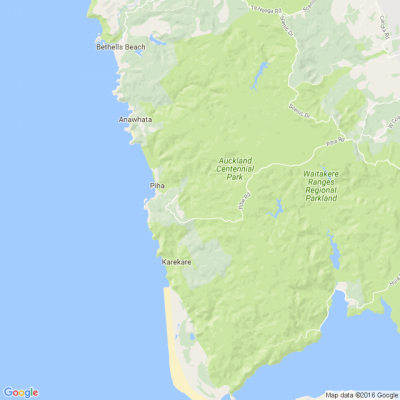







Kauri health survey Waitākere Ranges
A new kauri monitoring programme has been launched in the Waitakere Ranges.
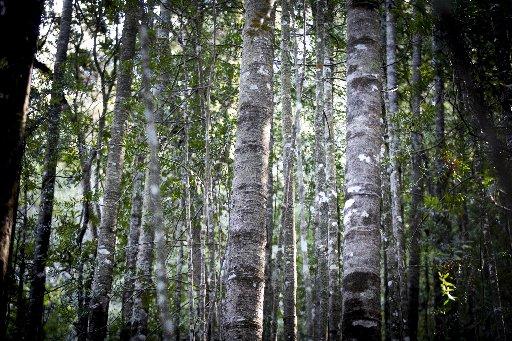
Auckland Council workers are surveying healthy trees as part of their study into kauri dieback disease.
They are investigating the impacts of the disease on individual trees and the wider kauri population.
Auckland Council kauri dieback team manager Lisa Tolich said new remote sensing technology had given the council a good estimate of how many kauri trees spanned the ranges.
The team had drawn a sample of trees to survey.
“We are giving 3500 kauri in the Waitākere Ranges a full health check and will continue monitoring these specific trees for years to come,” Tolich said.
“The trees have been randomly selected from the overall population so field teams don’t know going in whether they’ll be assessing healthy or diseased trees.
“This is important because it means we can build a picture of what’s happening across the entire population – not just the areas where we know the pathogen is already present.”
Data collected will identify risks to tree health associated with the locations, environment and other factors such as changing climate.
Survey findings will help the council assess how well precautionary measures are working and if any adjustments are needed.
Funding for the monitoring programme comes from the Natural Environment Targeted Rate at an expected cost of between $650,000 and $700,000.
This includes the design and delivery of the Waitākere Ranges Surveillance programme between 2020-2022.
Environment and Climate Change Committee chair Richard Hills said the investment was another step towards helping protect and preserve kauri forests.
“Kauri dieback disease is unfortunately not going away and the more we can find out about the disease, through robust processes like our surveillance and monitoring programmes, the better placed we are to protect our native taonga now and for generations to come.”

Poll: Should we ditch daylight saving? 🕰️
First introduced in New Zealand in 1927 with the passing of the Summer Time Act, it's what we know as 'Daylight Saving' and this year it ends on the first Sunday in April.
While we do get to sleep in this time around, some people would like to scrap the clock tinkering for good.
And why? Some evidence suggests the time changes are bad for our health as they mess with sleep patterns leading to short-term fatigue and affecting mood. Meanwhile the hour change is frustrating for farmers and a nightmare for getting the littlies to sleep. But what's your take?

-
40.8% Yes - get rid of the clock changes
-
57.4% No, I enjoy it
-
1.8% Other - I'll share below

Don't overthink this riddle...
I have a silver sole
but no feet,
I make my living by bringing the heat.
What am I?
Do you think you know the answer? Simply 'Like' this post if you know the answer and the big reveal will be posted in the comments at 2pm on the day!
Want to stop seeing these in your newsfeed?
Head here and hover on the Following button on the top right of the page (and it will show Unfollow) and then click it. If it is giving you the option to Follow, then you've successfully unfollowed the Riddles page.


Sunday Market at St Johns – Come Say Hi!
Hi Neighbours !!!!
If you’re looking for an easy, feel-good way to start your Sunday, pop down to the St Johns Market it’s on every week and always worth a visit
Expect plenty to enjoy:
Delicious Food and Drink
Seasonal fruit & veg from local growers
Handmade goodies & crafts
Clothes, toys
It’s a laid-back, welcoming spot to catch up with neighbours, support local, and soak up the community vibe.
Stay connected & get updates:
Facebook
info.sjmarket@gmail.com
0274 671 446
Bring the kids, bring the dog, or just bring yourself and make a morning of it hope to see you there!
7 Allison Ferguson Drive, Auckland Netball Courts

 Loading…