






Kāpiti's rubbish dumps may open next week
The Otaihanga and Ōtaki transfer stations will likely re-open under alert level 3, the Kāpiti mayor says.
In a press release issued on Monday, Mayor K Gurunathan said while the alert level is being reduced from 11.59pm on April 27, significant restrictions will remain in place.
“...the district’s public libraries, pools, playgrounds and community venues will remain closed."
A decision had yet to be made on the rubbish dumps but they would likely open.
“There’s a lot of detail to be worked through and the operators of these facilities need to be satisfied that they can operate safely and effectively under the government’s Covid-19 guidelines.
“We’ll be updating the Covid-19 page on our Council’s website once we have more clarity on the situation and will do our best to communicate any changes."
The Council’s virtual emergency operations centre and welfare support helpline will continue to operate remotely during Alert Level 3 and it's unknown as yet when they'll close.
If you need urgent support to access essential supplies call the Council welfare support helpline on 0800 486 486. The helpline is staffed between 7am and 7pm, seven days a week
To learn more about the Council’s response to the COVID-19 pandemic visit www.kapiticoast.govt.nz...
To access support available through Government agencies go to www.covid19.govt.nz... or call the free government helpline on 0800 779 997 (8am to 1am, seven days a week).
For health advice call Healthline free on 0800 611 116.

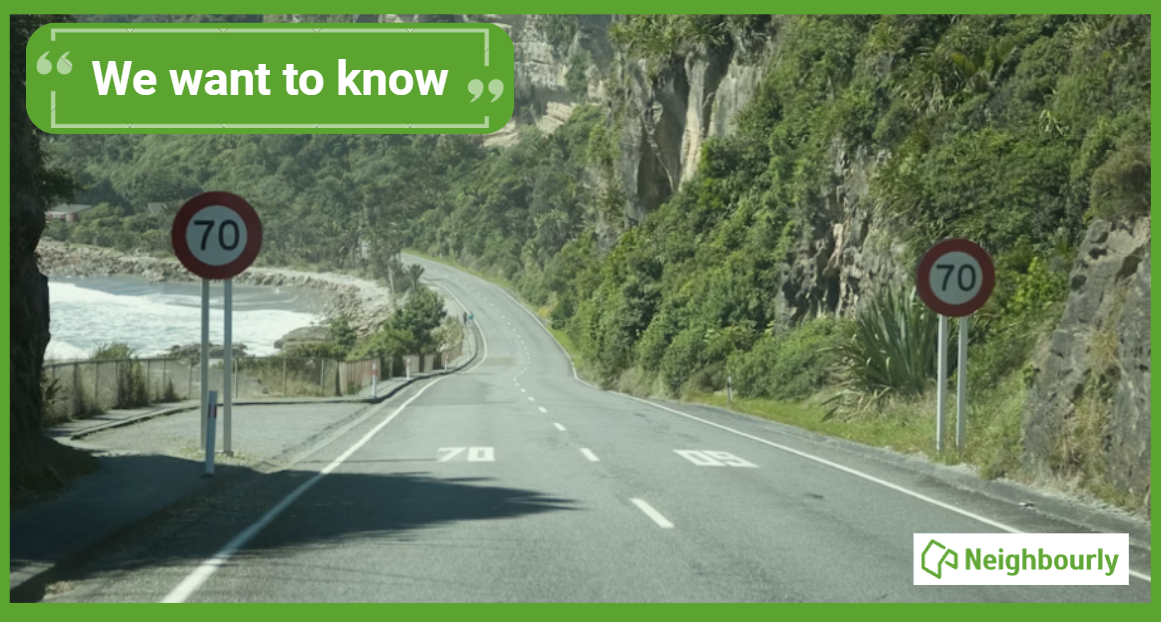
Poll: If we want to reduce speeding, what do you think actually changes driver behaviour? 🛻🚨🚓
In the Post's article on speeding penalties, the question is asked whether speeding fines are truly about road safety, or are they just a way to boost revenue for the Crown?
What do you think? Should speeding motorists receive speeding fines or demerit points?
-
37.2% The sting of a fine (Money talks!)
-
62.8% The threat of demerit points (Nobody wants to lose their license!)

Some Choice News!
DOC is rolling out a new tool to help figure out what to tackle first when it comes to protecting our threatened species and the things putting them at risk.
Why does this matter? As Nikki Macdonald from The Post points out, we’re a country with around 4,400 threatened species. With limited time and funding, conservation has always meant making tough calls about what gets attention first.
For the first time, DOC has put real numbers around what it would take to do everything needed to properly safeguard our unique natural environment. The new BioInvest tool shows the scale of the challenge: 310,177 actions across 28,007 sites.
Now that we can see the full picture, it brings the big question into focus: how much do we, as Kiwis, truly value protecting nature — and what are we prepared to invest to make it happen?
We hope this brings a smile!

 Loading…