




Less Talk, More Action
Reading about the government grants given to KCDC under the Better Off package, one can't fail to notice that there is an awful lot of talking going on in the way these funds have been allocated. Approximately $775 million has been allocated to capacity-building, development-type projects which are difficult to evaluate in terms of outputs. Given the events of this week, the money could be better spent shoring up our storm water and drinking water systems to cope with extreme weather events. This may be more inkeeping with the purpose of the grants.
While in Kapiti we may not experience an event of the scale seen with cyclone Gabrielle, floods are becoming more frequent and our aging storm water system is in need of an upgrade. Small underground pipes cannot cope with the volumes of water generated with these events and a raft of other measures are needed. For instance, the creation of more green spaces, trees, ponds to contain runoff, restoration of wetlands, and construction of swales on private and public land.
We could dig up some of the concrete and replace it with permeable or semi permeable paths where this is practicable. All of these measures will slow down and absorb the flow of water during an extreme event.
Our KCDC engineers probably have a number of other good ideas we should be looking at. Funding needs to be allocated for these. Landowners could be assisted to provide ponds for storm water collection and construct swales along driveways and fences on private property. (and note that ponds will need to be fenced).
Are our drinking water systems future-proofed? Do collection points, substations need to be upgraded? Floodplain work is needed so that water is directed toward a specific overflow area. Gravel needs to be removed from the lower reaches of our rivers.
All of these measures will enable us to be better off when extreme weather hits. To the council, I would say this:
To thy own self be true
You cannot sit in meetings waving a pen around and looking for ways to defer things. You were elected for espousing certain values which the community needs and you need to act on those.

🧩😏 Riddle me this, Neighbours…
I am an odd number. Take away a letter and I become even. What number am I?
Do you think you know the answer?
Want to stop seeing these in your newsfeed? No worries! Simply head here and click once on the Following button.

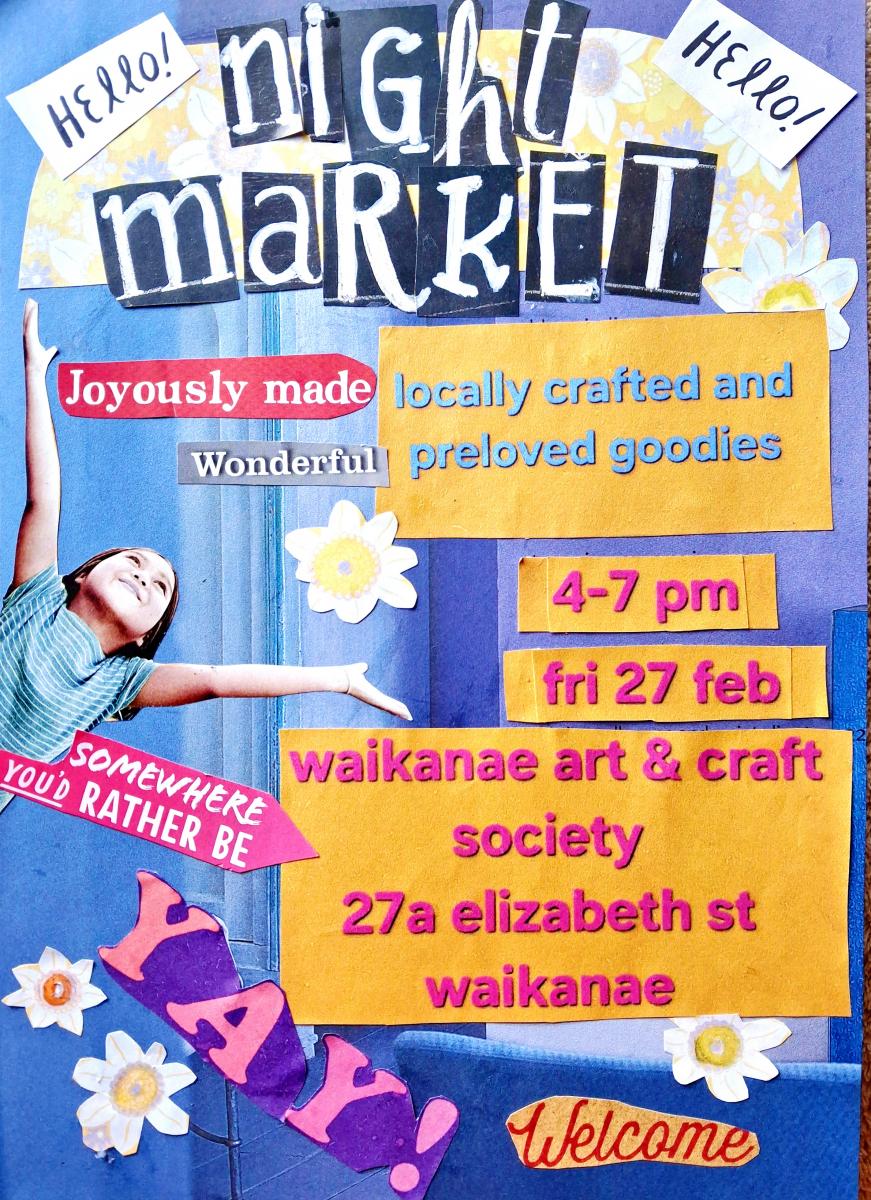
LOCALLY CRAFTED AND PRELOVED NIGHT MARKET IS ON TODAY
When:- Friday 27 February, 4:00pm – 7:00pm
Where: Waikanae Arts and Crafts Society Hall
27a Elizabeth St, Waikanae
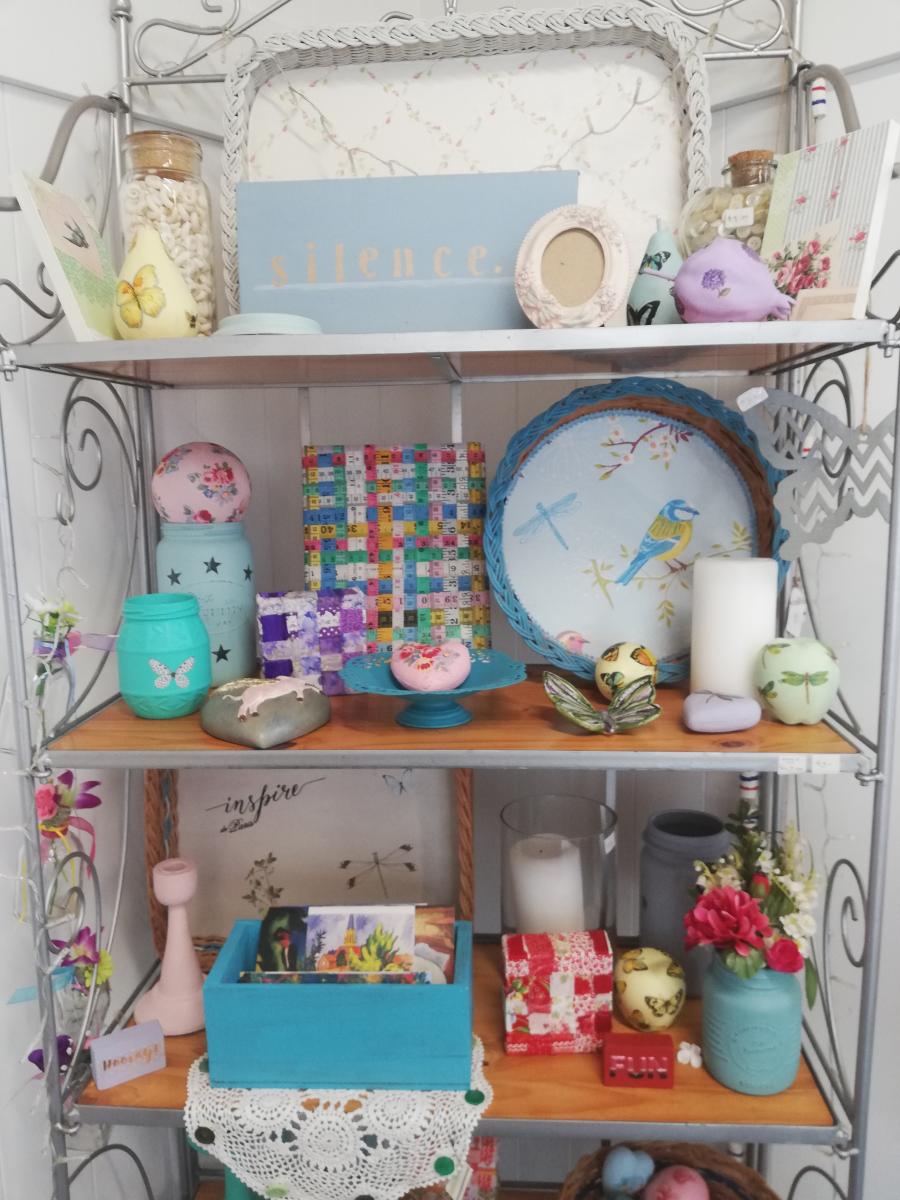
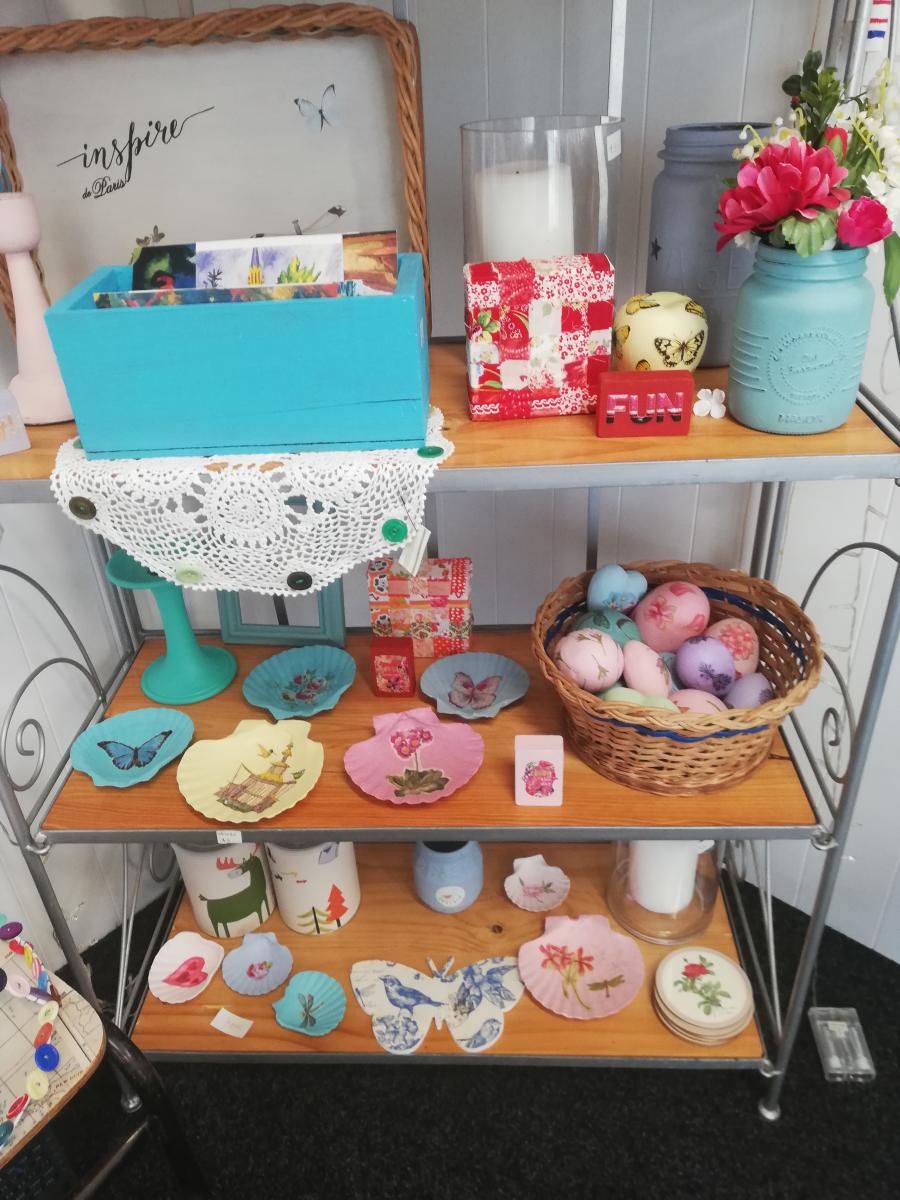
Joyously made, locally hand crafted and wonderful preloved goodies:-
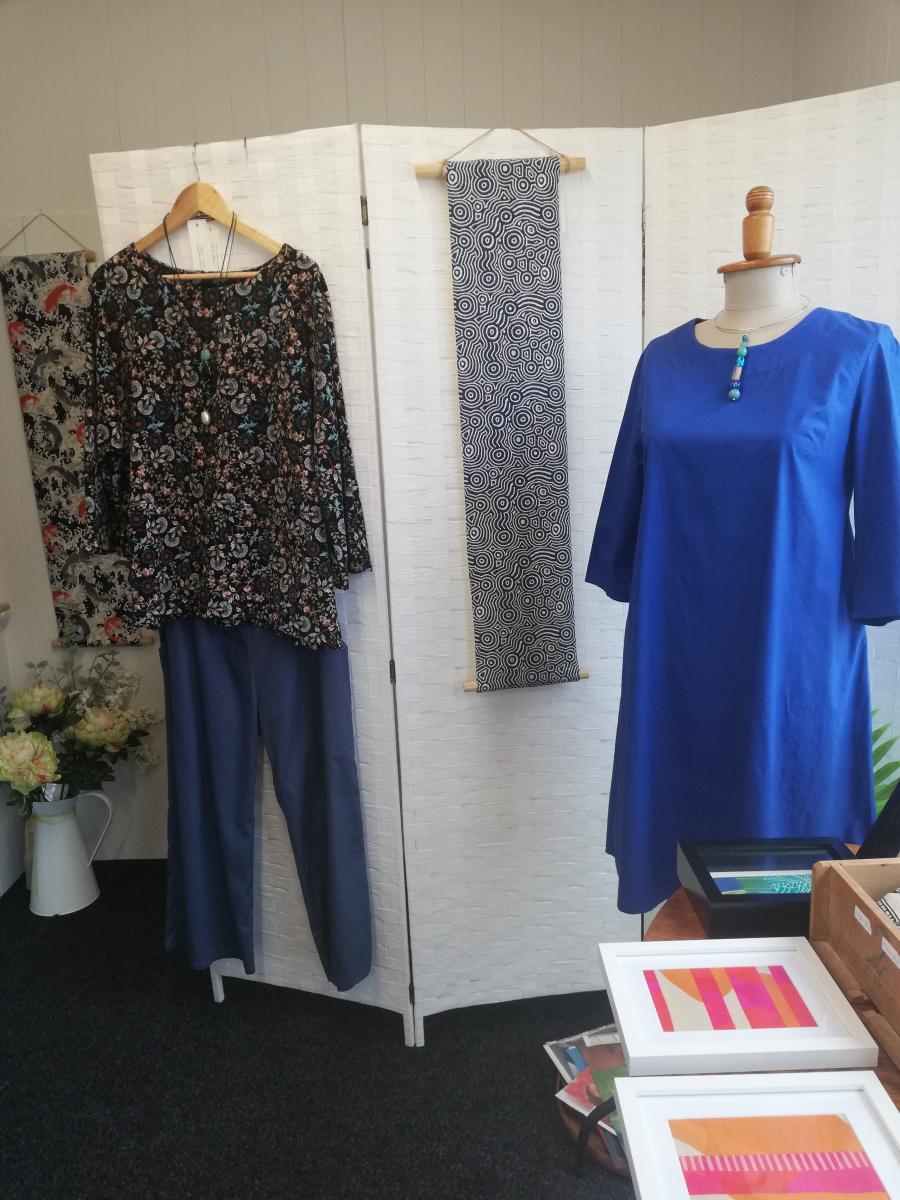
* Good quality Preloved Clothing
* New Clothing by a local designer
* Jewellery
* Hand made Bags
* Hand made Children's Dress-ups and Dolls Clothes
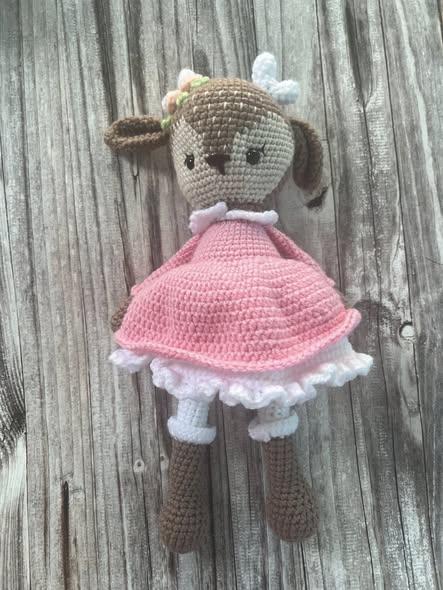
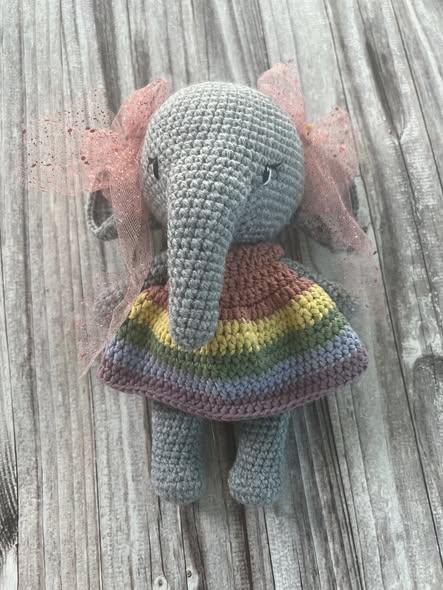
* Hand made Crochet Toys
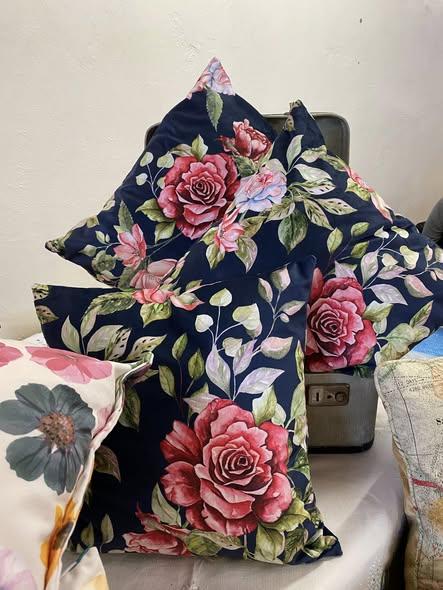
* Hand made Cushions
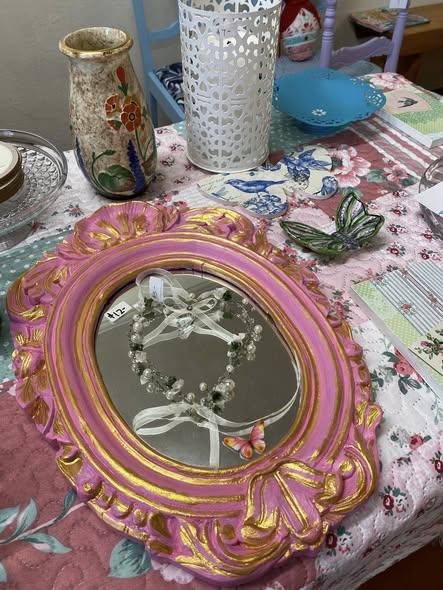
* Upcycled and repurposed items including Furniture upcycled in a Shabby Chic style
* The Chimney Pot - Antiques & Collectables
* Collage Art
Bring the kids along!! They have not been forgotten!!
Don't miss it - Everyone Welcome!!
Support Local!!

Some Choice News!
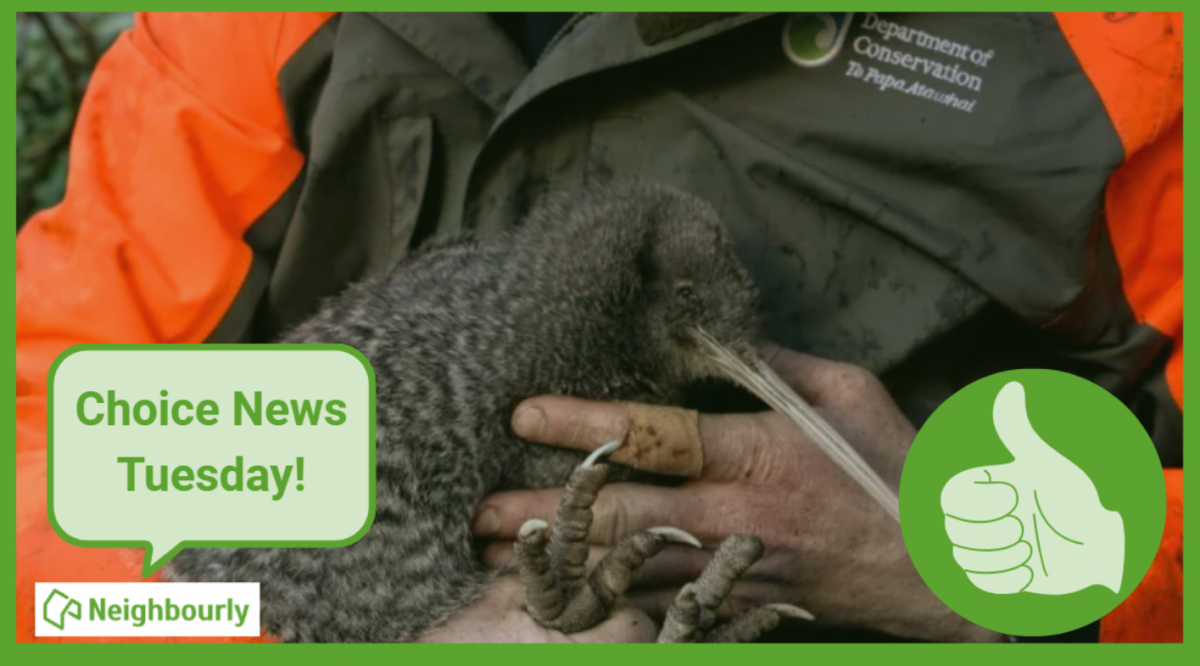
DOC is rolling out a new tool to help figure out what to tackle first when it comes to protecting our threatened species and the things putting them at risk.
Why does this matter? As Nikki Macdonald from The Post points out, we’re a country with around 4,400 threatened species. With limited time and funding, conservation has always meant making tough calls about what gets attention first.
For the first time, DOC has put real numbers around what it would take to do everything needed to properly safeguard our unique natural environment. The new BioInvest tool shows the scale of the challenge: 310,177 actions across 28,007 sites.
Now that we can see the full picture, it brings the big question into focus: how much do we, as Kiwis, truly value protecting nature — and what are we prepared to invest to make it happen?
We hope this brings a smile!
 Loading…