






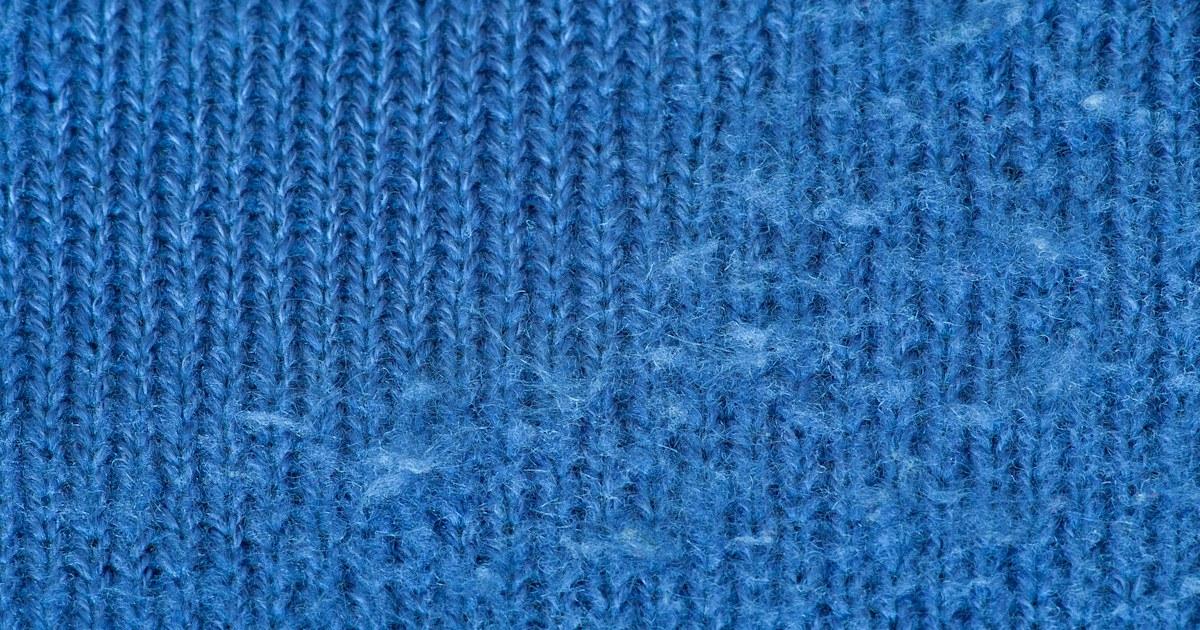
What is Fabric Pilling?
Whilst it can be unsightly, pilling is not a fabric defect or flaw.
You’ve no doubt had clothing, furniture or blankets that have developed ‘pills’ over time, or little lint balls, that can make the fabric look worn. This undesired texture is caused by loose or broken fabric fibres that rise to the surface and knot together after being rubbed or subjected to any friction. The loose fibres that are bunched into balls also bring in strands that are still secured to the fabric itself, thus the balls stick around on the exterior. Even though people are dismayed to see pilling on their items, understanding fabric pilling helps to prevent and remove these bothersome balls.
Causes of Fabric Pilling
What does it mean when fabric is pilling? Pilling is a result of normal wear and tear that causes friction on the fabric. Simply wearing clothes, using your couch or otherwise rubbing up against the material gives the possibility of pilling. Washing and drying clothes or fabric can also speed up the pilling process as it causes multiple surfaces to rub together fairly quickly and for a long period of time.
Sometimes you can have pilling that differs in colour to the base fabric as multiple coloured fibres have migrated and twisted together. Although not desired, a little decorative perhaps?
Pilling is more noticeable on synthetic fibres. This is mainly because natural fabrics shed loose fibres easily and naturally slip away so they tend to not become matted into balls. However, synthetic fibres are extremely strong, so it will pill and then remain strongly attached to the fabric.
Keep reading: www.curtainclean.co.nz...

Poll: Should the government levy industries that contribute to financial hardship?
As reported in the Post, there’s a $30 million funding gap in financial mentoring. This has led to services closing and mentors stepping in unpaid just to keep helping people in need 🪙💰🪙
One proposed solution? Small levies on industries that profit from financial hardship — like banks, casinos, and similar companies.
So we want to hear what you think:
Should the government ask these industries to contribute?

-
58.9% Yes, supporting people is important!
-
26.1% No, individuals should take responsibility
-
15% ... It is complicated

A Neighbourly Riddle! Don’t Overthink It… Or Do?😜
Do you think you know the answer? Simply 'Like' this post if you know the answer and the big reveal will be posted in the comments at 2pm on the day!
If you multiply this number by any other number, the answer will always be the same. What number is this?


Have you got New Zealand's best shed? Show us and win!
Once again, Resene and NZ Gardener are on the hunt for New Zealand’s best shed! Send in the photos and the stories behind your man caves, she sheds, clever upcycled spaces, potty potting sheds and colourful chicken coops. The Resene Shed of the Year 2026 winner receives $1000 Resene ColorShop voucher, a $908 large Vegepod Starter Pack and a one-year subscription to NZ Gardener. To enter, tell us in writing (no more than 500 words) why your garden shed is New Zealand’s best, and send up to five high-quality photos by email to mailbox@nzgardener.co.nz. Entries close February 23, 2026.

 Loading…