




PINK - A Colourful History
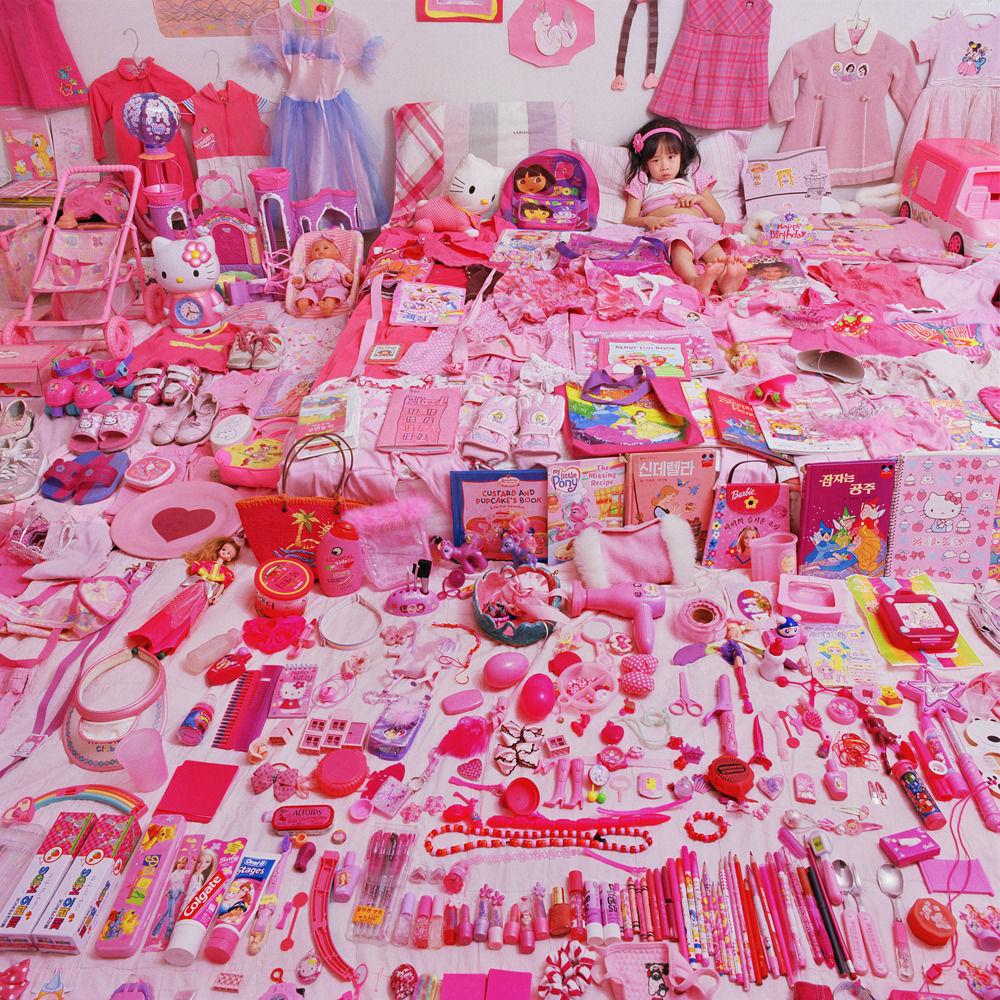
Pink has always been a spectacular contradiction. It’s simultaneously fresh-faced and sophisticated, alien (a 17th-century Chinese word for pink meant “foreign color”) and internal, and at home in both high and low culture. In Japan, it serves as wistful symbol of the slain samurai; in Korea, it’s interpreted as a sign of trustworthiness.
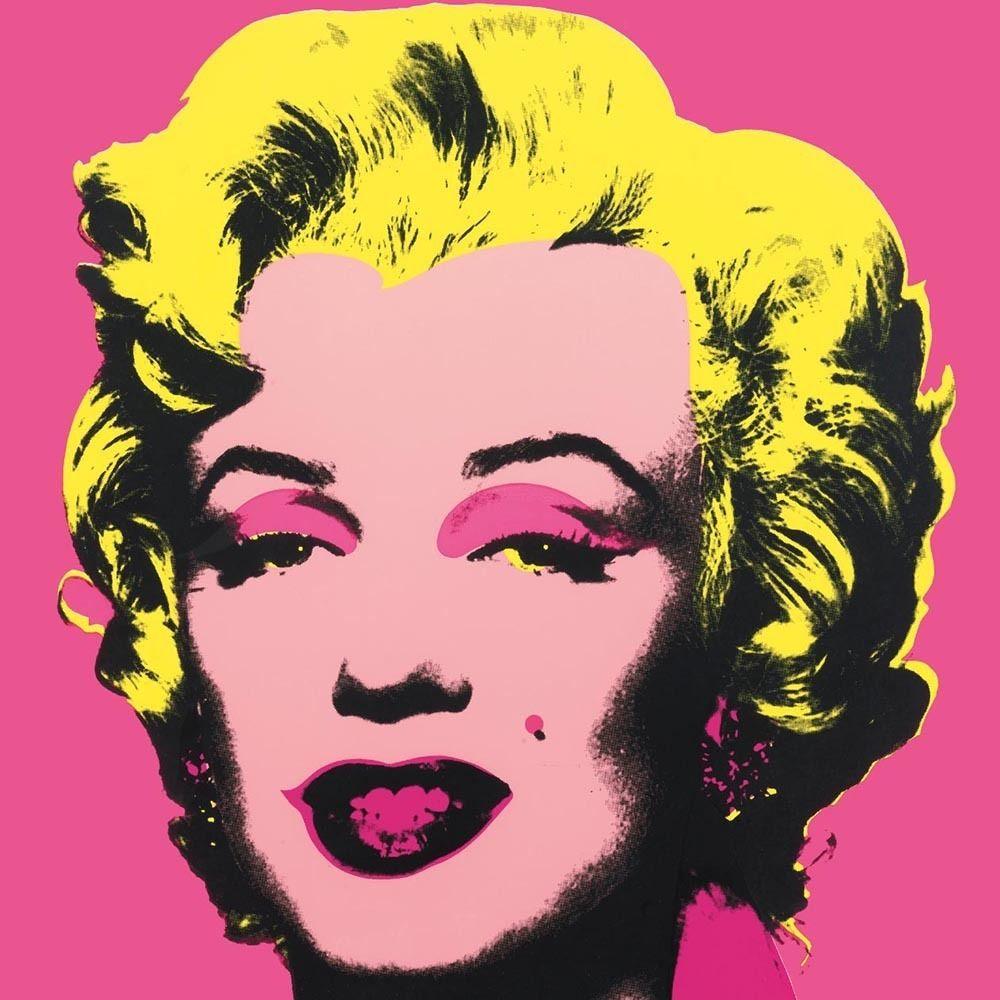
In the West, pink has shifted from one extreme to the next over the last three centuries. Eighteenth-century fashion helped to popularize the shade, which was a favorite of the pastel-loving European bourgeoisie. Pink received a fuchsia facelift during the 1960s Pop Art movement and a neon-soaked ’90s revival, before settling down as the pale, “post-gender” center of every millennial moodboard. From Renaissance portraits to rose gold iPhones, here’s a brief history of pink in art—and beyond.
Pink rarely appears in nature, which may explain why the color only entered the English language as a noun at the end of the 17th century. But in other languages, the shade remains difficult to pin down. Pink’s cultural significance can also vary widely between countries. In contemporary Japanese culture, pink is perceived as a masculine and mournful color that represents 'young warriors who fall in battle while in the full bloom of life.' In Germany, pink is “rosa”—a hue that’s 'bright, soft, peaceful, sweet, and harmless.'
The diversity of pink hues is the result of adding or subtracting yellow and blue tones from a wide spectrum of colors.
Keep reading: www.artsy.net...



Poll: 🤖 What skills do you think give a CV the ultimate edge in a robot-filled workplace?
The Reserve Bank has shared some pretty blunt advice: there’s no such thing as a “safe” job anymore 🛟😑
Robots are stepping into repetitive roles in factories, plants and warehouses. AI is taking care of the admin tasks that once filled many mid-level office jobs.
We want to know: As the world evolves, what skills do you think give a CV the ultimate edge in a robot-filled workplace?
Want to read more? The Press has you covered!

-
58.5% Human-centred experience and communication
-
13.6% Critical thinking
-
24.5% Resilience and adaptability
-
3.4% Other - I will share below!

Brain Teaser of the Day 🧠✨ Can You Solve It? 🤔💬
Make a hearty dish. Take just half a minute. Add four parts of kestrel. Then just add one. What have you made?
(Trev from Silverdale kindly provided this head-scratcher ... thanks, Trev!)
Do you think you know the answer? Simply 'Like' this post and we'll post the answer in the comments below at 2pm on the day!
Want to stop seeing these in your newsfeed? No worries! Simply head here and click once on the Following button.
Poll: Should the government levy industries that contribute to financial hardship?
As reported in the Post, there’s a $30 million funding gap in financial mentoring. This has led to services closing and mentors stepping in unpaid just to keep helping people in need 🪙💰🪙
One proposed solution? Small levies on industries that profit from financial hardship — like banks, casinos, and similar companies.
So we want to hear what you think:
Should the government ask these industries to contribute?

-
59.7% Yes, supporting people is important!
-
26.3% No, individuals should take responsibility
-
14.1% ... It is complicated
 Loading…