






Have you heard about Abbeyfield and what it is?
A little background information:
Abbeyfield was established in New Zealand / Aotearoa in 1992. It is a housing model that originated in the UK in the 1950s to address the issues of isolation and loneliness among older people and aims to provide a comfortable home for people to enjoy the companionship of others.
Abbeyfield houses are also an affordable option for people with limited assets and income. There is no license to occupy, or capital entry charge and the rent is designed to be affordable for those relying on superannuation for their main income.
Here in New Plymouth, there is a collective of organisations which include Positive Ageing, Age Concern, Taranaki Disability Information Centre Trust and Grey Power that have investigated the possibility of having an Abbeyfield here in New Plymouth. This started with a visit to the closest Abbeyfield house in Palmerston North. At time of writing this, there are currently 15 houses in New Zealand providing a home to 173 residents.
The current models being investigated are:
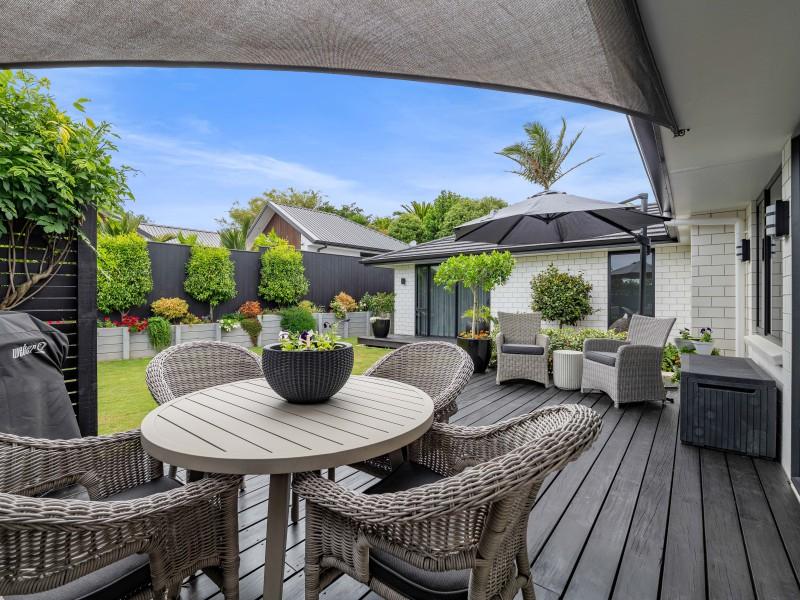
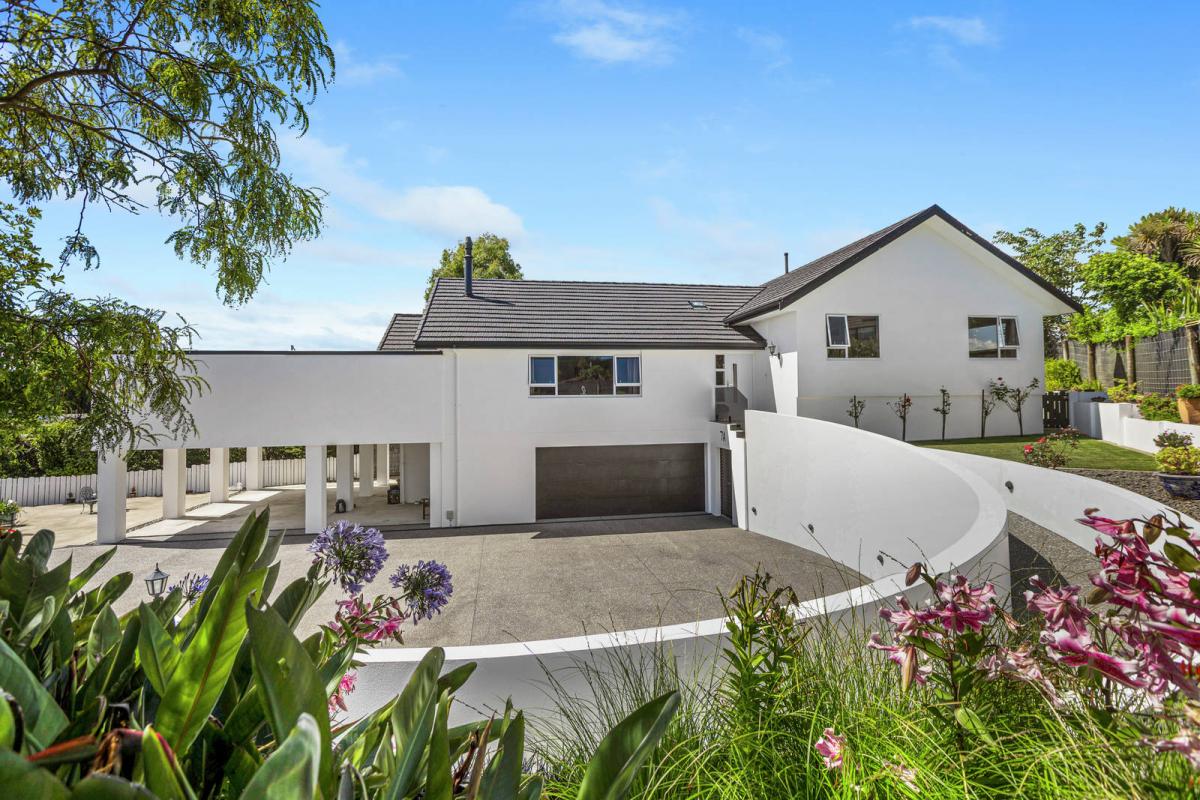
Hamilton model is situated in the Hillcrest suburb close to shops, post office, bank, medical centre and library which is located in Te Ara Hou village an innovative cluster of social services agencies and cater for 12 residents
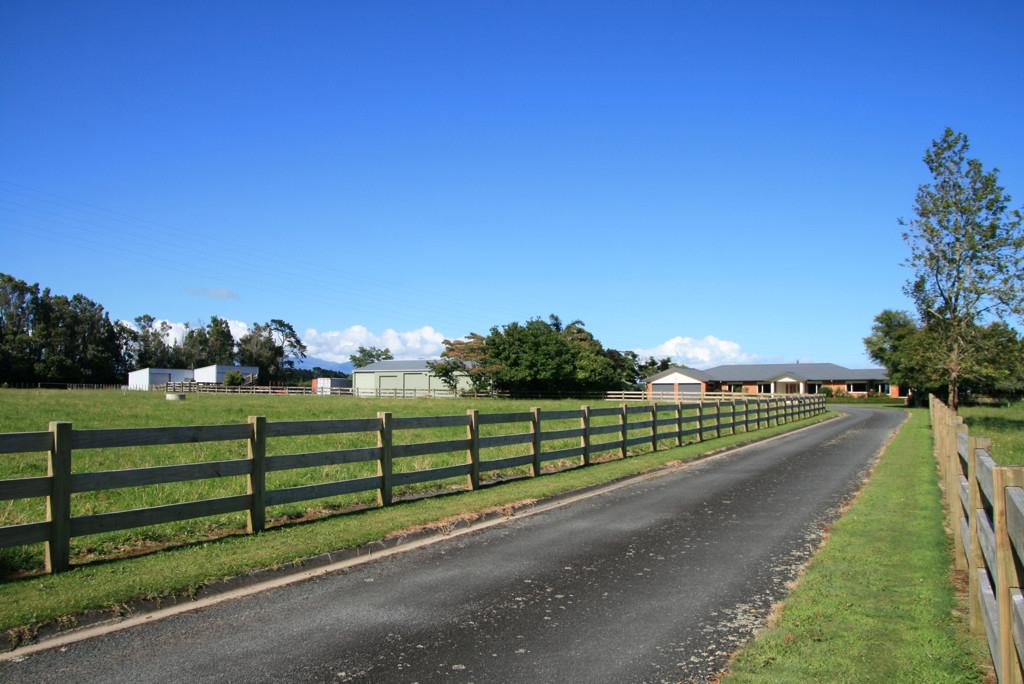
Palmerston North model is situated in Roslyn and close to bus services, the local library, shops and pharmacy. Nearby is Edwards Pit Park Reserve, a scenic reserve with pathways and boardwalks.
The single storey house is set back from the street on a right-of-way and caters for 12 residents. The studio units are spacious and have outdoor patios looking out on to the garden. There is a large open plan lounge and dining area where residents can relax in comfort.
How does it work, you ask?
Living at an Abbeyfield house is like being part of a big whānau or family. You can enjoy the companionship of other residents but still live your own life. Each house caters for up to 14 kaumātua or older people.
You can relax knowing you don’t have to worry about managing a household or planning and preparing meals. The housekeeper/ cook provides self-service breakfast and two main meals a day, which residents share together in the dining room. The housekeeper also does the household shopping, keeps the communal living areas clean and tidy, and ensures high standards of health, hygiene and safety are maintained. They keep the household running smoothly.
What is the next step?
The team from the collective organisations have registered as an Incorporated Society to have a recognised identity and now the serious stuff begins, working through the different processes and funding applications to take this to the next stage. So, there are exciting things happening in our community on the housing front.
Are you interested in learning more? Do you think that you may have skills that could support this project? If yes, then please make contact with us at Volunteering New Plymouth by phoning 06 758 8986 or contact Wendy by email: admin@vnp.nz or Ph/Text 022 571 4228

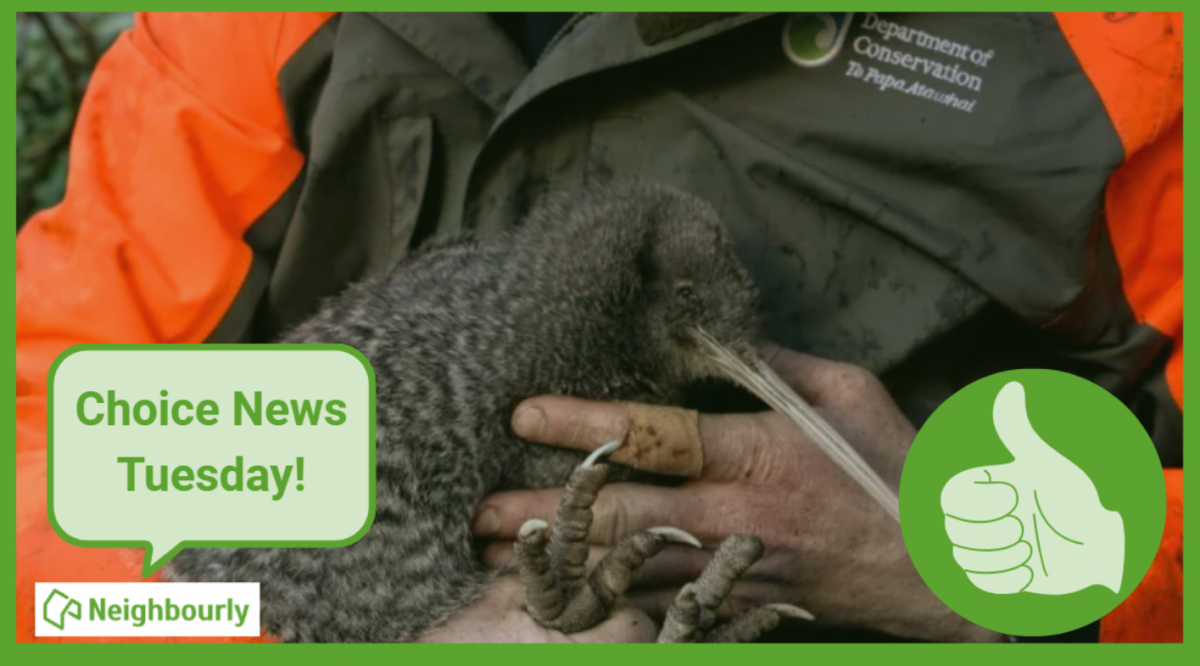
Some Choice News!
DOC is rolling out a new tool to help figure out what to tackle first when it comes to protecting our threatened species and the things putting them at risk.
Why does this matter? As Nikki Macdonald from The Post points out, we’re a country with around 4,400 threatened species. With limited time and funding, conservation has always meant making tough calls about what gets attention first.
For the first time, DOC has put real numbers around what it would take to do everything needed to properly safeguard our unique natural environment. The new BioInvest tool shows the scale of the challenge: 310,177 actions across 28,007 sites.
Now that we can see the full picture, it brings the big question into focus: how much do we, as Kiwis, truly value protecting nature — and what are we prepared to invest to make it happen?
We hope this brings a smile!

Poll: 🤖 What skills do you think give a CV the ultimate edge in a robot-filled workplace?
The Reserve Bank has shared some pretty blunt advice: there’s no such thing as a “safe” job anymore 🛟😑
Robots are stepping into repetitive roles in factories, plants and warehouses. AI is taking care of the admin tasks that once filled many mid-level office jobs.
We want to know: As the world evolves, what skills do you think give a CV the ultimate edge in a robot-filled workplace?
Want to read more? The Press has you covered!

-
52.6% Human-centred experience and communication
-
14.7% Critical thinking
-
29.9% Resilience and adaptability
-
2.7% Other - I will share below!

Someone who can help
Sometimes, you want some help but don't know where to go. At CAB, we help you find the support that is right for your issue. We can help you understand your rights and responsibilities and we can advise which organisation or agency is right for your situation.
Our service is free, impartial and confidential. You can phone us on 06 758 9542 or visit in person at Community House, 32 Leach Street. No appointment necessary. We are open 9:30am to 3:30pm Monday to Friday and 9:30am to 12:30pm on Saturday.

 Loading…