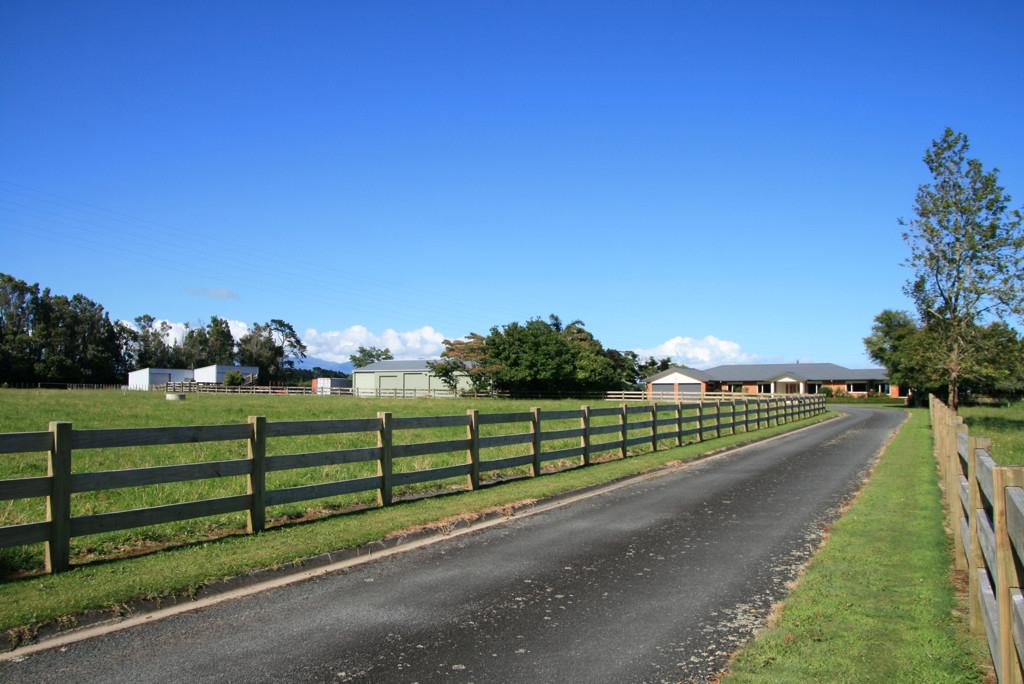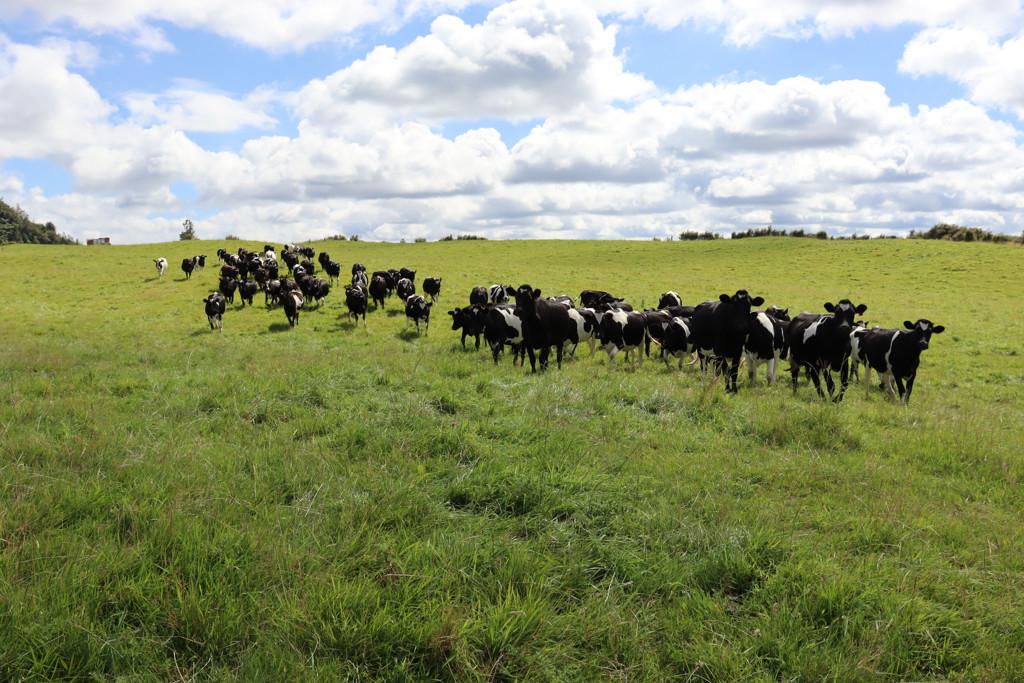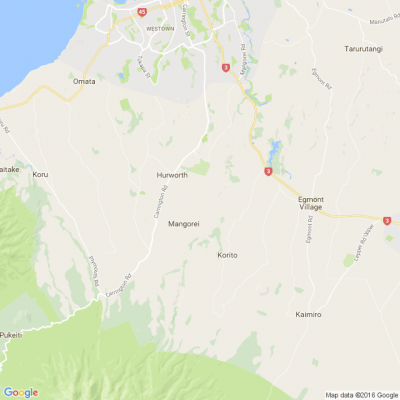
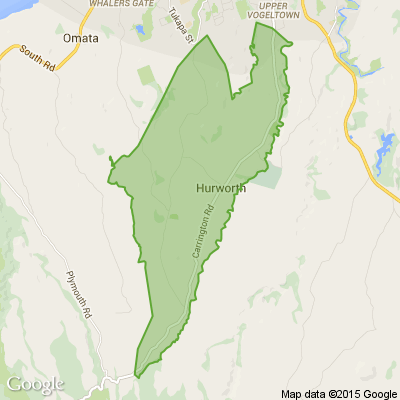







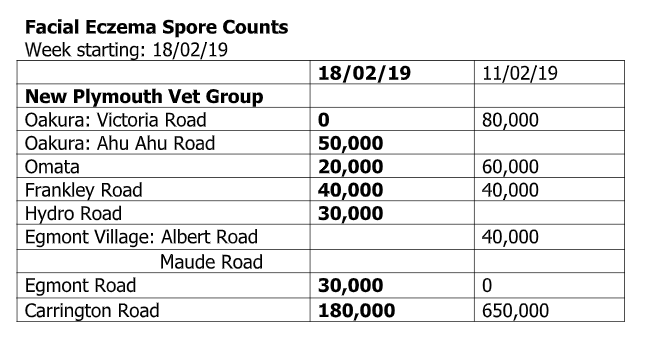
SPORE COUNTS for week 18.02.19
Please see below the Spore Count readings for New Plymouth from 18.02.19. We will be updating this for you on Neighbourly on a weekly basis. If you are concerned about your stock, please feel free to contact the clinic on (06) 7584006.
FACIAL ECZEMA - What is it?
Facial eczema (FE) is a disease of grazing ruminants and camelids. It is caused via liver damage by a toxin produced in a fungal spore that grows in the dead “litter” at the pasture base.
The ideal growing conditions are warm and damp with high humidity – often following a dry spell. If you see mushrooms growing it is ideal FE conditions.
The toxin damages the liver so that is can no longer metabolise correctly resulting in a build-up of chlorophyll in the blood (the green colour in grass). This chlorophyll reacts with sunlight to cause a deep-seated sunburn that results in the characteristic eczema signs.
Signs to look for
- a drop in milk production
- cows are restless, seeking shade and lick their udder
- exposed unpigmented or thin skin reddens, thickens and peels
Not all animals affected with facial eczema show physical signs (i.e. clinical FE) although liver damage (i.e. subclinical FE) has occurred. It is estimated that for every clinical case there will be 10 cows with subclinical facial eczema.
Prevention
There is no cure for facial eczema, so prevention is the only way of protecting animals. To be effective, preventative measures need to be in place before eczema spores are found.
Preventative measures include monitoring pasture spore count and either dosing animals with zinc or spraying pastures with a fungicide

Share your favourite main crop potato recipe and win a copy of our mag!
Love potatoes? We will give away free copies of the May 2026 issue to readers whose potato recipes are used in our magazine. To be in the running, make sure you email your family's favourite way to enjoy potatoes: mailbox@nzgardener.co.nz, by March 1, 2026.


Poll: 🤖 What skills do you think give a CV the ultimate edge in a robot-filled workplace?
The Reserve Bank has shared some pretty blunt advice: there’s no such thing as a “safe” job anymore 🛟😑
Robots are stepping into repetitive roles in factories, plants and warehouses. AI is taking care of the admin tasks that once filled many mid-level office jobs.
We want to know: As the world evolves, what skills do you think give a CV the ultimate edge in a robot-filled workplace?
Want to read more? The Press has you covered!

-
52.8% Human-centred experience and communication
-
14.8% Critical thinking
-
29.7% Resilience and adaptability
-
2.8% Other - I will share below!

Some Choice News!
DOC is rolling out a new tool to help figure out what to tackle first when it comes to protecting our threatened species and the things putting them at risk.
Why does this matter? As Nikki Macdonald from The Post points out, we’re a country with around 4,400 threatened species. With limited time and funding, conservation has always meant making tough calls about what gets attention first.
For the first time, DOC has put real numbers around what it would take to do everything needed to properly safeguard our unique natural environment. The new BioInvest tool shows the scale of the challenge: 310,177 actions across 28,007 sites.
Now that we can see the full picture, it brings the big question into focus: how much do we, as Kiwis, truly value protecting nature — and what are we prepared to invest to make it happen?
We hope this brings a smile!

 Loading…