






Have you heard of Community Comms Collective?
Who are they and what do they do?
Well, to answer that question and others you may want to listen to Access Radio Taranaki 104.4FM on Sunday December 1st 2024, to hear Gemma share information about all that the Collective can offer Not for Profit – For Purpose Organisations.
But here are a few questions and answers to other information you may wish to be informed about to support your organisation.
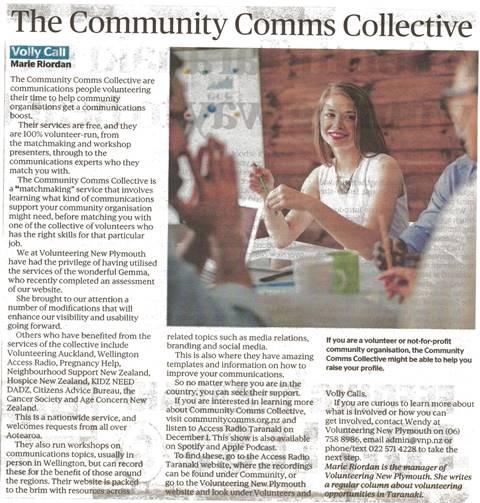
Who are they? They are communications people volunteering their time to help community organisations with a communications boost. Their services are free, and they are 100 percent volunteer run, from the matchmaking and workshop presenters, through to the communications experts who they match you with.
What do they do? They are a matchmaking service which involves learning what kind of communications support your community organisation might need, then matching you with one of the collective of volunteers who has the right skills for that particular job.
Who do they work with? We at Volunteering New Plymouth have had the privilege of having utilised the services of the wonderful Gemma, who recently completed an assessment on our website. Bringing our attention to a number of modifications that will enhance our visibility and useability going forward.
Others who have benefitted from the services of the collective in a variety of ways are Volunteering Auckland, Wellington Access Radio, Pregnancy Help Inc, Neighbourhood Support New Zealand, Hospice New Zealand, KIDZ NEED DADZ, CAB - Citizens Advice Bureau, Cancer Society, Age Concern New Zealand to name a few organisations that you may recognise.
Where are they operating? This is a nationwide service and they welcome requests from all over Aotearoa. They also run workshops on communications topics, usually in person in Wellington, but can record these for the benefit of those around the regions. Their website is packed to the brim with resources across related topics such as media relations, branding, and social media. This is also where they have amazing templates and information on how to improve your communications. So, no matter where you are in the country, you can seek their support.
Where can you learn more? If you are interested in learning more about Community Comms Collective, visit communitycomms.org.nz and listen to Access Radio on 1st December. This show is also available to listen on Spotify and Apple Podcast - to find these go the either Access Radio Taranaki website and these recordings can be found under Community or to Volunteering New Plymouth website and look under Volunteers and Volly Calls.
Who can you contact?
If you are curious to learn more about what is involved and / or how you can get involved then contact Wendy (Monday to Thursday) at Volunteering New Plymouth on 06 758 8986, Ph/Text: 022 571 4228 or Email: admin@vnp.nz. to take the next step.

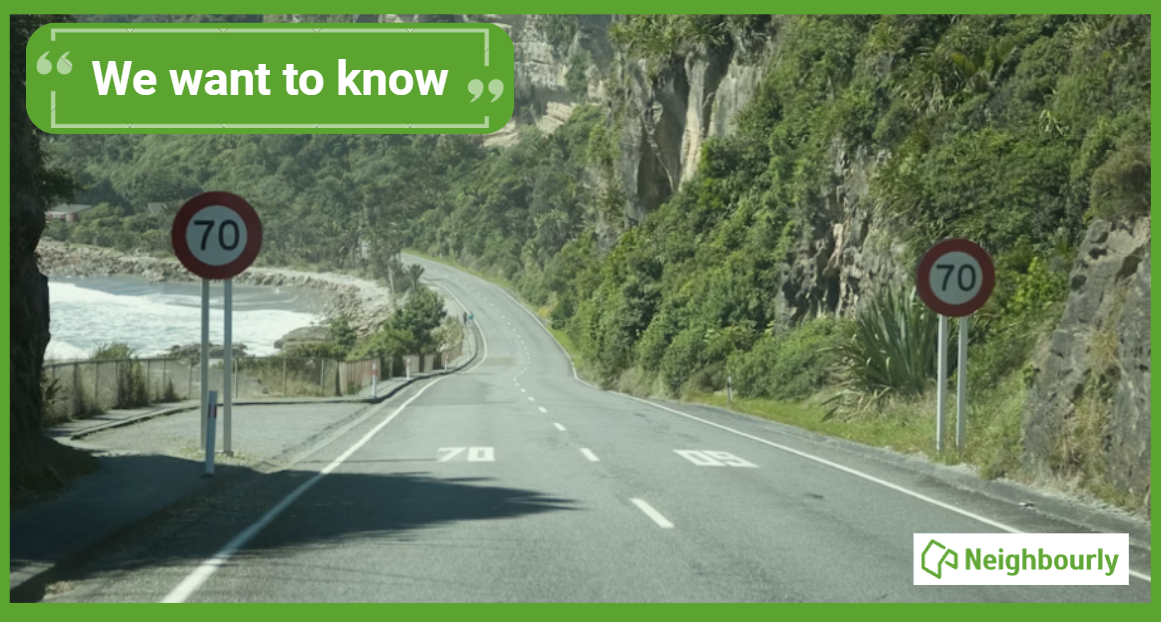
Poll: If we want to reduce speeding, what do you think actually changes driver behaviour? 🛻🚨🚓
In the Post's article on speeding penalties, the question is asked whether speeding fines are truly about road safety, or are they just a way to boost revenue for the Crown?
What do you think? Should speeding motorists receive speeding fines or demerit points?
-
38.3% The sting of a fine (Money talks!)
-
61.7% The threat of demerit points (Nobody wants to lose their license!)

🎉 Riddle me this, legends! 🎉
He/She who makes it, sells it.
He/She who buys it, doesn't use it.
The user doesn't know they are using it.
What is it?
(Shezz from Ngāruawāhia kindly provided this head-scratcher ... thanks, Shezz!)
Do you think you know the answer? Simply 'Like' this post if you know the answer and the big reveal will be posted in the comments at 2pm on the day!
Want to stop seeing these in your newsfeed?
Head here and hover on the Following button on the top right of the page (and it will show Unfollow) and then click it. If it is giving you the option to Follow, then you've successfully unfollowed the Riddles page.


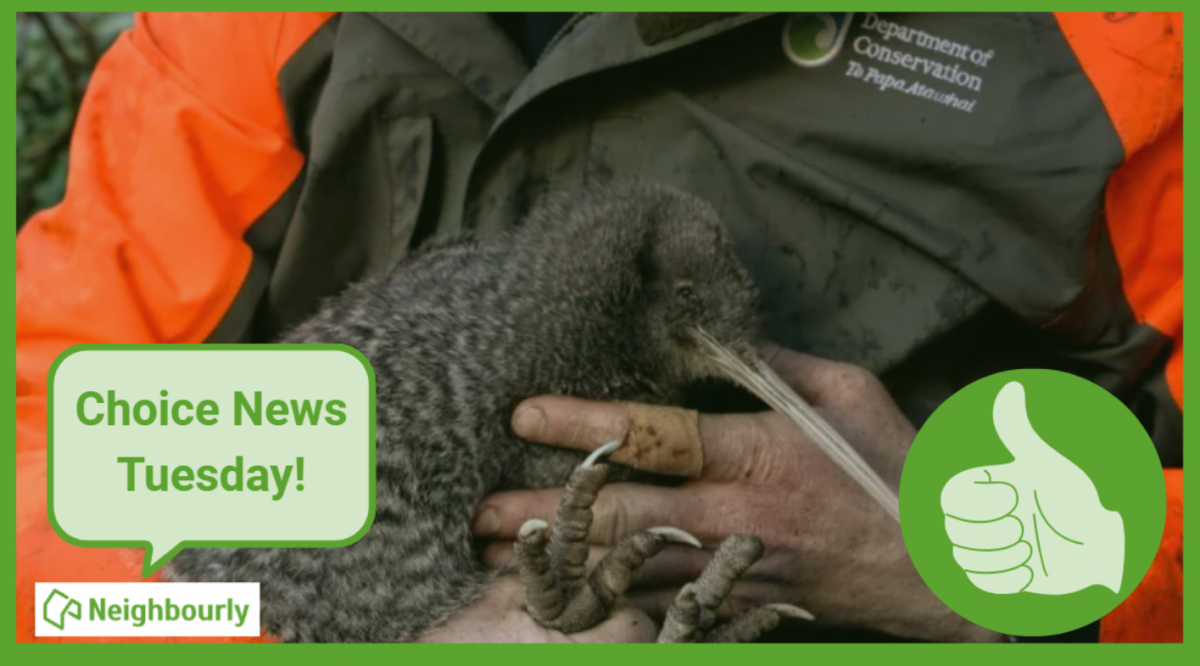
Some Choice News!
DOC is rolling out a new tool to help figure out what to tackle first when it comes to protecting our threatened species and the things putting them at risk.
Why does this matter? As Nikki Macdonald from The Post points out, we’re a country with around 4,400 threatened species. With limited time and funding, conservation has always meant making tough calls about what gets attention first.
For the first time, DOC has put real numbers around what it would take to do everything needed to properly safeguard our unique natural environment. The new BioInvest tool shows the scale of the challenge: 310,177 actions across 28,007 sites.
Now that we can see the full picture, it brings the big question into focus: how much do we, as Kiwis, truly value protecting nature — and what are we prepared to invest to make it happen?
We hope this brings a smile!
 Loading…