






Smart Water Meter Objection
I recently received information regarding Smart "Water Meter Installation" from the NPDC. Included was a form to fill out if you wanted to object to the installation.
This form states "All submissions and feedback (including your name, address and contact details) are provided to Council officers and elected members for the purpose of analysing feedback."
Since when does analysis of feedback data require names and addresses etc. to be known?
Statistics New Zealand always removes personal details when analysing information received from participants. This information is strictly confidential.
The NPDC could have collected feedback on their proposed Smart Water Meter Installation, and kept respondent details confidential, but they have chosen not to do this. This is very concerning.
And it gets worse.
The from also states "Submissions and feedback (with individuals' names only) may be available online."
So the Council is threatening to reveal the identity of those who object to a water meter being fitted.
Also the Council has chosen not to inform us that it's more than just a water meter, it's a SMART meter. This type of meter allows the council to remotely turn your water off for what ever reason.
And, even objecting to having the meter in the first place could be used against us.
I think the Council is using the threat to identify objectors, in their feedback form, as a way of stopping negative feedback regarding the installation of their SMART water meters.
The installation of a meter has never been about saving water. It's about having control through the smart meter over one's access to water by centralised control.

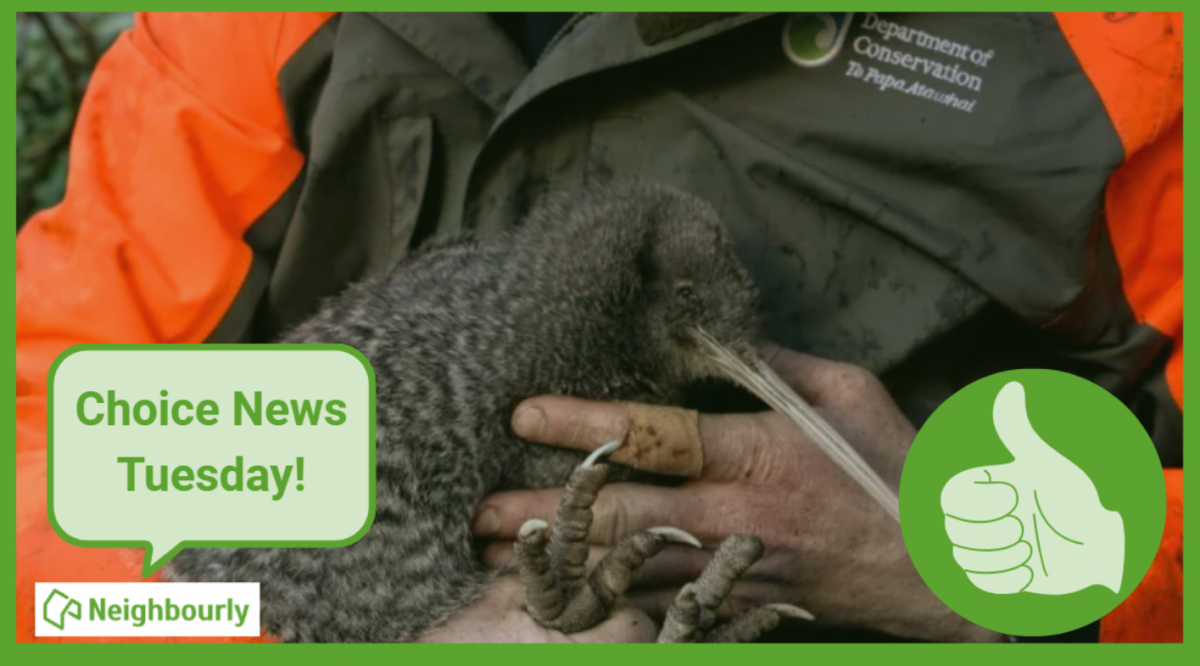
Some Choice News!
DOC is rolling out a new tool to help figure out what to tackle first when it comes to protecting our threatened species and the things putting them at risk.
Why does this matter? As Nikki Macdonald from The Post points out, we’re a country with around 4,400 threatened species. With limited time and funding, conservation has always meant making tough calls about what gets attention first.
For the first time, DOC has put real numbers around what it would take to do everything needed to properly safeguard our unique natural environment. The new BioInvest tool shows the scale of the challenge: 310,177 actions across 28,007 sites.
Now that we can see the full picture, it brings the big question into focus: how much do we, as Kiwis, truly value protecting nature — and what are we prepared to invest to make it happen?
We hope this brings a smile!

🎉 Riddle me this, legends! 🎉
He/She who makes it, sells it.
He/She who buys it, doesn't use it.
The user doesn't know they are using it.
What is it?
(Shezz from Ngāruawāhia kindly provided this head-scratcher ... thanks, Shezz!)
Do you think you know the answer? Simply 'Like' this post if you know the answer and the big reveal will be posted in the comments at 2pm on the day!
Want to stop seeing these in your newsfeed?
Head here and hover on the Following button on the top right of the page (and it will show Unfollow) and then click it. If it is giving you the option to Follow, then you've successfully unfollowed the Riddles page.


Scam Alert: Bank cold calls
ASB is warning customers about reports of cold calls from scammers claiming to be from ASB. These scammers are trying to obtain personal information, including usernames, dates of birth, and verification codes sent to your mobile phone.
🛡️ The "Caller Check" Test
If you get a call from someone claiming to be from ASB and you’re unsure, just ask them for a Caller Check. You will then be able to verify the call through the app.
Remember, banks will:
❌ Never ask for your banking passwords, PINs, or verification codes
❌ Never need to know your full credit card number – especially the CVC
❌ Never ask you to download software or remotely access your device
❌ Never ask you to purchase gift cards or transfer funds.
If you have received a phone call and think your account has been compromised, call ASB on 0800 ASB FRAUD (0800 272 372), or visit your local branch.
 Loading…