






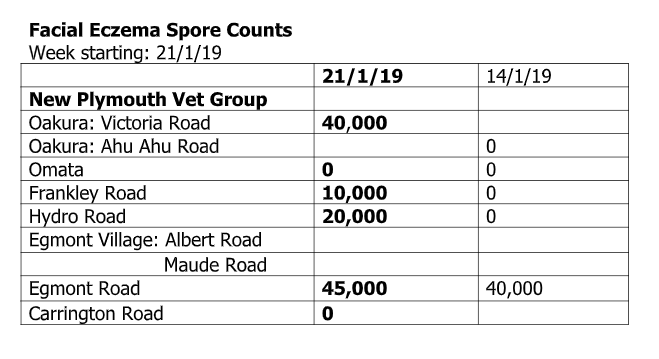
Attn: Lifestyle Block Owners / Farmers ***Spore Counts***
Please see below the Spore Count readings for New Plymouth from 21.1.19. We will be updating this for you on Neighbourly on a weekly basis. If you are concerned about your stock, please feel free to contact the clinic on (06) 7584006.
FACIAL ECZEMA - What is it?
Facial eczema (FE) is a disease of grazing ruminants and camelids. It is caused via liver damage by a toxin produced in a fungal spore that grows in the dead “litter” at the pasture base.
The ideal growing conditions are warm and damp with high humidity – often following a dry spell. If you see mushrooms growing it is ideal FE conditions.
The toxin damages the liver so that is can no longer metabolise correctly resulting in a build-up of chlorophyll in the blood (the green colour in grass). This chlorophyll reacts with sunlight to cause a deep-seated sunburn that results in the characteristic eczema signs.
Signs to look for
- a drop in milk production
- cows are restless, seeking shade and lick their udder
- exposed unpigmented or thin skin reddens, thickens and peels
Not all animals affected with facial eczema show physical signs (i.e. clinical FE) although liver damage (i.e. subclinical FE) has occurred. It is estimated that for every clinical case there will be 10 cows with subclinical facial eczema.
Prevention
There is no cure for facial eczema, so prevention is the only way of protecting animals. To be effective, preventative measures need to be in place before eczema spores are found.
Preventative measures include monitoring pasture spore count and either dosing animals with zinc or spraying pastures with a fungicide.

🧩😏 Riddle me this, Neighbours…
I am an odd number. Take away a letter and I become even. What number am I?
Do you think you know the answer?
Want to stop seeing these in your newsfeed? No worries! Simply head here and click once on the Following button.

Scam Alert: Bank cold calls
ASB is warning customers about reports of cold calls from scammers claiming to be from ASB. These scammers are trying to obtain personal information, including usernames, dates of birth, and verification codes sent to your mobile phone.
🛡️ The "Caller Check" Test
If you get a call from someone claiming to be from ASB and you’re unsure, just ask them for a Caller Check. You will then be able to verify the call through the app.
Remember, banks will:
❌ Never ask for your banking passwords, PINs, or verification codes
❌ Never need to know your full credit card number – especially the CVC
❌ Never ask you to download software or remotely access your device
❌ Never ask you to purchase gift cards or transfer funds.
If you have received a phone call and think your account has been compromised, call ASB on 0800 ASB FRAUD (0800 272 372), or visit your local branch.

Some Choice News!
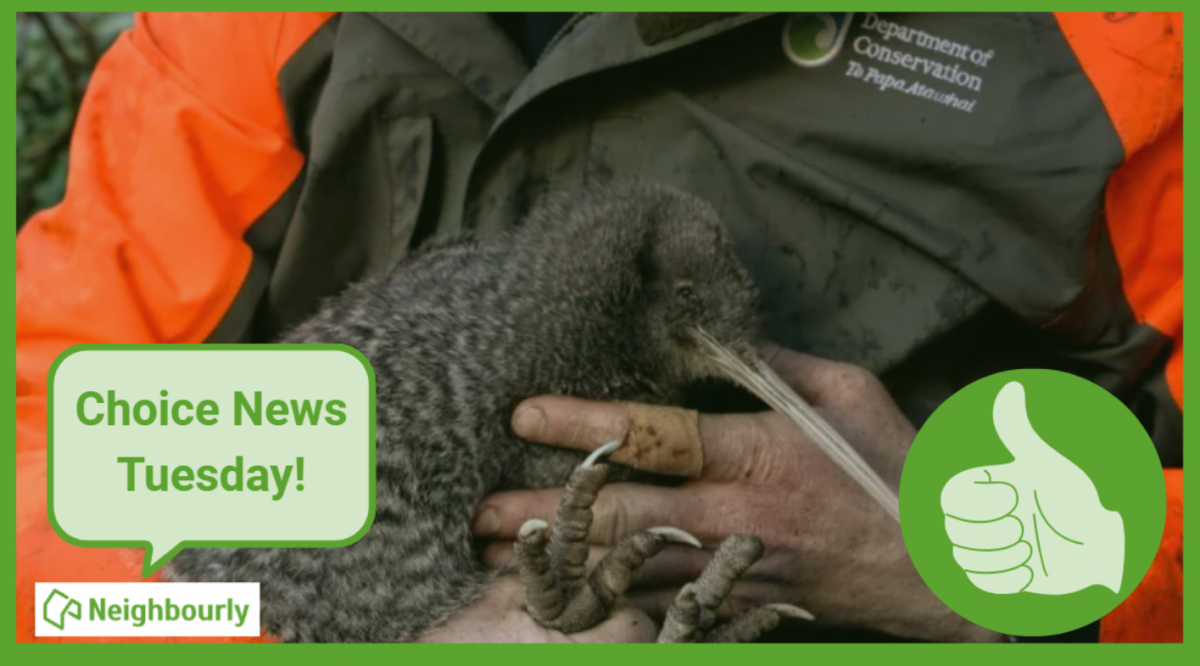
DOC is rolling out a new tool to help figure out what to tackle first when it comes to protecting our threatened species and the things putting them at risk.
Why does this matter? As Nikki Macdonald from The Post points out, we’re a country with around 4,400 threatened species. With limited time and funding, conservation has always meant making tough calls about what gets attention first.
For the first time, DOC has put real numbers around what it would take to do everything needed to properly safeguard our unique natural environment. The new BioInvest tool shows the scale of the challenge: 310,177 actions across 28,007 sites.
Now that we can see the full picture, it brings the big question into focus: how much do we, as Kiwis, truly value protecting nature — and what are we prepared to invest to make it happen?
We hope this brings a smile!
 Loading…