




DIY Protecting your home from fires
1. Check your smoke alarms
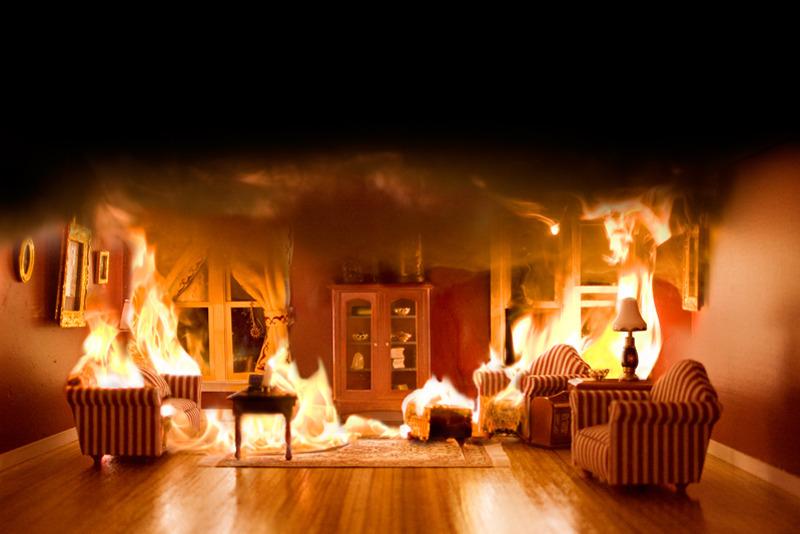
Smoke alarms provide an early warning in case of a fire inside your home. Traditional alarms beep when they detect smoke or fire, while smart detectors also send an alert to your phone. There should be a smoke detector in every room in your house except bathrooms, for maximum protection. You also need one in the hallway between the living area and bedrooms.
Crucially, you are highly advised to test your smoke alarms at least once a year to ensure they still work. You are four times more likely to die in a house fire without a functioning smoke alarm!
2. Get a fire extinguisher
Having a fire extinguisher handy can make the difference between a small kitchen mishap that was successfully contained, and the house literally burning down. There are different types of fire extinguisher, classified according to the kind of fire they’re designed to tackle. Make sure you are aware of what the differences are and how to use each one in an emergency situation. A typical home extinguisher should have an ABC rating:
• Class A – combustibles such as wood, paper, cloth, rubber, household rubbish, most plastics
• Class B – flammable liquids, solvents, oil, petrol, paints and lacquers
• Class C – gases including methane, propane, hydrogen, acetylene and natural gas
• Class D – combustible metals including magnesium and aluminium swarf
• Class E – Electrical fires
• Class F – chip pan fires, as an alternative to a fire blanket
3. Create a fire stopping landscape
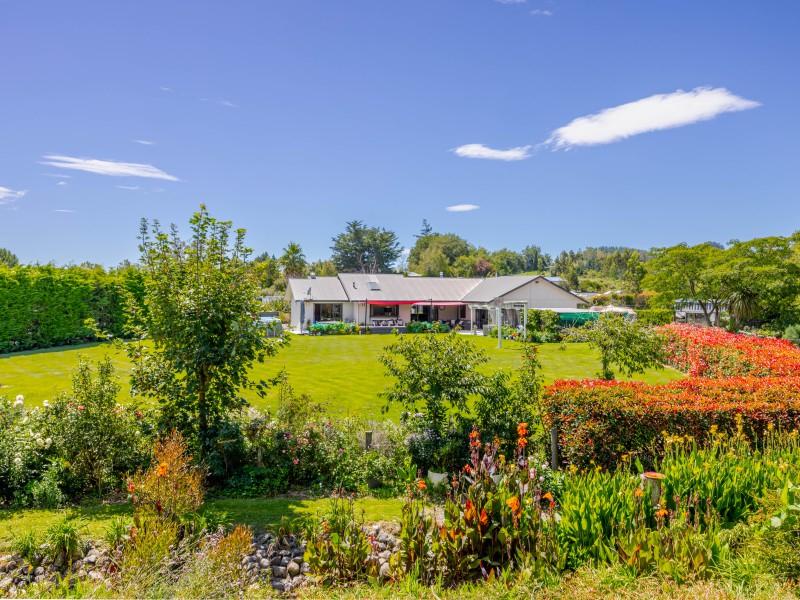
A fire originating from outside, such as a wildfire, is best thwarted by preventing it from reaching your house in the first place. You can use landscape gardening design to slow down or stop the spread of fire towards your home, by adhering to these tips:
• Use hard landscaping such as concrete, stone or gravel around the house
• Clear any dry vegetation from around the home, particularly in the summer
• Use fire resistant plants such as lavender and honeysuckle for soft landscaping, and spread them out, to slow down fire and stop it from spreading
• Keep outdoor plants well watered during the summer months. Lush green planting is less likely to burn.
4. Use fire retardant materials
Let’s start with building materials; some are more vulnerable to fire than others. Using fire retardant alternatives and fireproofing your interiors are good first lines of defence against a potentially serious tragedy. Make the changes when you are refurbishing or redecorating your home. The Building.govt.nz website has a comprehensive list of everything you can do to help prevention of fire occurring. Designing for fire can also be designing for sustainability which is without a doubt a win-win!
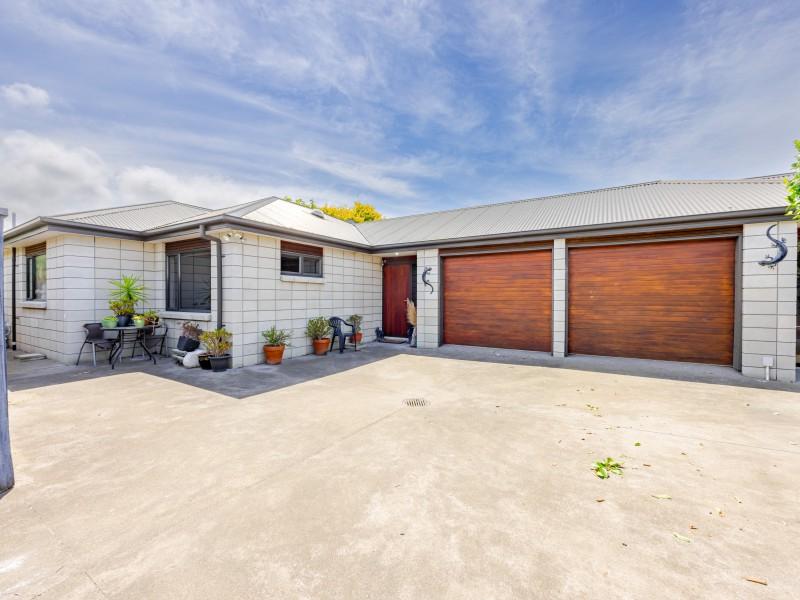
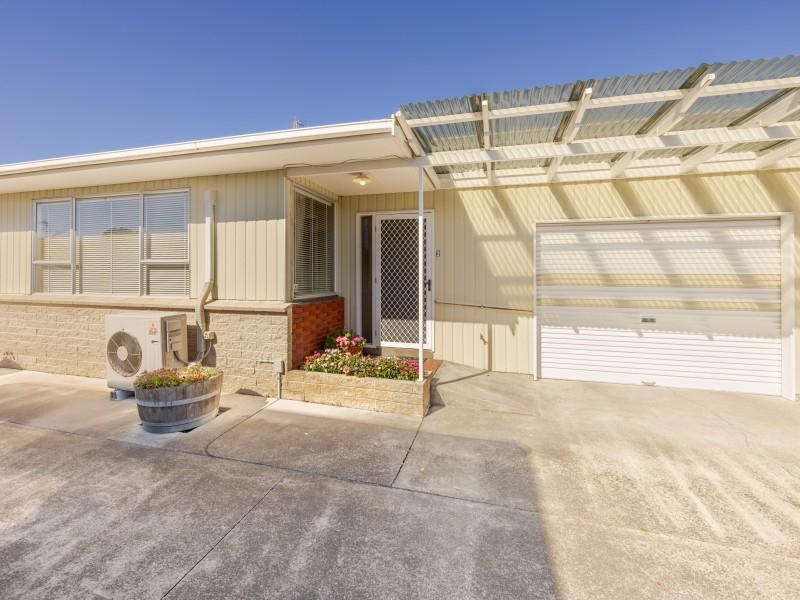
When it comes to materials, concrete panels, stucco or brick for exterior walls, steel framing for windows and concrete or metal for roofing are all good choices. Fire retardant paint is also a good idea. For decking, concrete, tiles, stone or brick are better than wood.
Inside your home, choose fire resistant curtains and upholstery fabrics. Additional flameproofing can also be administered to your existing home fabrics and upholstered furniture in situ. Curtain Clean can service your existing upholstery anywhere in the country. Call us on 0800 579 0501 for prices and to find out more see www.curtainclean.co.nz...

🧩😏 Riddle me this, Neighbours…
I am an odd number. Take away a letter and I become even. What number am I?
Do you think you know the answer?
Want to stop seeing these in your newsfeed? No worries! Simply head here and click once on the Following button.


Guided Walks at Blowhard Bush, Sunday 8th March
Our branch is hosting guided walks at Blowhard Bush on Sunday, 8th March. Bookings are essential - our last guided walk event was fully subscribed.
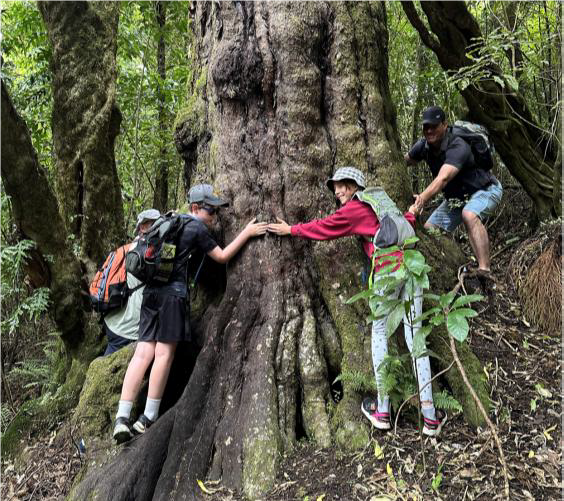
Blowhard Bush is a special piece of protected native bush surrounded mostly by working plantation forests. Regular predator control is carried out by our branch to protect the native wildlife and to help keep the reserve in it's natural state. This is an opportunity to see unusual rock formations, see and hear a variety of native birds, and come up close to forest giants.
When:
Sunday, 8th March
Times / Bookings:
Morning (short and medium walk options) - 10:15am briefing, preceding a 10:30am start
Afternoon (short and medium walk options) - 1:15pm briefing, preceding a 1:30pm start
Bookings for the guided walks must be made by Thursday, 5th March at the latest - the link to make a booking is at the end of this posting.
If you prefer to walk unguided you are welcome to come at any time.
Duration of walks:
Medium walk option 1.5 hours approx
Short walk option 30 - 45mins approx
Limited numbers:
The guided walks will be limited in numbers. First In, First Served
Children under 14yrs:
Must be accompanied by a responsible adult
Location:
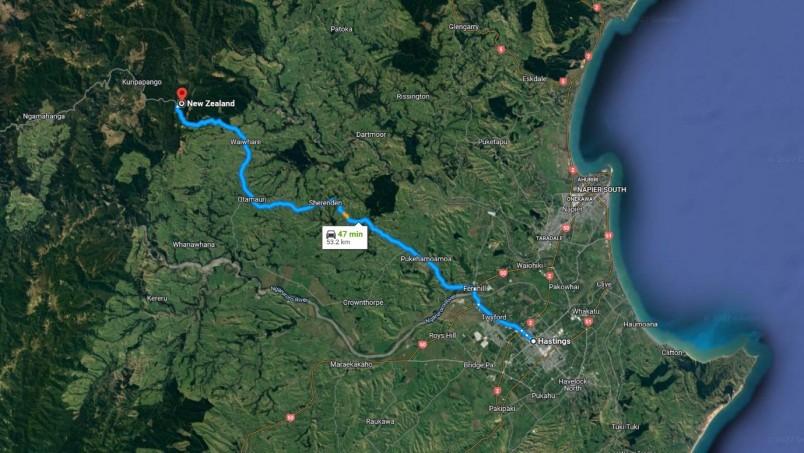
Lawrence Road, Waiwhare - approximately 50km from Hastings or Napier
Directions:
Travel west on Taihape Rd for 44kms, then turn right into Lawrence Rd. Lawrence Rd is about 3 km from the top of the hill. Blowhard Bush is 500m along Lawrence Rd. A map image is included in this posting. Please park on the right side of the road.
Travelling time:
Approximately 1 hour
What to bring:
A picnic lunch to have before or after the walk
Sturdy footwear with grippy soles
Warm clothing - temperature can be cooler than in town
Water
Snacks
Jacket
Sun hat/beanie
Sunscreen
What NOT to bring:
No dogs or other pets are allowed at Blowhard Bush, to ensure the protection of our natives species.
Bookings can be made from the link below:
forms.office.com......

Scam Alert: Bank cold calls
ASB is warning customers about reports of cold calls from scammers claiming to be from ASB. These scammers are trying to obtain personal information, including usernames, dates of birth, and verification codes sent to your mobile phone.
🛡️ The "Caller Check" Test
If you get a call from someone claiming to be from ASB and you’re unsure, just ask them for a Caller Check. You will then be able to verify the call through the app.
Remember, banks will:
❌ Never ask for your banking passwords, PINs, or verification codes
❌ Never need to know your full credit card number – especially the CVC
❌ Never ask you to download software or remotely access your device
❌ Never ask you to purchase gift cards or transfer funds.
If you have received a phone call and think your account has been compromised, call ASB on 0800 ASB FRAUD (0800 272 372), or visit your local branch.
 Loading…