




Council apologises for 'avoidable angst' caused by its handling of water scare
A review into the Dunedin City Council’s handling of a lead water issue in three Otago townships has been made public.
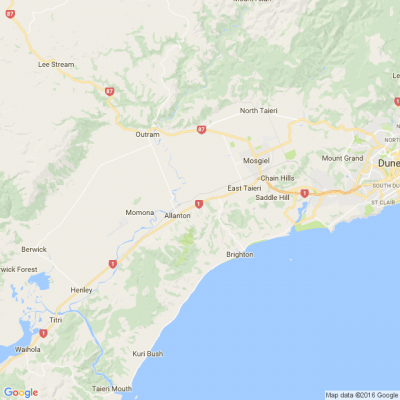
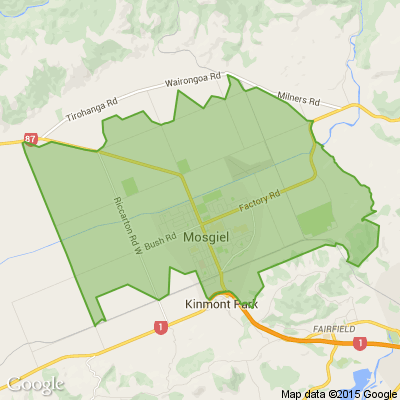
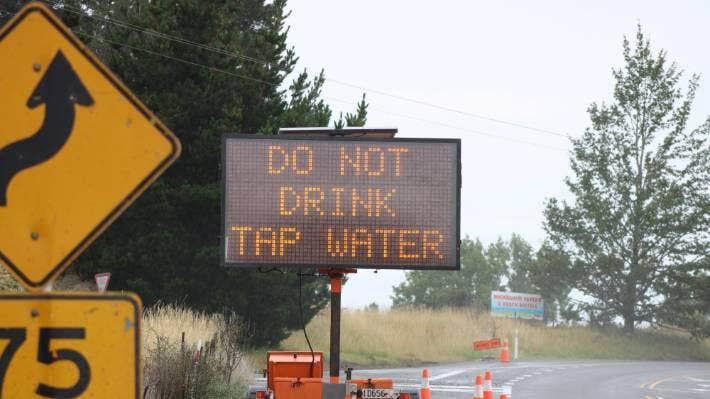
The “do not drink” notice for Waikouaiti, Karitane and Hawksbury Village was lifted in July after residents were caught up in a lead scare six months prior.
Residents were unable to use their tap water after elevated levels of lead were found in the water supply, operated by the council.
It was later revealed that there was no widespread lead contamination in the council’s drinking water network, but the elevated levels were likely caused by leaching from privately-owned pipes and fittings.
A report by independent reviewer Ross Tanner, which was released on Wednesday night, will be discussed at the Dunedin City Council next week.
The review identified problems with the council’s initial escalation and notification procedures, including a staff member going on leave before the elevated lead level reading was emailed to their inbox. It meant the council did not know about the reading for some time.
The report noted senior council management, including the chief executive, were blindsided as a major health response unfolded.
Their handling of the situation was compounded by an RNZ interview in which a senior manager incorrectly stated the elevated lead readings were four times the acceptable level, but this was later corrected to 40 times.
“Concern was expressed by the mayor, chief executive, and councillors to whom I spoke that as a consequence of this interview and the mistaken reference, the council had effectively ‘lost control of the (communications) narrative’ and never regained it,” Tanner wrote.
Dunedin mayor Aaron Hawkins said the council had acknowledged, and worked to rectify, areas of concern identified in the review.
Three of the five recommendations had already been implemented, and work on the other two was continuing.
“We accept the presence of elevated lead levels should have been escalated sooner, which would have allowed us to have this very serious conversation with our community sooner, as they deserved.
“This delay caused avoidable angst for our communities and I apologise on behalf of council that this happened.”
The welfare response from council staff, community board representatives and public health authorities was praised in the review.
That included providing temporary safe water tanks and free vegetables to residents in affected communities.

A reminder this hunting season
As thousands of hunters are making their plans for autumn – the Roar – recreational firearms groups are urging hunters to always be 100% sure of their targets.
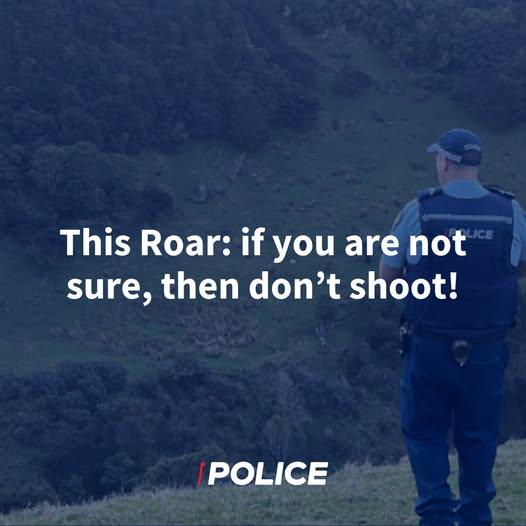
Te Tari Pureke - Firearms Safety Authority NZ, which chairs the Recreational Firearms Users Group, has begun a public information campaign reminding hunters everywhere of Rule #4 of the Firearms Safety Code: to identify their target beyond all doubt.
Director Communities and Corporate, Mike McIlraith, says there is an estimated 50,000-60,000 New Zealanders involved in big game animal hunting each year, and the Roar is the key event for many hunters each year.
“The Roar is a fantastic time of year for hunters to get out into the hills after a trophy animal but hunting safely and making sure everyone gets home in one piece, still must be the most important goal of every trip,” says Mike McIlraith.
“The consequences of not fully identifying your target beyond all doubt can be catastrophic. Our message to hunters is a really simple one: If you are not sure, then don’t shoot.”
Mike McIlraith says while hunting fatalities are thankfully rare, research has shown that misidentification of the target is the largest firearms related risk to New Zealand deer hunters, and 80% of the time this involves members of the same hunting group.
The Authority says hunters should not feel pressured to take a shot: “Instead, hunters should take the time to analyse their target, wait and see if it is a hind or stag, how old is the animal, how many points does its antlers have? Identifying your target means never firing at sound, shape, colour or movement alone.”
Mike McIlraith says good hunters will slow down, and run through some simple mental checks:
- Can I see the whole animal, or could this be another hunter?
- Where are my hunting companions – could this be them or someone else?
- How much of the animal can you see, if it is a hind or stag, how old is the animal, how - many points does its antlers have?
“Taking a little extra time to identify your target and check the firing zone is the key to safer hunting. No meat or no trophy is better than no mate,” he says.

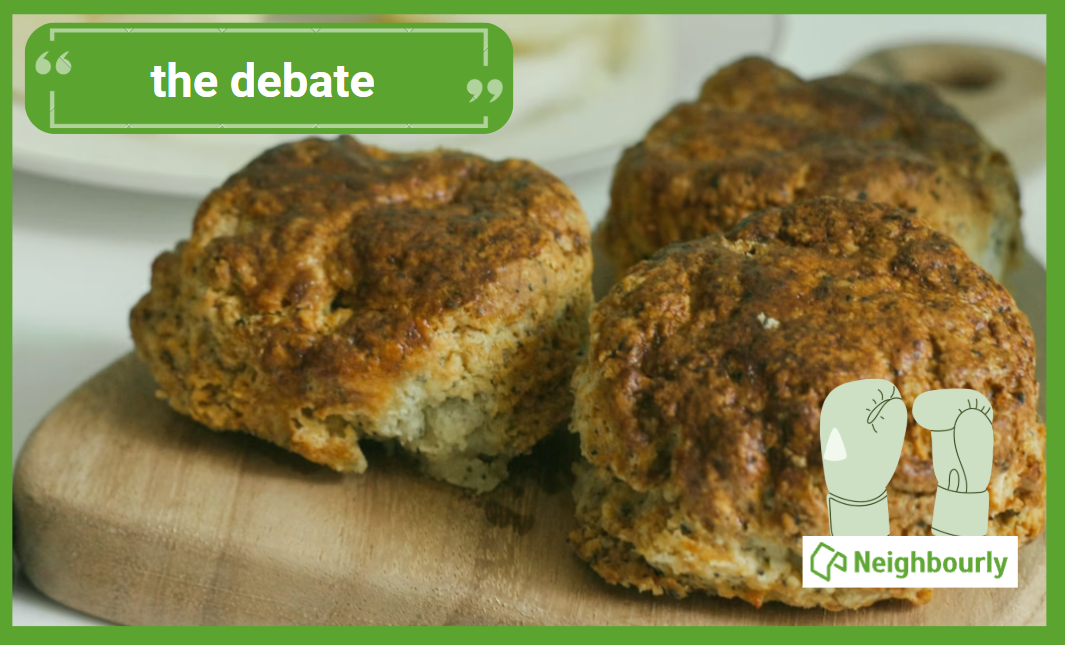
Poll: Does a savoury scone require cheese on top, or folded inside?
Help settle the great kiwi debate ... cheese on top, or folded inside?
-
76.5% Inside!
-
23.5% On top!

Don't overthink this riddle...
I have a silver sole
but no feet,
I make my living by bringing the heat.
What am I?
Do you think you know the answer? Simply 'Like' this post if you know the answer and the big reveal will be posted in the comments at 2pm on the day!
Want to stop seeing these in your newsfeed?
Head here and hover on the Following button on the top right of the page (and it will show Unfollow) and then click it. If it is giving you the option to Follow, then you've successfully unfollowed the Riddles page.
 Loading…