






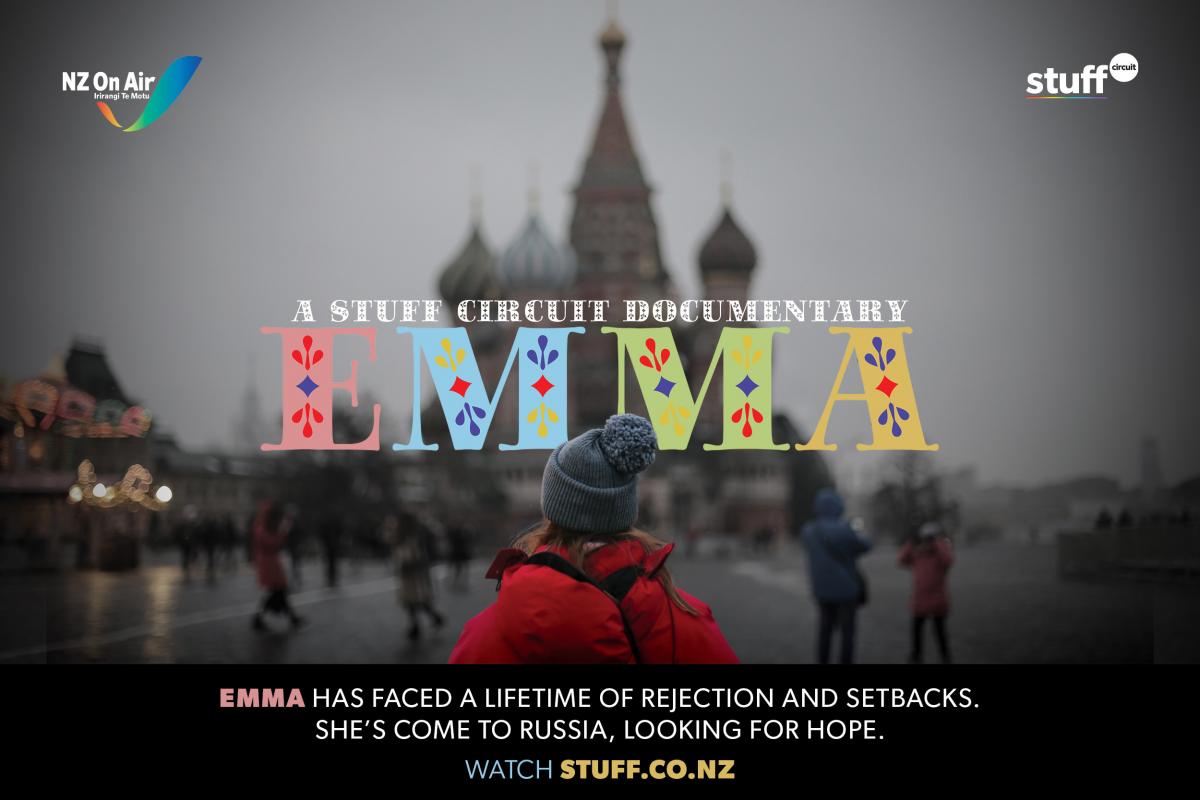
Watch Stuff Circuit’s new documentary, Emma
At two weeks old, Emma was left at an orphanage in Russia. After three years, Emma was adopted by a New Zealand family and brought here for a new life - but that didn’t work out how it was supposed to. Emma was diagnosed with foetal alcohol syndrome and reactive attachment disorder. Parenting her became a nightmare, and it ended in tragedy.
Emma has faced more challenges and rejections than most people could cope with. And now, she wants to take on the biggest challenge of her life - finding answers to those most fundamental questions: who am I? Where did I come from?

Brain Teaser of the Day 🧠✨ Can You Solve It? 🤔💬
Make a hearty dish. Take just half a minute. Add four parts of kestrel. Then just add one. What have you made?
(Trev from Silverdale kindly provided this head-scratcher ... thanks, Trev!)
Do you think you know the answer? Simply 'Like' this post and we'll post the answer in the comments below at 2pm on the day!
Want to stop seeing these in your newsfeed? No worries! Simply head here and click once on the Following button.

Poll: 🤖 What skills do you think give a CV the ultimate edge in a robot-filled workplace?
The Reserve Bank has shared some pretty blunt advice: there’s no such thing as a “safe” job anymore 🛟😑
Robots are stepping into repetitive roles in factories, plants and warehouses. AI is taking care of the admin tasks that once filled many mid-level office jobs.
We want to know: As the world evolves, what skills do you think give a CV the ultimate edge in a robot-filled workplace?
Want to read more? The Press has you covered!

-
52.7% Human-centred experience and communication
-
15.2% Critical thinking
-
29.5% Resilience and adaptability
-
2.6% Other - I will share below!

Boundaries of Adaptation - An exhibition by Nina Bulgakova
Boundaries of Adaptation
An exhibition by Nina Bulgakova
28 February - 18 March
Community Gallery Space - Franklin Arts Centre
Opening Event: Saturday 28 February, 10am
Adaptation is often understood as the ability to adjust to an environment, to accept its conditions and become less visible within it. In this body of work, the focus shifts to a different moment, the point at which adaptation reaches its limit and begins to form a boundary.
This boundary is not a gesture of refusal or isolation. It appears as a need to define how interaction with the outside world takes place. Not to shut it out, but to stay in contact while maintaining a sense of stability. Here, the boundary is not an opposition, but a way of reaching agreement.
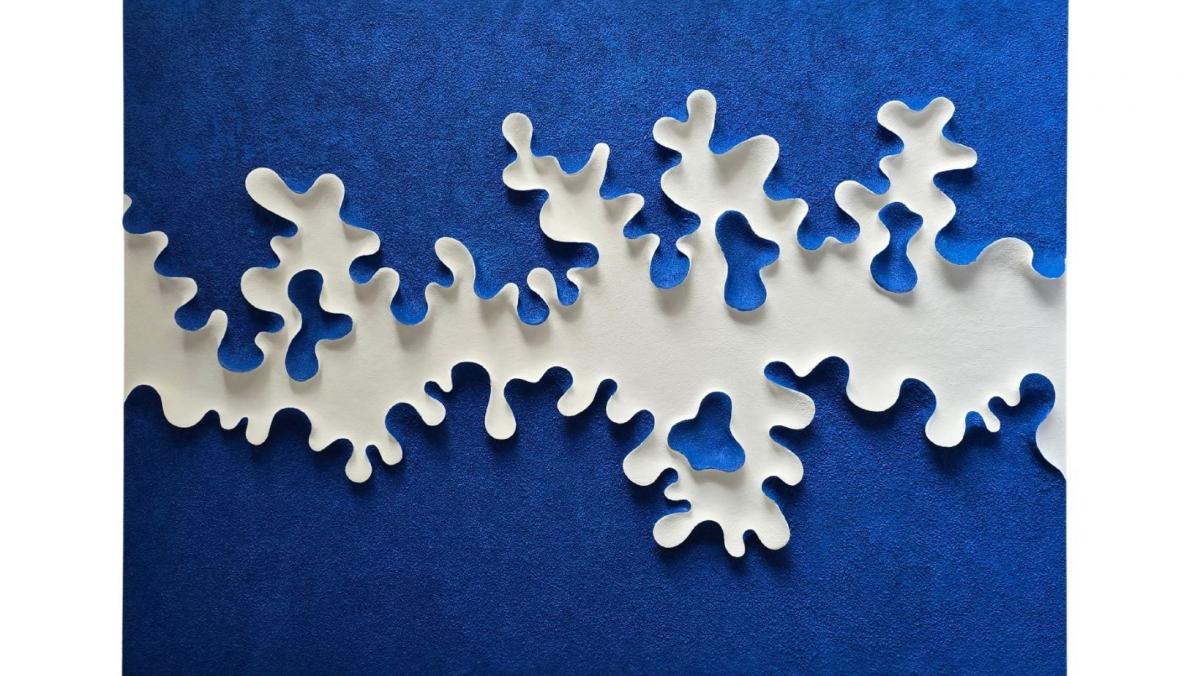
The works take the form of wall-mounted sculptural objects, where the boundary becomes material and physically present. Within these objects, it is expressed through weight, density, surface, and tension of form, shifting from an abstract idea into a direct experience.
 Loading…