






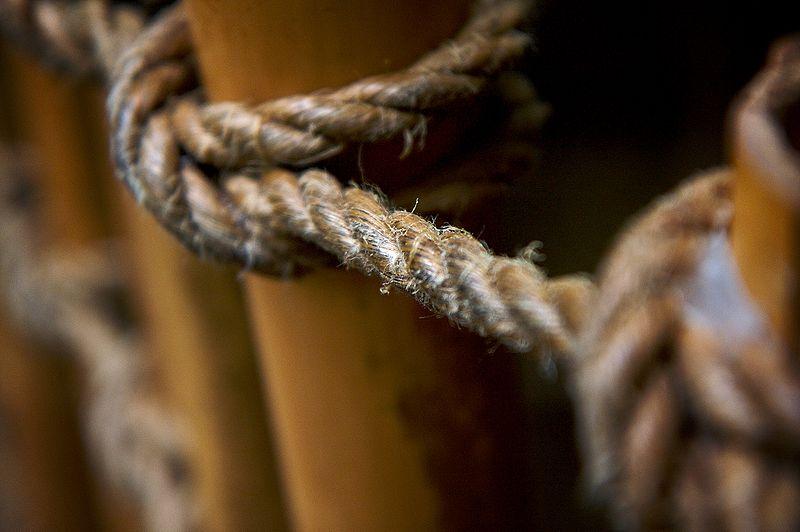
How to Make Hemp Rope
Knowing how to make rope was once a critical skill for survival and self-sufficiency on the frontier. Early settlers were able to make rope from a variety of materials, but the main thing they used was hemp.
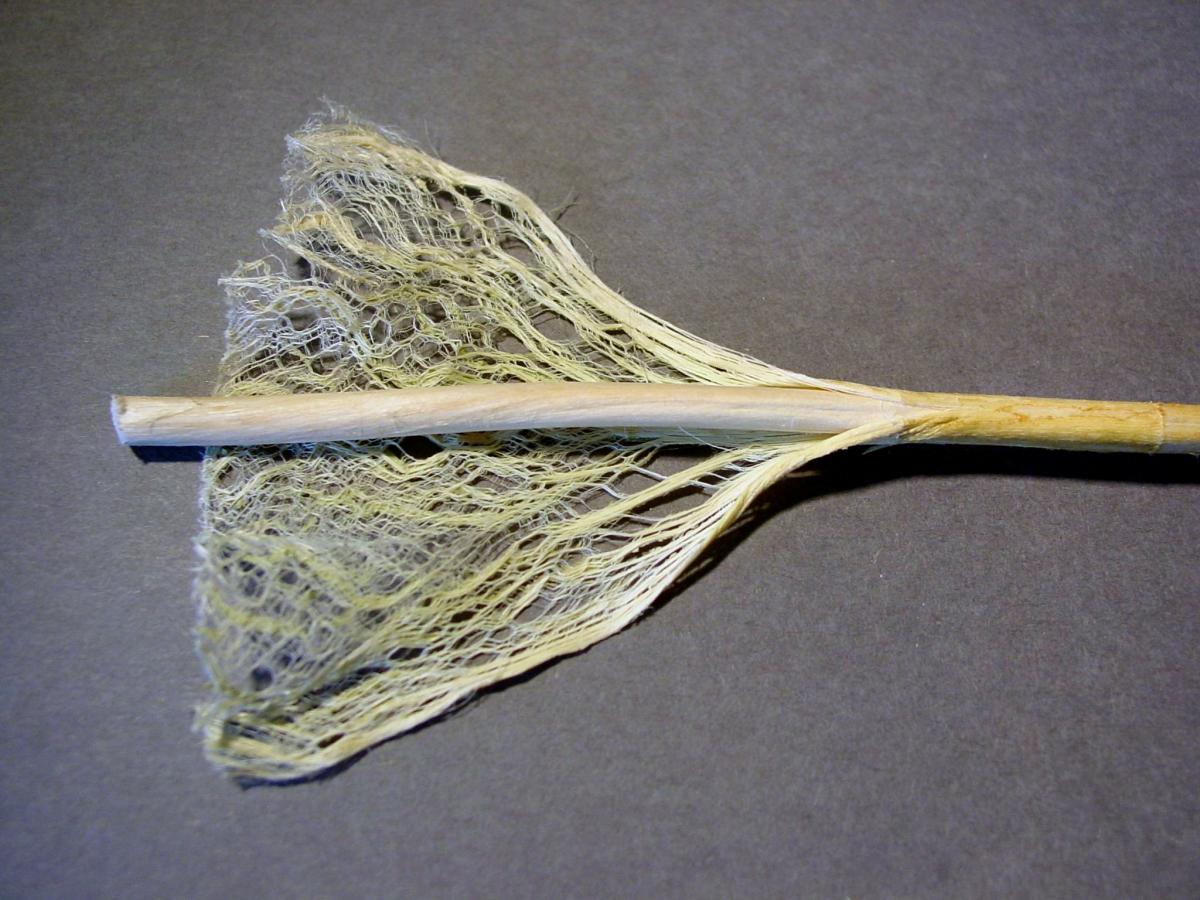
A rapid growing plant, hemp is perfect for making rope. Hemp grows fast. It produces up to 75 tons of dry matter per acre per year. It thrives in poor soil, needs no fertilizers or pesticides to succeed, and gobbles up atmospheric CO2, stymieing the greenhouse effect. It produces more fibre per pound than either cotton or flax, and these fibres are easily extracted in order to make hemp rope, twine, or cord.
Hemp rope is easy to make. Some methods involve using a rope machine, but fortunately such an investment isn’t necessary to the process. All you really need is some hemp fibre or hemp twine, and a short piece of wooden dowel. Our hemp rope maker, available in our shop, will really streamline the process for you if you plan on making lots of hemp rope.
Step one: Separate the hemp fibres or unwind the hemp yarn and cut into lengths approximately twice as long as the desired length of the rope. Continue cutting until you have a bundle of fibres approximately half the size of the diameter of rope you’d like to make.
Step two: Grab the bundle of fibres and fold it in half, securing the fold by placing a dowel rod through the resultant loop and into the ground. Smooth the fibres of this bundle down by running your hand along the length of the cord.
Step three: Divide the bundle in two, holding half the fibres in your left hand and half the fibres in your right.
Step four: Twist each bundle clockwise until the cord you are creating begins to kink and loop. Pull as hard as you can while twisting.
Step five: Twist the two cords together, wrapping one over the other in a counter clockwise motion, to form a rope.
Step six: Secure the ends with overhand knots beginning with the end in your hands. Once the first end is tightly tied, slip the rope off the dowel rod and tie it as well.
To make a cable, repeat steps 2 through 6 and twist the two ropes together. This process can be repeated as many times as you like, making thicker, stronger cables as you go.
Enjoy making your own hemp rope! This technique can be used to make hemp twine, hemp cord. and hemp yarn as well. It all depends on the size of the fibres you start with. Need some ideas for what to do with your newly made hemp rope? Try using a piece as a clothesline, for air-drying your clothes. Make a hemp leash for your pet, or keep your hemp twine petite for use in jewellery making.
Making rope is a great way to be self-sufficient and eliminate the supply chain requirement. Everything you can make yourself is one less packaged product– in this case, one less coil of synthetic rope– that needs to be manufactured for you. Have fun!

Poll: Are you still heading to your local for your caffeine fix, or has the $$ changed your habits? ☕
Wellington’s identity is built on its cafe culture, but with costs climbing, that culture is under pressure. We’ve seen the headlines about recent closures, and it’s a tough pill to swallow along with a $6+ coffee.
We all want our favourite spots to stay open, but we also have to balance our own budgets ⚖️
We want to know: How are you handling the "coffee math" in 2026? Are you still heading to your local for a chat and a caffeine fix, or has the cost of living changed your habits?
Keen to read more about "coffee math"? The Post has you covered.

-
45.7% I avoid spending money on coffee
-
42.3% I still indulge at my local cafe
-
12% Irrelevant - coffee is not for me

🌉🛶 Early Birds Might Crack This One First… or Not? 🥚🧠
A person is crossing a bridge and sees a boat full of people, yet there isn't a single person on board.
How is this possible?
(Susan from Massey kindly provided this head-scratcher ... thanks, Susan!)
Do you think you know the answer? Simply 'Like' this post if you know the answer and the big reveal will be posted in the comments at 2pm on the day!
Want to stop seeing these in your newsfeed?
Head here and hover on the Following button on the top right of the page (and it will show Unfollow) and then click it. If it is giving you the option to Follow, then you've successfully unfollowed the Riddles page.

🪱🐦 When are you the most productive? 🌙🦉
The Post has been diving into our daily habits, and research suggests being an early bird or a night owl isn’t just a choice—it’s biology! We all have that specific time when our brains finally "click" into gear.
This raises a big question for the modern workplace. To get the best out of everyone, should employers accommodate our natural body clocks? This idea is at the heart of the four-day work week and flexible scheduling movements.
We want to hear from you:
1. When does your brain "click" into gear?
2. Would a flexible (or shortened) schedule change the way you work?

 Loading…