







Is Laundry Stripping as Good as it Looks?
Laundry day makes your home feel fresh and clean. But maybe not quite as clean as you think.
Laundry stripping is a deep-cleaning trend that has been sweeping the internet for the past several months. The method claims to clean the built-up residues from the fibres of textiles.
The TikTok user who started the trend soaked her freshly-laundered towels in warm water with a regular laundry detergent, washing soda, and borax – and the water turned dark brown.
The video prompted many of us to wonder whether we’ve been unwittingly nestling into dirty linens our entire lives. Home cleaning enthusiasts have since tried the technique on everything from clothes to rugs and second-hand couch covers.
What laundry stripping does is soak out any leftover detergent, fabric softener, minerals and natural body oils that have collected on the fabric over time. But some cleaning experts say it's unnecessary and brings out more dye than dirt.
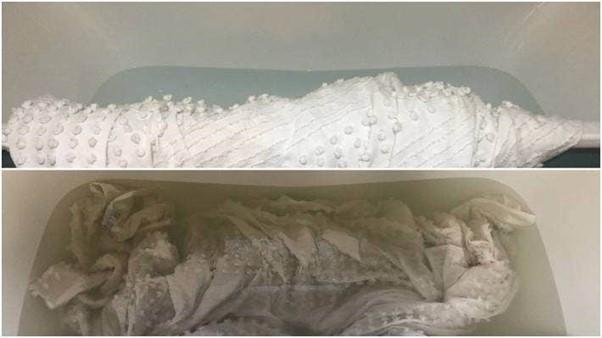
So, I decided to test it out on a white duvet cover. I clean my sheets weekly and duvet cover once every couple of months. As a general rule, someone who sleeps in make-up and eats in bed as frequently as I do, shouldn't have white linens. But as a basic white woman in her mid-20s, fashion dictates I must.
The duvet appeared pretty white before going into the laundry strip. The strip wash recipe called for a 1:1:2 ratio mixture of borax, washing soda (sodium carbonate) and laundry detergent.
Borax is available at hardware stores and pharmacists, and the other ingredients you can find in the supermarket.
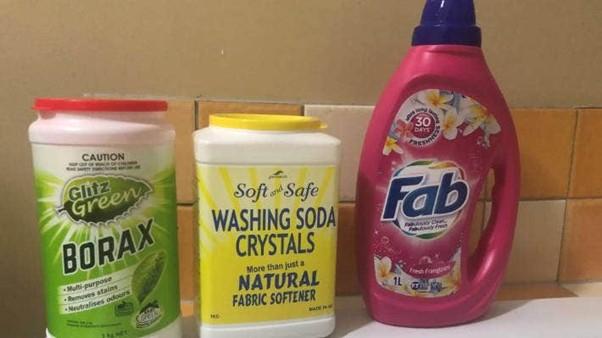
What I used:
- Greenwoods Washing Soda Crystals: ($4.99 from Countdown)
- Fab laundry liquid Frangipani 1L ($6.00 from Countdown)
- Borax ($10.99 from Bunnings)
To strip laundry, combine borax, washing soda and a regular laundry detergent in a 1:1:2 ratio in hot water.
Keep reading: www.curtainclean.co.nz...

Poll: Should the government levy industries that contribute to financial hardship?
As reported in the Post, there’s a $30 million funding gap in financial mentoring. This has led to services closing and mentors stepping in unpaid just to keep helping people in need 🪙💰🪙
One proposed solution? Small levies on industries that profit from financial hardship — like banks, casinos, and similar companies.
So we want to hear what you think:
Should the government ask these industries to contribute?

-
0% Yes, supporting people is important!
-
0% No, individuals should take responsibility
-
0% ... It is complicated

A Neighbourly Riddle! Don’t Overthink It… Or Do?😜
Do you think you know the answer? Simply 'Like' this post if you know the answer and the big reveal will be posted in the comments at 2pm on the day!
If you multiply this number by any other number, the answer will always be the same. What number is this?

Poll: As a customer, what do you think about automation?
The Press investigates the growing reliance on your unpaid labour.
Automation (or the “unpaid shift”) is often described as efficient ... but it tends to benefit employers more than consumers.
We want to know: What do you think about automation?
Are you for, or against?
-
9.6% For. Self-service is less frustrating and convenient.
-
43.4% I want to be able to choose.
-
47% Against. I want to deal with people.
 Loading…