





Speed reduction reversal welcomed by West Coast
By local democracy reporter Brendon McMahon:
Blanket speed reductions across West Coast roads will be rolled back by the end of the year with the Government announcing a new timeline ending the 'road to zero' safety campaign.
Transport Minister Simeon Brown confirmed the current "untargeted approach" to speed settings would go when the new Land Transport Policy is signed off by the end of the year.
The blanket speed setting rollback will include council controlled roads and the State Highway network.
Brown said the previous 'road to zero' policy had resulted in blanket speed limit reductions rather than targeting high crash areas.
Now, economic impact - including travel time - and the views of local communities and road users will have to be considered alongside safety in setting speed limits.
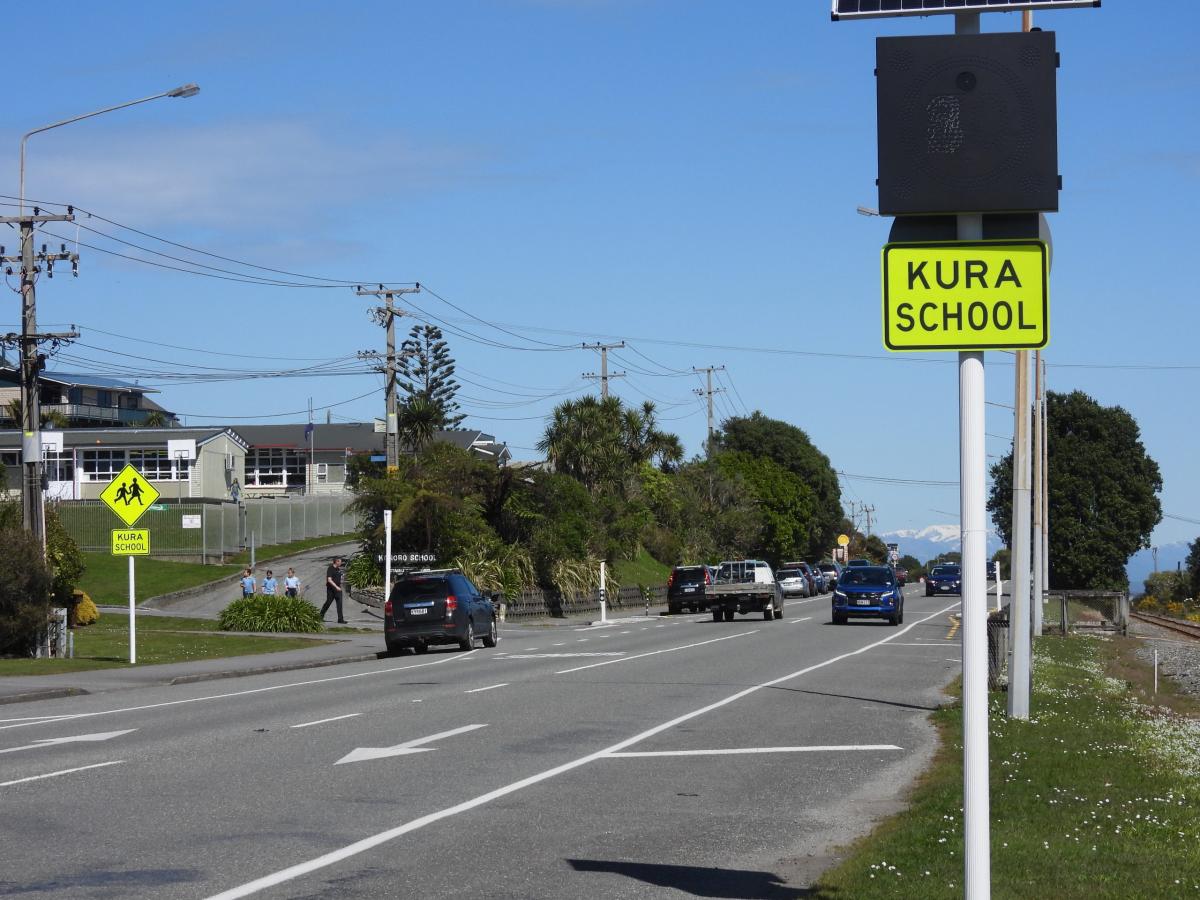
Variable speed limits outside schools during pickup and drop-off times would remain; speeds of 110kph will be allowed on some roads "of national significance".
In January the West Coast Regional Transport Committee (RTC) decided to press ahead with its proposed speed management plan anyway.
That was despite the minister's directive in December to stop speed reduction work.
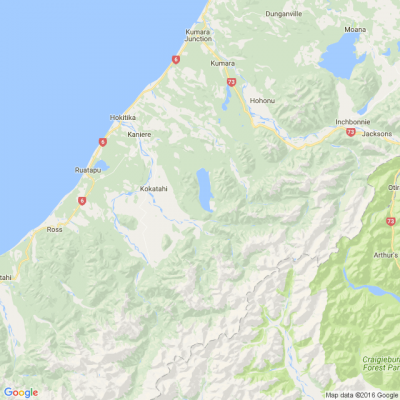
The now released West Coast Regional Speed Management Plan, which closes for public submissions on April 16, focuses only on local roads and school zones in the region.
Transport consultant Matthew Noon told the January RTC meeting the regional speed management approach was supported by the three district council road control authorities, "not withstanding the changes".
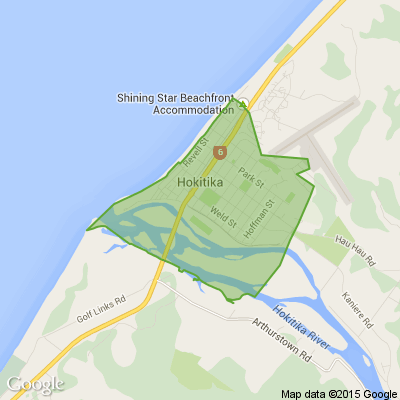
The draft plan includes blanket speed reductions to 30kph across the entire villages of Blackball and Moana, however, the region's state highway network was excluded.
Greymouth mayor Tania Gibson on Friday welcomed the rollback after previously expressing "shock and horror" at the implications of proposed blanket speed reductions in the region.
"It's good that this has been rolled back … we were pretty appalled. We were not happy at all and would have fought what was proposed to us," Gibson said.
The focus on school speed zones "and keeping kids safe" was the right priority while the proposed 30kph limit across Moana had come out of community advocacy, she said.
However, she said the rationale for the Blackball proposal was less clear.
"Blackball is the one that was discussed that may be contentious but we will be listening very closely to their views … I believe the proposals have gone too far," Gibson said.
West Coast Transport Committee chairperson Peter Ewen said local communities should be having a say in setting speed and welcomed the new approach.
He said it was in contrast to a top down approach where the blanket speed reductions had come down "as a decree".
The region needed meaningful input at a local level although it was unclear yet what role the RTC would play, Ewen said.
"If you want to take anything forward with speeds, you've got to take the local community with you. The blanket speed thing, that's what got people's backs up," he said.
Brown's office told LDR the mechanism to bring local communities and road user views into the conversation under the proposed policy is still being developed.
West Coast Road Safety coordinator Glenys Byrne said they endorse the conversations around proposed speed limit changes on the West Coast.
"In particular it is good that the councils have committed to improving the safety of our tamariki by proposing to reduce all the speed limits around their schools," Byrne said.
However, she said there needed to be a wider conversation about road safety.
"We know that there are more crashes within our networks than what gets officially recorded and many of these are a direct result of inappropriate speed," she said.

Poll: Should the government levy industries that contribute to financial hardship?
As reported in the Post, there’s a $30 million funding gap in financial mentoring. This has led to services closing and mentors stepping in unpaid just to keep helping people in need 🪙💰🪙
One proposed solution? Small levies on industries that profit from financial hardship — like banks, casinos, and similar companies.
So we want to hear what you think:
Should the government ask these industries to contribute?

-
59.6% Yes, supporting people is important!
-
26% No, individuals should take responsibility
-
14.4% ... It is complicated

A Neighbourly Riddle! Don’t Overthink It… Or Do?😜
Do you think you know the answer? Simply 'Like' this post if you know the answer and the big reveal will be posted in the comments at 2pm on the day!
If you multiply this number by any other number, the answer will always be the same. What number is this?


Have you got New Zealand's best shed? Show us and win!
Once again, Resene and NZ Gardener are on the hunt for New Zealand’s best shed! Send in the photos and the stories behind your man caves, she sheds, clever upcycled spaces, potty potting sheds and colourful chicken coops. The Resene Shed of the Year 2026 winner receives $1000 Resene ColorShop voucher, a $908 large Vegepod Starter Pack and a one-year subscription to NZ Gardener. To enter, tell us in writing (no more than 500 words) why your garden shed is New Zealand’s best, and send up to five high-quality photos by email to mailbox@nzgardener.co.nz. Entries close February 23, 2026.

 Loading…