





No toxic algal blooms detected yet despite warmer West Coast sea
By local democracy reporter Brendon McMahon
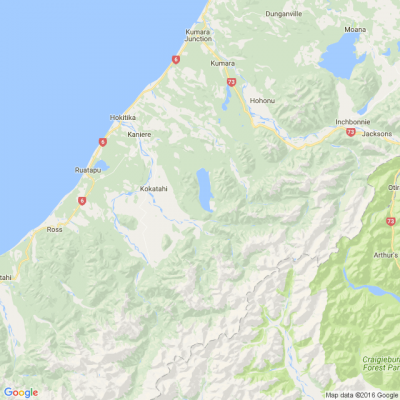
No toxic algal blooms have been detected in shellfish off the West Coast this summer, despite the warmer ocean temperatures caused by the marine heatwave.
Long stretches of the northern West Coast shoreline were closed to shellfish gathering for much of the first half of the 2000s due to periodic algal blooms.
MetService has said surface temperatures may reach 6C higher
than normal off the West Coast this
week.
However, algal blooms have not been detected off the West Coast for about five years.
Staff at both the West Coast Regional Council and West Coast Community and Public Health said regular testing was now being conducted via MPI.
"There's no issue at this stage but they are investigating," West Coast Regional Council science team leader Jonny Horrix said.
"I guess the assumption is no news is good news."
They would act on any adverse test results showing danger to human health from consuming affected shellfish.
New Zealand Food Safety deputy director-general Vincent Arbuckle said they currently had two regular shellfish sampling sites on the West Coast — both linked to popular gathering spots.
This was where mussels were collected and tested for toxins resulting from algal blooms.
"Cape Foulwind and Twelve Mile Beach have been in operation for some time and were chosen due to their location and popularity for shellfish gathering along this stretch of coast," he said.
Testing is done fortnightly all year round and the mussels are analysed for diarrhetic shellfish toxins and paralytic shellfish toxins.
"There have been no elevated test results recently."
Arbuckle said should toxins be detected above the regulatory limit, NZ Food Safety would issue a public health warning, advising against the gathering of shellfish in the relevant area.
"Warning signs will also be erected along the affected coastline."
* Public interest journalism funded through NZ On Air

Poll: Should the government levy industries that contribute to financial hardship?
As reported in the Post, there’s a $30 million funding gap in financial mentoring. This has led to services closing and mentors stepping in unpaid just to keep helping people in need 🪙💰🪙
One proposed solution? Small levies on industries that profit from financial hardship — like banks, casinos, and similar companies.
So we want to hear what you think:
Should the government ask these industries to contribute?

-
60.1% Yes, supporting people is important!
-
25.7% No, individuals should take responsibility
-
14.3% ... It is complicated

A Neighbourly Riddle! Don’t Overthink It… Or Do?😜
Do you think you know the answer? Simply 'Like' this post if you know the answer and the big reveal will be posted in the comments at 2pm on the day!
If you multiply this number by any other number, the answer will always be the same. What number is this?


Have you got New Zealand's best shed? Show us and win!
Once again, Resene and NZ Gardener are on the hunt for New Zealand’s best shed! Send in the photos and the stories behind your man caves, she sheds, clever upcycled spaces, potty potting sheds and colourful chicken coops. The Resene Shed of the Year 2026 winner receives $1000 Resene ColorShop voucher, a $908 large Vegepod Starter Pack and a one-year subscription to NZ Gardener. To enter, tell us in writing (no more than 500 words) why your garden shed is New Zealand’s best, and send up to five high-quality photos by email to mailbox@nzgardener.co.nz. Entries close February 23, 2026.
 Loading…