





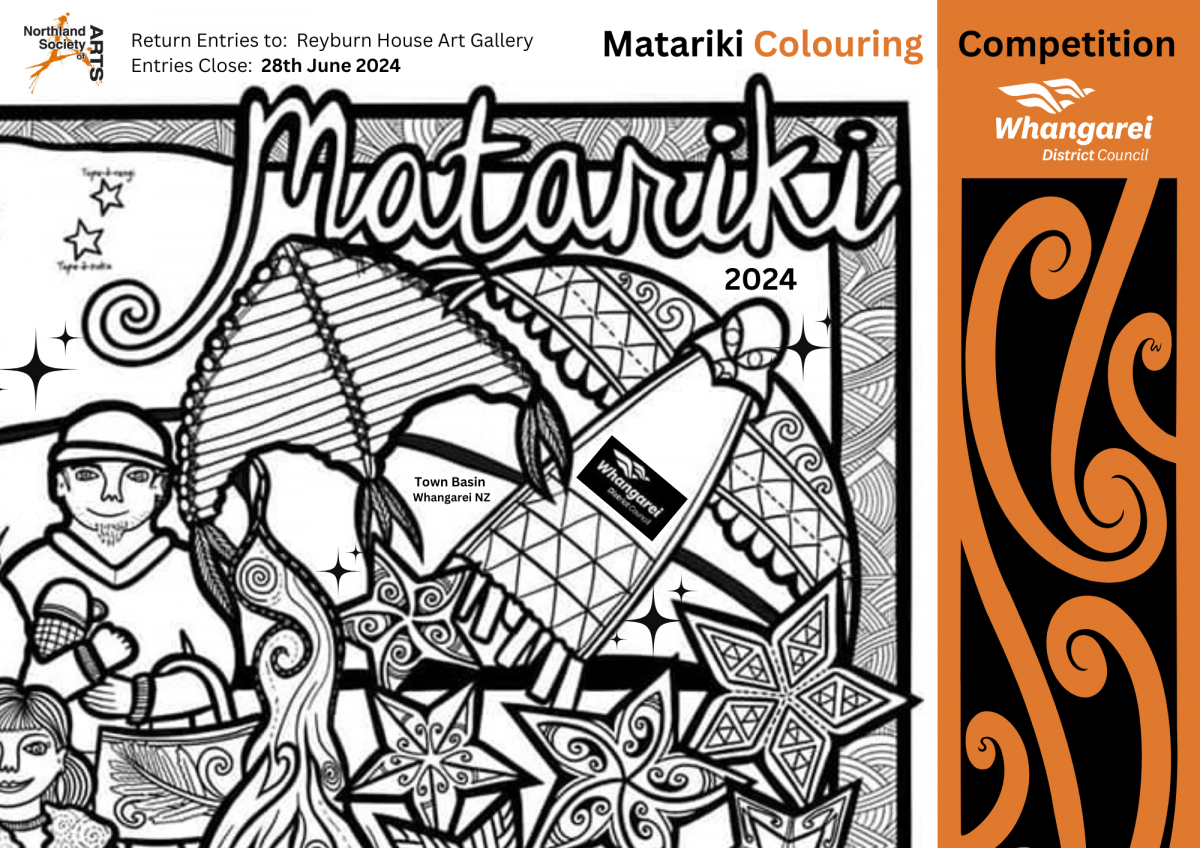
MATARIKI COLOURING COMPETITION for Reyburn House closes 28 June 2024
Tena koutou,
Thank you to everyone that joined and participated for our 2024 Matariki Community Events at Reyburn House. Thank you to all our volunteers, Northland Society of Arts (NSA) supporters, Reyburn House staff, Matariki Artists, sponsors and community. Also to our hardworking Reyburn House Manager Rebecca Cunliffe a big thank you.
This is a friendly reminder that the Matariki Colouring Competition closes Friday 28th June 2024.
Link: www.reyburnhouse.co.nz...
For those of you who would like to know more or do not know a great deal about Matariki:
The Matariki celebration is essentially based around 3 major principles,
1: Remembrance – Honouring those we have lost since the last rising of Matariki
2: Celebrating the present – Gathering together to give thanks for what we have
3: Looking to the future – Looking forward to the promise of a New Year
Remembrance: The re-appearance of Matariki in the morning sky during mid-winter coincided with a traditional ceremony called ‘whāngai i te hautapu.’ During this ceremony food was cooked and offered to the different stars of Matariki while karakia (incantations) were conducted. The first part of this ceremony was dedicated to the dead of the year, honouring those who had died since the last rising of Matariki. The names of the dead were called out during the ceremony and people would weep for their loved ones. One traditional belief states that Matariki carries the dead of the year across the night sky, and upon the return of Matariki in the winter sky, the star cluster is released from its burden. When the names of the deceased were called out, Māori believed the spirits of the dead became stars in the sky. This process also helped to release the emotional burdens and cultural responsibilities Māori had with the dead.
Celebrating the present: Following on from the formal ‘whāngai i te hautapu’ ceremony, Matariki was a period of celebration and festivities. Communities and whānau would gather together to give thanks for all the blessings of the past year, and to reconnect with each other. Mid-winter was a time of rest and relaxation for Māori. The food storage pits and houses were full, and the busy harvest season was over. Food and feasting was a central element in Matariki, and people came together to share the fruits of the harvest. Other forms of celebration included music, dance, art and spending time with one another.
Looking to the future: Matariki was a time where communities and whānau would come together to plan for the impending season. They discussed at length their hopes and desires, concerns and fears and they decided upon how they would approach various activities in the New Year. It was a time of learning, sharing, discussion and decision making. One of the key points of discussion during Matariki was the environment, especially the health of the environment. Māori understood that their lives depended on them maintaining a strong connection to the physical world and caring for nature.
Values
There are a number of key values that were associated with Matariki and the Māori New Year celebrations.
There values are;
Aroha – Love and respect for one another
Whakamaumaharatanga – Remembrance
Kotahitanga – Unity
Manaakitanga – Caring
Tohatoha – Sharing
Mana Taiao – Environmental awareness
Kaihaukai – Feasting
Wānanga – Discussion
Noho tahi – Coming together
Ngākau Atawhai – Kindness
Whakanui – Celebrations
Tuakiritanga – Identity

Poll: Should we ditch daylight saving? 🕰️
First introduced in New Zealand in 1927 with the passing of the Summer Time Act, it's what we know as 'Daylight Saving' and this year it ends on the first Sunday in April.
While we do get to sleep in this time around, some people would like to scrap the clock tinkering for good.
And why? Some evidence suggests the time changes are bad for our health as they mess with sleep patterns leading to short-term fatigue and affecting mood. Meanwhile the hour change is frustrating for farmers and a nightmare for getting the littlies to sleep. But what's your take?

-
36.6% Yes - get rid of the clock changes
-
62.6% No, I enjoy it
-
0.8% Other - I'll share below
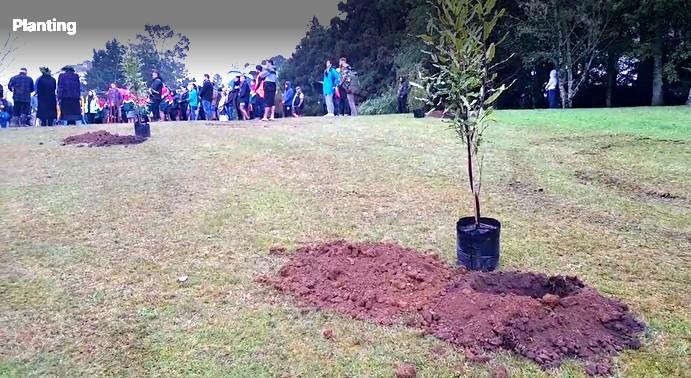
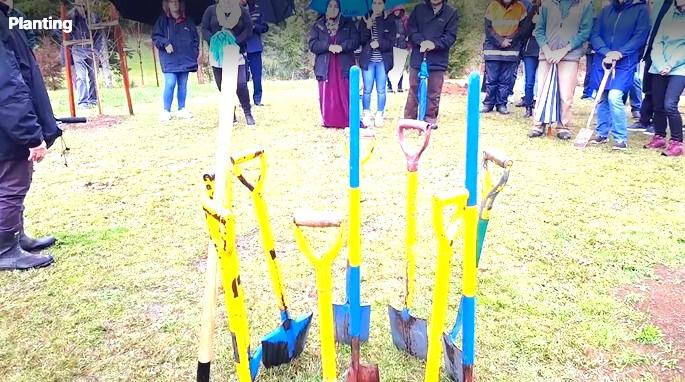
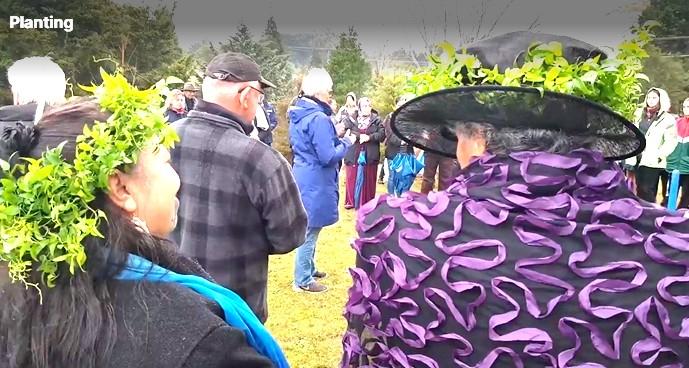
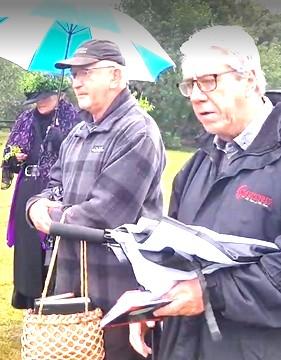
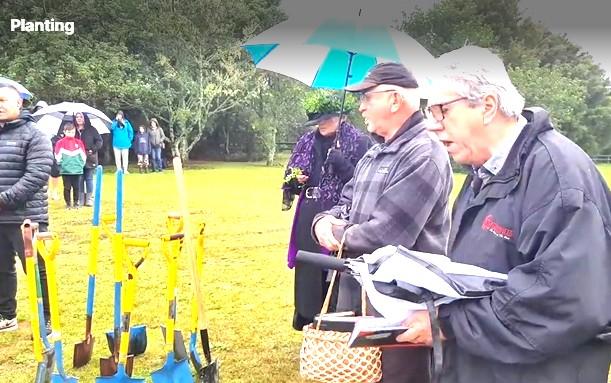
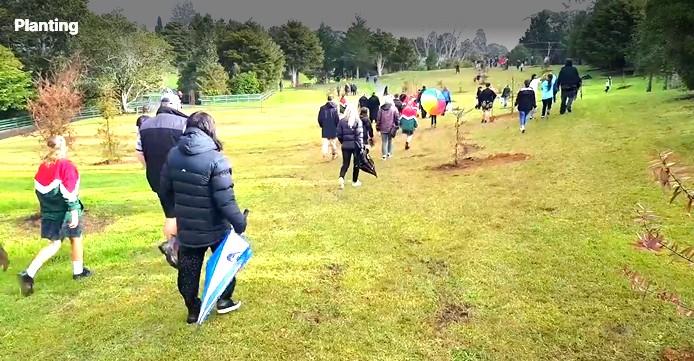
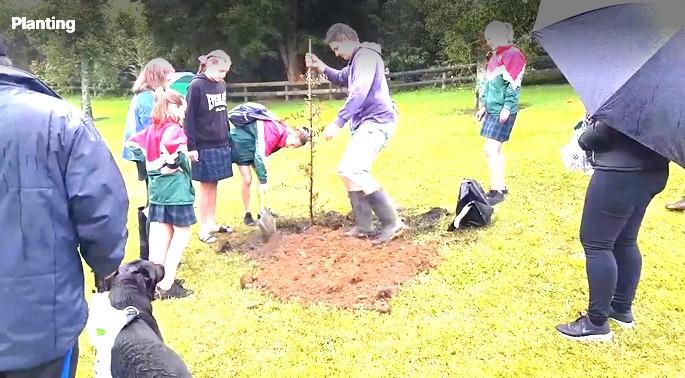
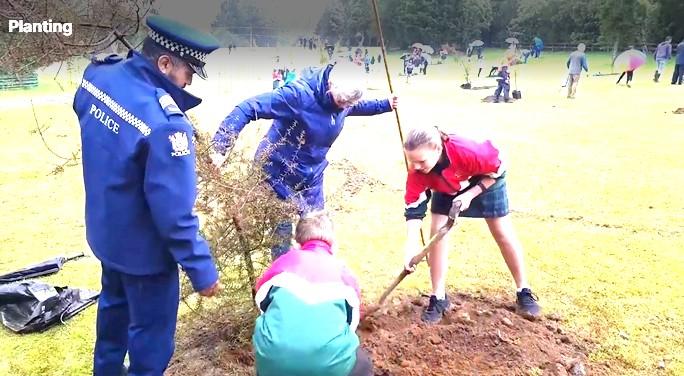
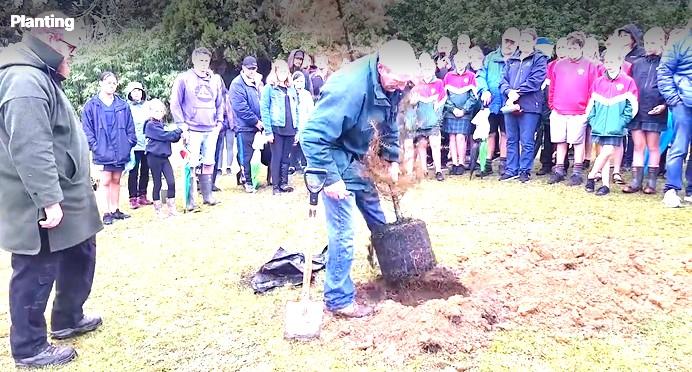
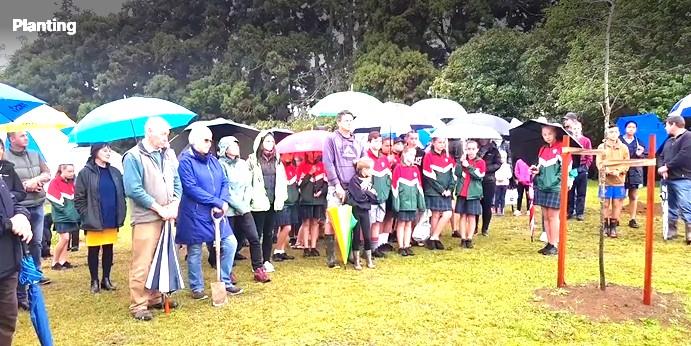
Remembering the 51 Trees planted at Whangarei Falls, Tikipunga
1 July 2019
School children, parents and teachers, local maori Hapu members and Kuia & Kaumatua were among more than 100 people who together planted 51 trees in Whangārei to honour the victims of the Christchurch mosque shootings.
The idea for the planting of native trees to remember those who lost their lives in the March attacks came from a student.
Poll: Does a savoury scone require cheese on top, or folded inside?
Help settle the great kiwi debate ... cheese on top, or folded inside?

-
76.3% Inside!
-
23.7% On top!
 Loading…