





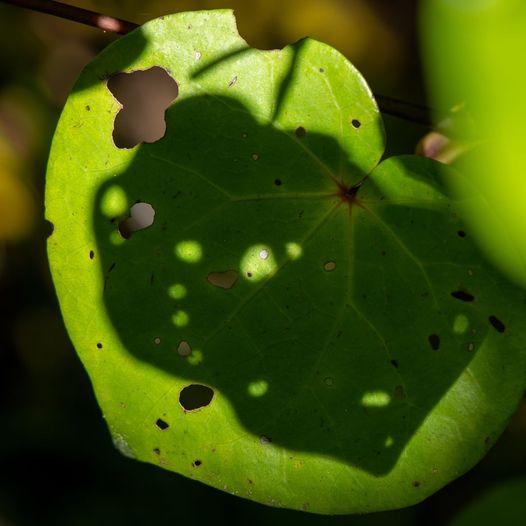
Have you noticed the holes in the leaves of kawakawa?
Don't be deterred! Those holes were made by the hungry caterpillars of the kawakawa looper moth.
Research suggests that chewed leaves actually have more active compounds.
Kawakawa is a powerful plant that supports your whole body! Which is why we use it in a range of our products.
We use kawakawa in our Wild Dispensary Golden Skin Oil to support healthy skin and skin repair.
Our Wild Dispensary Chest Tonic contains kawakawa to add to this formula's respiratory supporting actions.
However you choose to use it, we're very lucky to have this beautiful native.
Did you know this about the holes??
- Wild Dispensary.
Wild Dispensary is available at Naturally Health.
In Store and On Line
www.naturallyhealthy.co.nz...
#testimonica #naturallyhealthy #buylocal
- always take as directed.

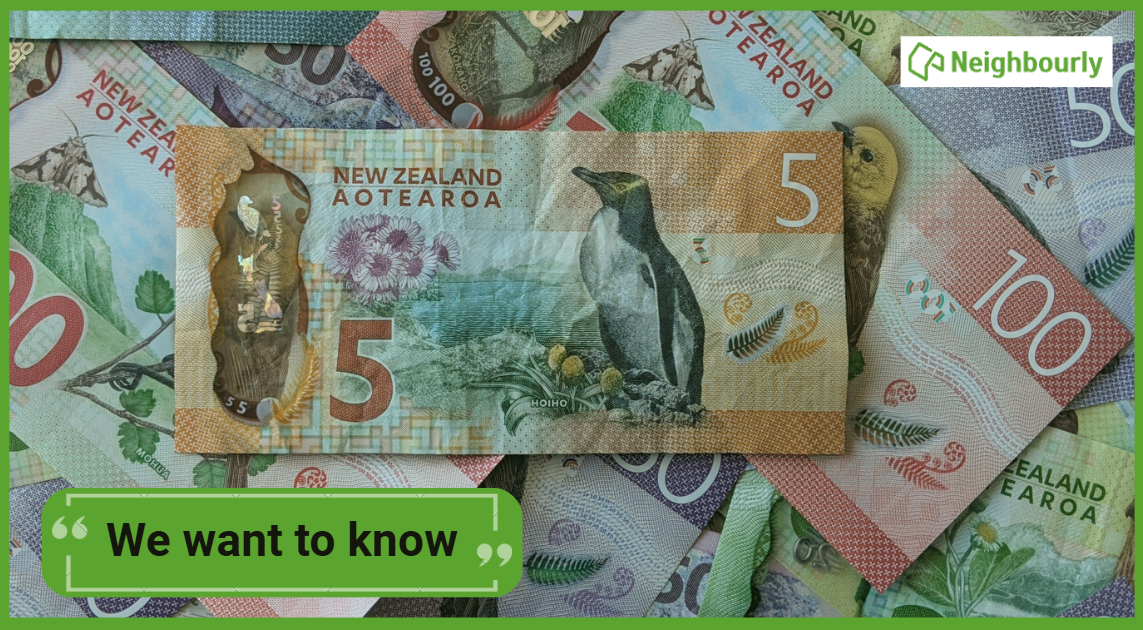
Poll: Should the government levy industries that contribute to financial hardship?
As reported in the Post, there’s a $30 million funding gap in financial mentoring. This has led to services closing and mentors stepping in unpaid just to keep helping people in need 🪙💰🪙
One proposed solution? Small levies on industries that profit from financial hardship — like banks, casinos, and similar companies.
So we want to hear what you think:
Should the government ask these industries to contribute?
-
60.8% Yes, supporting people is important!
-
23.5% No, individuals should take responsibility
-
15.7% ... It is complicated

Hamilton woman’s $50 flax roses are helping her family get by
Marama Wade sits outside her River Rd home selling harakeke roses for $50, trying to keep food on the table and the rent paid.
The 54-year-old said the reason she’s out there is simple, especially with Valentine’s Day approaching.
“We’re broke. The reality is life is hard.”

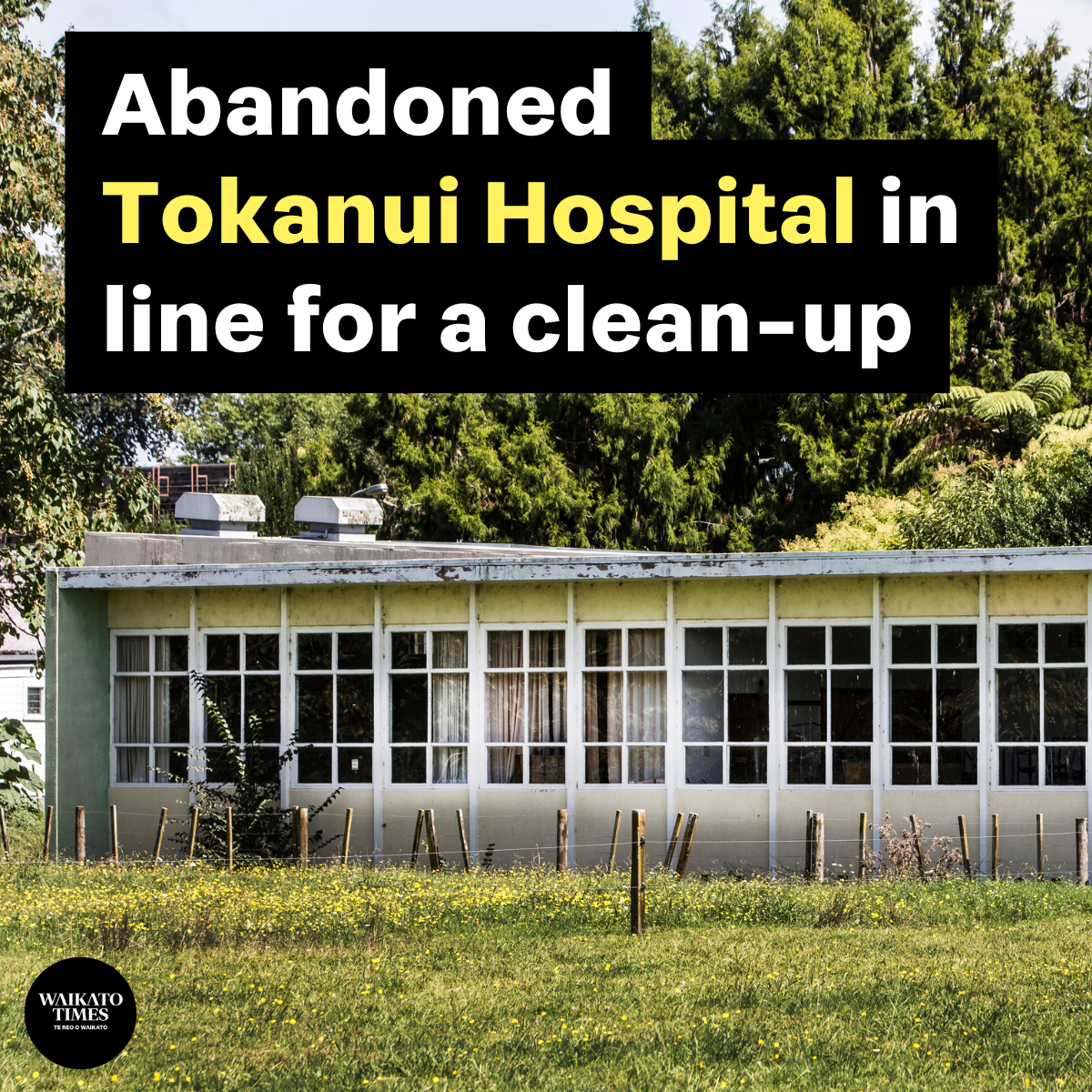
Derelict Tokanui Hospital site in line for a clean-up
Derelict Tokanui Hospital buildings will be demolished and contaminated land cleaned up so the site can be offered back to iwi.
The former psychiatric hospital, southeast of Te Awamutu, sits on land taken from Ngāti Maniapoto under the Public Works Act in 1910.
 Loading…