




THE IMPORTANCE OF GOOD FUNCTIONING BRAKES
"You gotta have good brakes. If you have good brakes you can keep yourself out of a lotta trouble".
Brakes should be regularly inspected, at Clarksun Automotive Ltd we recommend having your vehicle test driven to see how the brake system works. Then a visual inspection, measuring pad and shoe thickness, check for even shoe and pad wear, check rotors for run out and hot spots, check hardware to make sure it is working properly and is also adjusted properly. Make sure wheel cylinders, brake lines and brake master cylinder are not leaking, inspect calipers for wear, free movement and fluid leaks, and check the level and condition of the brake fluid. Inspect proper routing and placement of the brake and antilock brake sensors.
All of these components need to be in good shape and working properly for the vehicle to have 100% brake system effectiveness while driving. For instance, did you know brake fluid is hydroscopic (meaning it absorbs moisture from the atmosphere). Brake fluid with high moisture content can corrode the system from the inside out and boil causing brake fade or failure.
If experiencing any of the following issues get immediate mechanical attention- low or spongy brake pedal, constant squealing or grinding brake noise, brake warning light on dash, vibrations or clunking noises when applying brakes.
We recommend having your brake system checked with each engine Service or at least every 6 months or 10,000 k's.
If you're wondering a Warrant of Fitness (W.O.F) inspection will check the performance of the brakes on the day, but it is not an invasive inspection so nothing is dismantled to monitor their wear or indicate how long the components are likely to last. It's up to the individual to ensure their vehicle is routinely maintained.

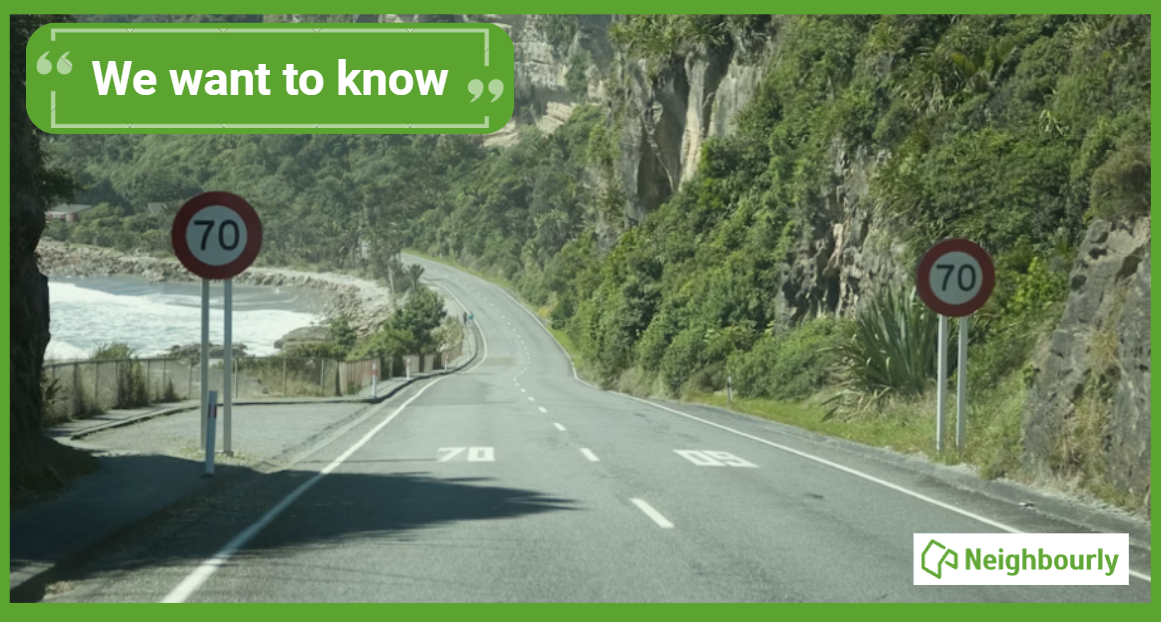
Poll: If we want to reduce speeding, what do you think actually changes driver behaviour? 🛻🚨🚓
In the Post's article on speeding penalties, the question is asked whether speeding fines are truly about road safety, or are they just a way to boost revenue for the Crown?
What do you think? Should speeding motorists receive speeding fines or demerit points?
-
37.8% The sting of a fine (Money talks!)
-
62.2% The threat of demerit points (Nobody wants to lose their license!)

Some Choice News!
DOC is rolling out a new tool to help figure out what to tackle first when it comes to protecting our threatened species and the things putting them at risk.
Why does this matter? As Nikki Macdonald from The Post points out, we’re a country with around 4,400 threatened species. With limited time and funding, conservation has always meant making tough calls about what gets attention first.
For the first time, DOC has put real numbers around what it would take to do everything needed to properly safeguard our unique natural environment. The new BioInvest tool shows the scale of the challenge: 310,177 actions across 28,007 sites.
Now that we can see the full picture, it brings the big question into focus: how much do we, as Kiwis, truly value protecting nature — and what are we prepared to invest to make it happen?
We hope this brings a smile!


🎉 Riddle me this, legends! 🎉
He/She who makes it, sells it.
He/She who buys it, doesn't use it.
The user doesn't know they are using it.
What is it?
(Shezz from Ngāruawāhia kindly provided this head-scratcher ... thanks, Shezz!)
Do you think you know the answer? Simply 'Like' this post if you know the answer and the big reveal will be posted in the comments at 2pm on the day!
Want to stop seeing these in your newsfeed?
Head here and hover on the Following button on the top right of the page (and it will show Unfollow) and then click it. If it is giving you the option to Follow, then you've successfully unfollowed the Riddles page.

 Loading…