




Eye research needs vision
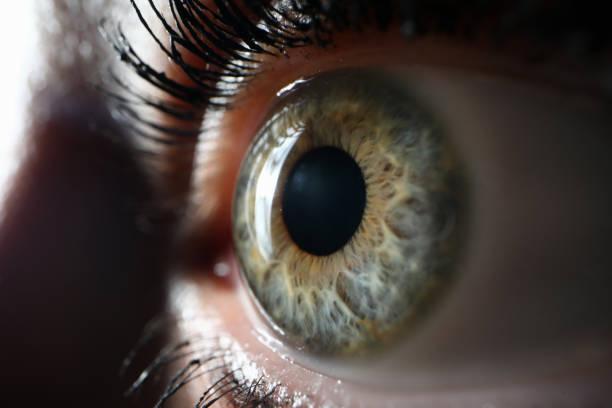
Research into eyes and eyesight in Aotearoa-New Zealand needs to be visionary.
Which is why the new Vision Research Foundation New Zealand (VRF) has been established – to move beyond the safe and incremental, to attract the funding and knowledge needed to make life-changing discoveries, and to unlock the potential medical talent shut out by inequity.
Professor Helen Danesh-Meyer founded the Foundation as a charitable trust in 2022 and is now its Scientific Director.
It was established with the support of a generous philanthropist and has since started to attract direct donations and bequests. Now the VRF has set up a philanthropic investment fund at Momentum Waikato, which is open for public donations from anywhere.
“We are at a time when technology is developing faster than most research ideas,” says Helen.
“The Vision Research Foundation is therefore aimed at using those rapidly developing technological advances to disrupt traditional modes of eye care and research.
“Our philosophy is that by challenging established paradigms we can make transformative discoveries in vision science."

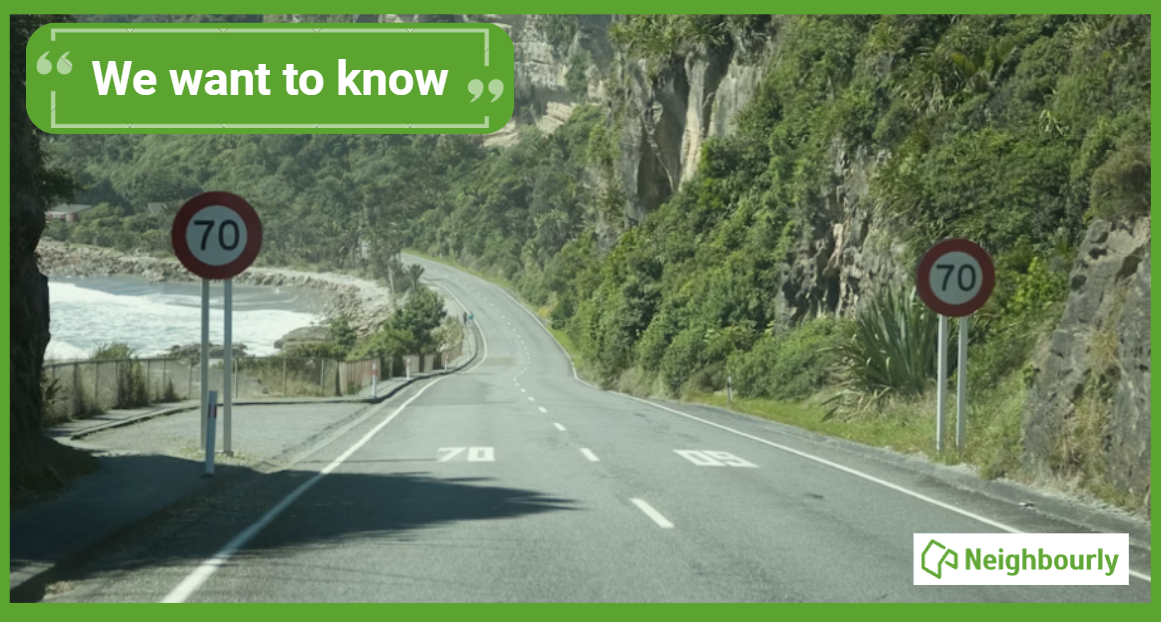
Poll: If we want to reduce speeding, what do you think actually changes driver behaviour? 🛻🚨🚓
In the Post's article on speeding penalties, the question is asked whether speeding fines are truly about road safety, or are they just a way to boost revenue for the Crown?
What do you think? Should speeding motorists receive speeding fines or demerit points?
-
37.5% The sting of a fine (Money talks!)
-
62.5% The threat of demerit points (Nobody wants to lose their license!)

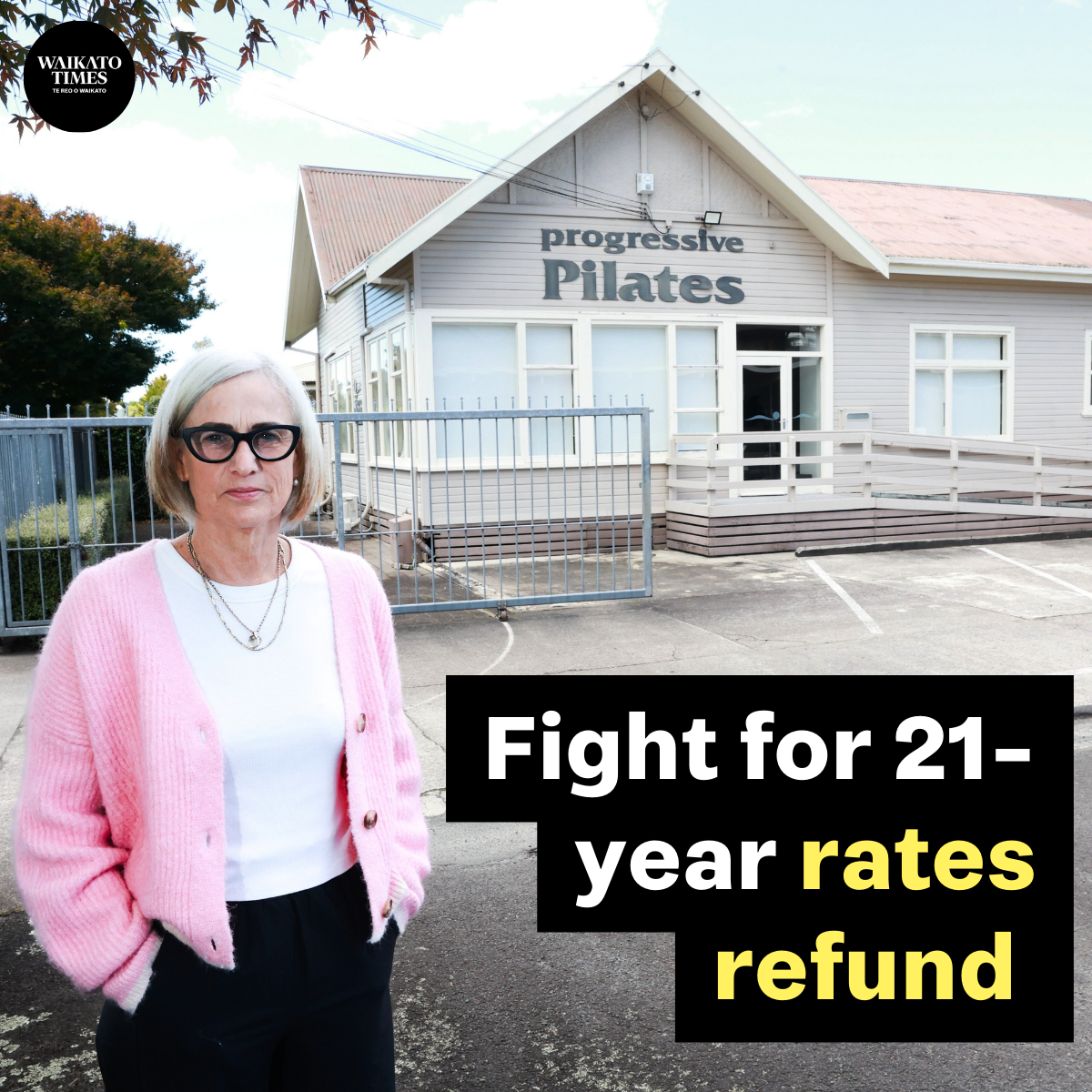
Hamilton woman fights for 21-year rates refund after council admits mistake
A pilates studio owner whose rates were overcharged for 21 years is fighting to get the money refunded by the city council.
Progressive Pilates owner Sonia Lidington estimated she had paid an extra $20,000 over the years, but Hamilton City Council has said it can only refund her $7416.

Some Choice News!
DOC is rolling out a new tool to help figure out what to tackle first when it comes to protecting our threatened species and the things putting them at risk.
Why does this matter? As Nikki Macdonald from The Post points out, we’re a country with around 4,400 threatened species. With limited time and funding, conservation has always meant making tough calls about what gets attention first.
For the first time, DOC has put real numbers around what it would take to do everything needed to properly safeguard our unique natural environment. The new BioInvest tool shows the scale of the challenge: 310,177 actions across 28,007 sites.
Now that we can see the full picture, it brings the big question into focus: how much do we, as Kiwis, truly value protecting nature — and what are we prepared to invest to make it happen?
We hope this brings a smile!

 Loading…