





A Celebration of Respiration…
The purpose of our respiratory system is to supply oxygen to our bodies and expel carbon dioxide. We all understand that and we notice pretty quickly when it’s not going well – shortness of breath, struggling to exhale, coughing, tiredness, lack of sleep and/or continual waking are some of the symptoms.
To help slow down the lung aging process it’s important that we:
Breathe in clean air, indoor and outdoor - trying to reduce things like household cleaning chemicals and exposure to pollution
Exercise often to build the lungs and heart (which are muscles), even if it’s just gently – a walk or yoga is fantastic
Eat lung-healthy foods and beverages such as fresh fruit and vegetables and catechin rich green teas.
www.naturallyhealthy.co.nz...


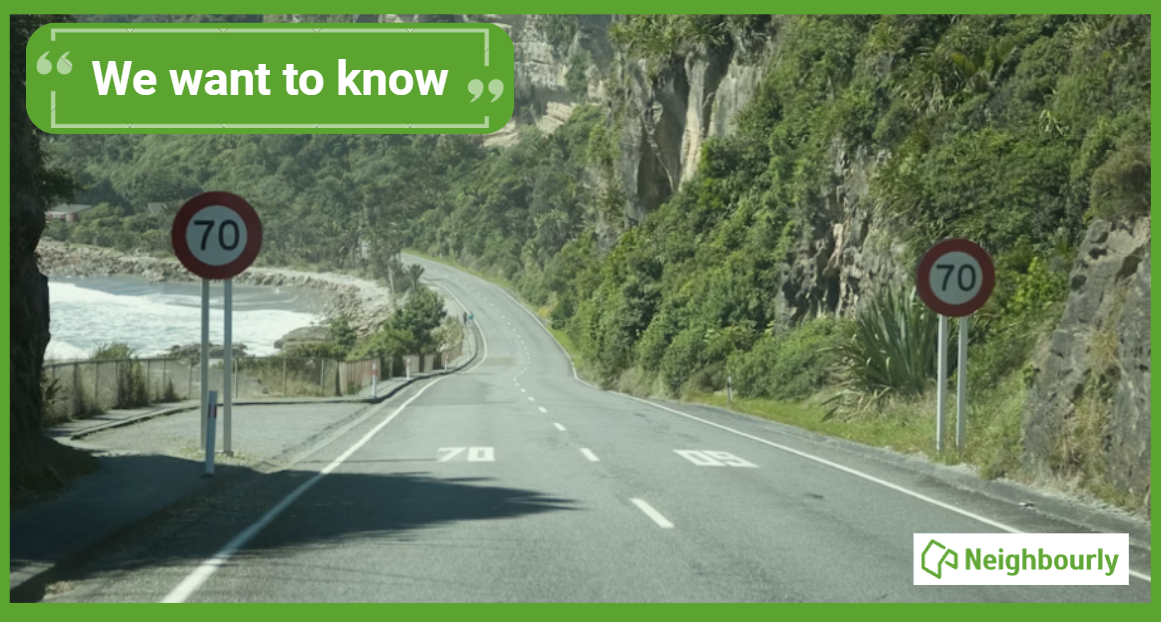
Poll: If we want to reduce speeding, what do you think actually changes driver behaviour? 🛻🚨🚓
In the Post's article on speeding penalties, the question is asked whether speeding fines are truly about road safety, or are they just a way to boost revenue for the Crown?
What do you think? Should speeding motorists receive speeding fines or demerit points?
-
37.8% The sting of a fine (Money talks!)
-
62.2% The threat of demerit points (Nobody wants to lose their license!)

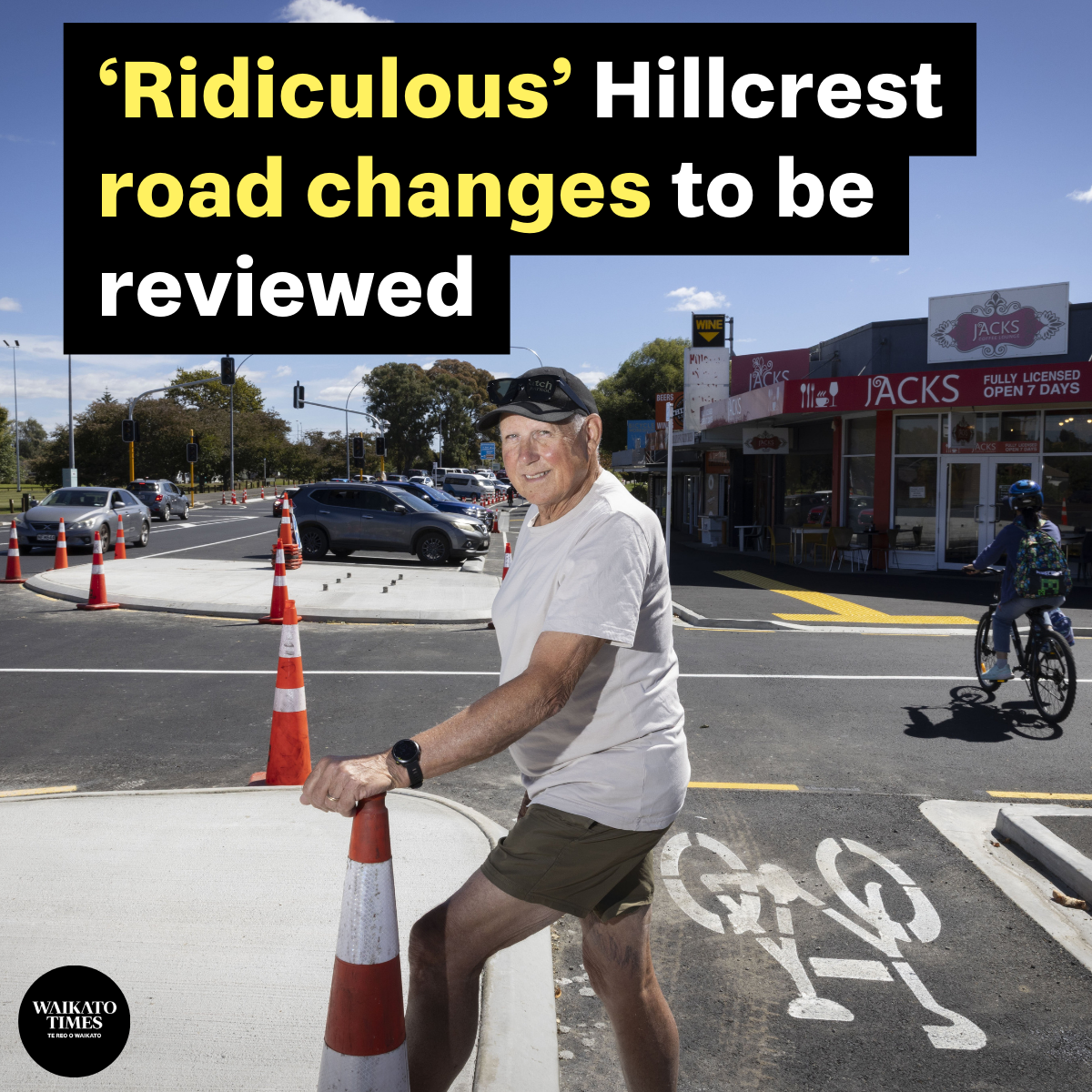
Have you been through Hillcrest recently?
Changes to a busy road in Hillcrest are being reviewed before they’re even finished after they “horrified” residents and shop-owners.
Local Murray Brown’s up in arms about the new layout on Cambridge Rd. Parking spaces have disappeared near Hillcrest Stadium and nearby shops, and he says the configuration leaves drivers backing out of parking spaces into oncoming traffic that they can’t see - which includes trucks and double-decker buses.
Have you been through Hillcrest recently? Tell us what you thought of the changes in the comments (adding NFP if you don't want your words used in print).

Some Choice News!
DOC is rolling out a new tool to help figure out what to tackle first when it comes to protecting our threatened species and the things putting them at risk.
Why does this matter? As Nikki Macdonald from The Post points out, we’re a country with around 4,400 threatened species. With limited time and funding, conservation has always meant making tough calls about what gets attention first.
For the first time, DOC has put real numbers around what it would take to do everything needed to properly safeguard our unique natural environment. The new BioInvest tool shows the scale of the challenge: 310,177 actions across 28,007 sites.
Now that we can see the full picture, it brings the big question into focus: how much do we, as Kiwis, truly value protecting nature — and what are we prepared to invest to make it happen?
We hope this brings a smile!

 Loading…