






Kolorex & Horopito - its hero ingredient
New Zealand’s indigenous flora was used historically by Māori and through Rongoā Māori – traditional Māori medicine and healing – we learn the traditional use of our plants which today are corroborated with decades of research. It continues to fascinate me how we are provided with the medicinal plants we require for optimal health in the environments we reside. Today I want to highlight one particular plant called Pseudowintera colorata, or Horopito as it is more commonly known.
Horopito is an evergreen shrub/small tree with elliptic leaves often splattered with red – not only do they look spicy but they taste peppery too leaving a wee bit of a burning sensation in the mouth. Nothing to cry about though! As you will learn further down, it is this peppery element lending to its therapeutic benefits.
It is the spicy leaves of Horopito that we use medicinally. Traditionally, Māori used Horopito leaves to treat fungal skin infections such as ringworm, and other skin conditions. Māori also used the leaves to help those with diarrhoea and stomach pain. Other traditional uses of Horopito include chewing on the leaves for toothache and steeped leaves taken internally to act as an analgesic (pain killer). Today we know the main action of Horopito is anti-fungal with many years of research-backed evidence to verify this. Other beneficial actions may include anti-bacterial, anti-viral, anti-inflammatory and antiseptic.
The leaves contain tannins, flavonoids and volatile/essential oils. One of these volatile oils, specifically a sesquiterpene dialdehyde, exhibits the well documented fungicidal action listed above. This constituent is called polygodial and is the main biologically active constituent of Horopito.
Polygodial is produced by the plant itself to help combat attack by fungi. It is this very compound that shows extensive anti-fungal activity in humans too, especially against the yeast Candida albicans. See here for further information and studies on this: www.kolorex.com...
Interestingly, the inhibition of fungal growth by Horopito was shown to be stronger and faster acting when compared against a common anti-fungal pharmaceutical preparation amphotericin B, but without the side effects.
An imbalance of the gut and vaginal microbiome can seem rather common nowadays, especially with our stressful lifestyles and suboptimal diets high in refined carbohydrates and sugar. C. albicans is normally found in a healthy gut; it only causes problems when individuals are immunocompromised for whatever reason, causing an ‘overgrowth’ which is known as candidiasis.
A common naturopathic approach to assist those with candidiasis may include the following steps:
– Identify and address underlying and predisposing factors
– Follow an anti-candida diet (little-no refined carbohydrates and sugar among other dietary measures)
– Provide nutritional and herbal supplemental support
– Support and enhance immune system function
– Support and promote detoxification and elimination organs
In relation to women’s health, C. albicans can overpopulate the vaginal flora when other beneficial bacteria are low causing conditions such as thrush. Thrush is unfortunately a common condition experience regularly by some women. Horopito may be used successfully for cases of thrush, both orally and externally. A 2013 study by Chopra, V et al found Horopito to be “equally as effective as itraconazole (a pharmaceutical anti-fungal medication) for the overall treatment of recurrent vaginal thrush.” When used topically for thrush Horopito is in a preparation with other soothing ingredients to help avoid a burning sensation, so don’t worry! Another fungal condition Horopito may be used topically for is athlete’s foot.
With the well-researched benefits of Horopito, in particular for fungal conditions, it is an excellent herb to have in our tool box as a natural health practitioner. We are lucky to have continued access to this powerful ancient herb used by our ancestors.
Source:Ashly Olsen is a Naturopath and Natural Fertility Educator based in Mount Maunganui, New Zealand.


Hamilton woman’s $50 flax roses are helping her family get by
Marama Wade sits outside her River Rd home selling harakeke roses for $50, trying to keep food on the table and the rent paid.
The 54-year-old said the reason she’s out there is simple, especially with Valentine’s Day approaching.
“We’re broke. The reality is life is hard.”


Poll: Should the government levy industries that contribute to financial hardship?
As reported in the Post, there’s a $30 million funding gap in financial mentoring. This has led to services closing and mentors stepping in unpaid just to keep helping people in need 🪙💰🪙
One proposed solution? Small levies on industries that profit from financial hardship — like banks, casinos, and similar companies.
So we want to hear what you think:
Should the government ask these industries to contribute?

-
60.8% Yes, supporting people is important!
-
23.5% No, individuals should take responsibility
-
15.7% ... It is complicated
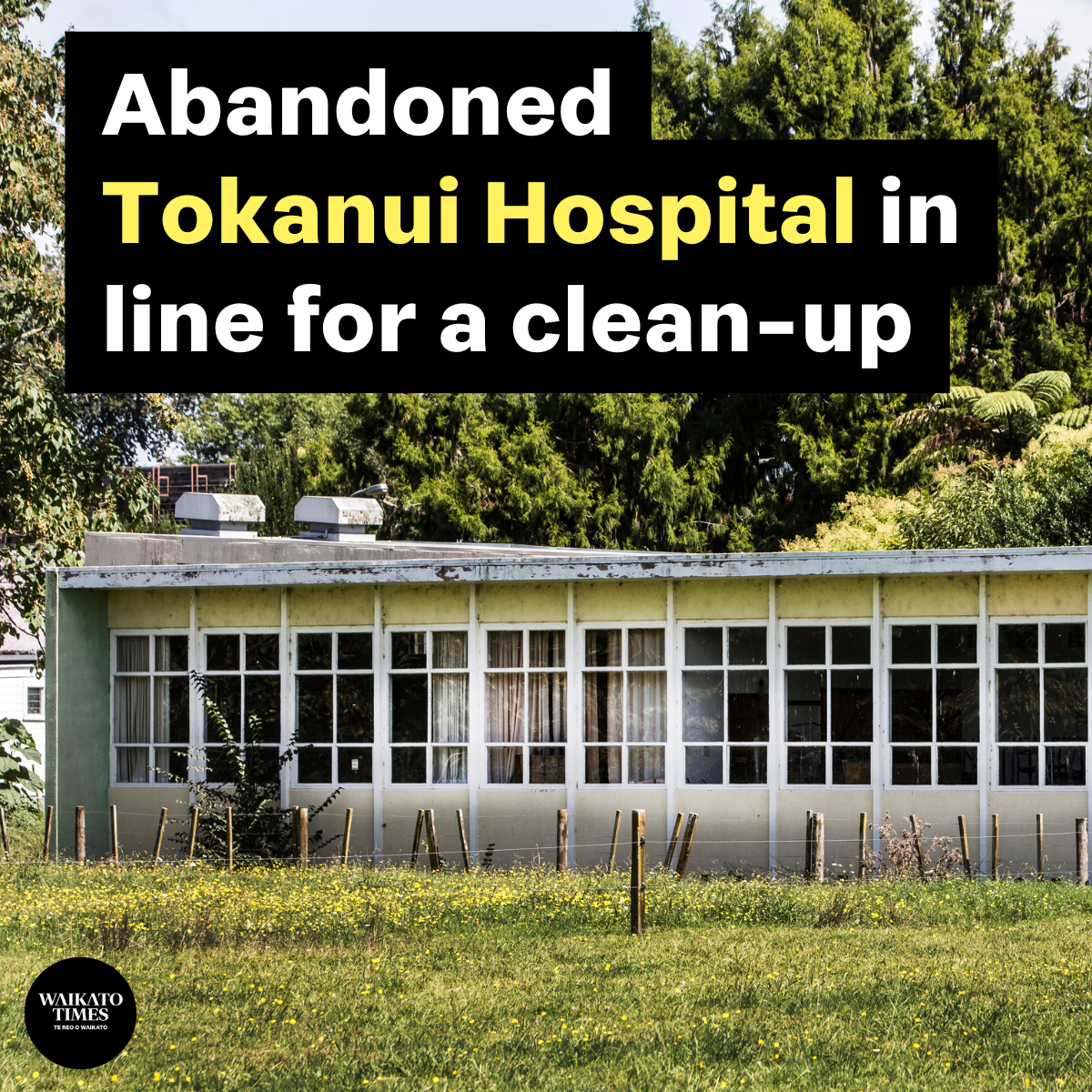
Derelict Tokanui Hospital site in line for a clean-up
Derelict Tokanui Hospital buildings will be demolished and contaminated land cleaned up so the site can be offered back to iwi.
The former psychiatric hospital, southeast of Te Awamutu, sits on land taken from Ngāti Maniapoto under the Public Works Act in 1910.
 Loading…