






The very hungry caterpillars: Hundreds found dumped in Dunedin rubbish bin
From reporter Hamish McNeilly:
In a rubbish bin at a small Dunedin playground was a very big problem.
Inside the bin were hundreds of large monarch caterpillars. A few were able to crawl out before they were spotted.
Nat Russell said she was called to the Hocken St playground, in the suburb of Kenmure, after her sister’s children spotted the escapees.
The monarch enthusiast helped collect some of the caterpillars and then put a plea on social media to rehome them to anyone who had swan plants – a type of milkweed – where the butterflies like to lay their eggs.
She estimated there were “a good few hundred caterpillars” inside the bin.
People came from all over Dunedin to rehome the caterpillars.
“A few died, but almost all were rescued,” Russell said.
The caterpillars were large and entering their final moult, where they find a sheltered site, produce a tightly woven silk mat, and hang downwards until they become butterflies.
“The majority of them were only a few days off becoming monarchs.”
It appeared the caterpillars were dumped along with a container of food scraps, which was tied up in a jersey.
Jacqui Knight, who founded the Moths and Butterflies of New Zealand Trust almost two decades ago, said it was the first case of mass monarch caterpillar dumping she had heard of in New Zealand.
“I presume they had run out of food and [whoever had them] didn’t know what to do with them.”
While it was “wonderful” they were rescued, it was a shame they were dumped in the first place, she said.
A shortage of swan plants was often an issue for those with very hungry caterpillars, which could eat 2700 times their birth weight in just over a fortnight.
To counter that problem, Knight recommended people with an excess of either caterpillars or swan plants join the Monarchmatchmaker group on Facebook to “share the love”.
“It is a bit like Tinder, but for butterflies.”
Part of the issue was that some nurseries had stopped selling swan plants because some had been sprayed with pesticides.
Instead, people wanting to attract monarchs were encouraged to grow swan plants earlier in the season and let them get to full size in their garden.
Having monarchs, considered a native in New Zealand, helped show children the various stages of an insect’s life cycle and “feeds their curiosity”, Knight said.

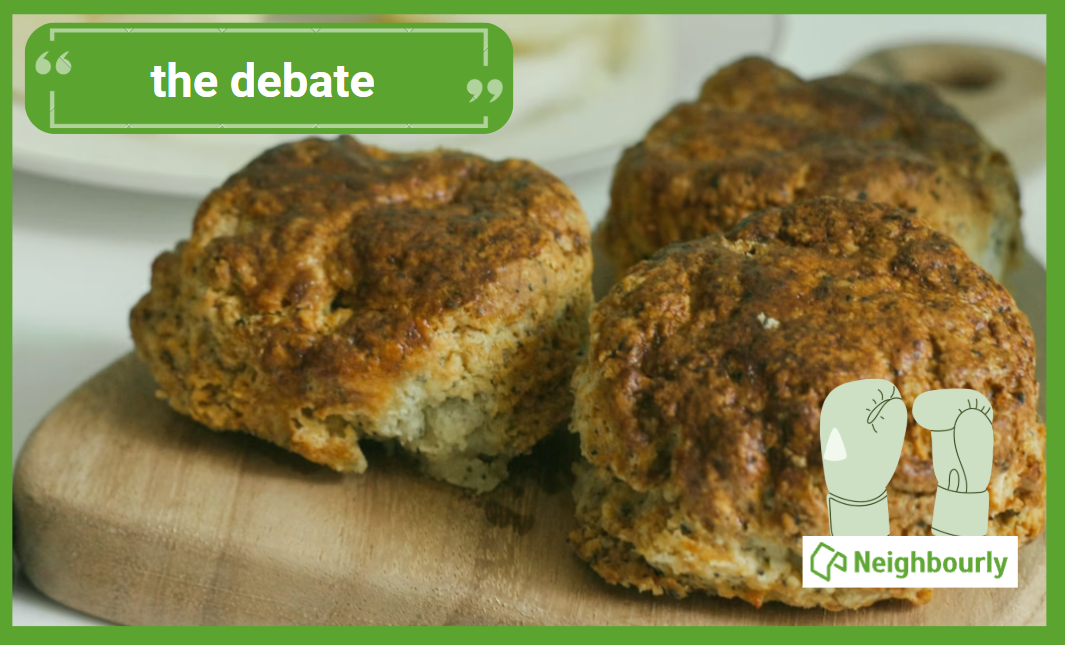
Poll: Does a savoury scone require cheese on top, or folded inside?
Help settle the great kiwi debate ... cheese on top, or folded inside?
-
76.7% Inside!
-
23.3% On top!
Got more greens than you know what to do with? 🥦🌱🥕
Whether it’s a courgette takeover or a feijoa frenzy, don’t let those garden gems go to waste!
Our suggestion to you: Did you know you can grate and freeze excess courgettes to use in chocolate cake later? It sounds a bit dodgy, but it makes the cake incredibly moist ... and hey, it counts as a serving of veg, right? 🍫
What’s your go-to move for a bumper harvest? Drop your best "glut" recipes or preservation hacks in the comments below! 👇


Get decorating with the Resene Sale !
20% off Resene premium paints, wood stains, primers & sealers and 20% off wallpaper and 20% off decorating accessories.
See your Resene Colorshop and bring out the best in your home.

 Loading…