





Improving the law for dividing property when relationships end - Have your say
Links have been added for: This page, review page, public consultation page, Christchurch event page
When should the law treat two people as a couple? What property should they share if they break up and what property should only belong to one of them?
New Zealand has changed a lot in the last forty years, including how relationships and families are formed, how they function and what happens when relationships end.
The Law Commission is reviewing the 40-year-old Property (Relationships) Act 1976, which sets the rules for how to divide a couple’s property at the end of a relationship, and they want to hear your views.
The Law Commission has developed a paper, Dividing Relationship Property: Time for Change? - Te mātaatoha rawa tokorau – Kua eke te wā? This paper asks New Zealanders how the law could be better. You can view the Issues Paper and summary document, and access online consultation platform, from 16 October on this website.
A series of public meetings is being held around the country. Members of the Law Commission will be available to answer your questions and hear your feedback on the Issues Paper.
Some of the questions the Commission is asking are:
Does the law apply to the right relationships?
Is the right property being shared?
What should happen when trusts are used to hold property?
What should happen if one person is financially worse-off after their relationship ends?
Is tikanga Māori recognised?
How should the law meet the interests of children?
How can the law be inexpensive, simple and speedy while still being just?
Should the same law that applies when a couple separates also apply when one partner dies?

Poll: Are you starting to feel a lift in business confidence across the Canterbury region?
The Press reports that Canterbury is right in the middle of a construction boom, with activity forecast to peak around 2027 and major investment flowing into transport, water and energy infrastructure.
We want to know: Are you starting to feel a lift in business confidence across the Canterbury region?
-
39.7% Yes
-
60.3% No
Poll: Is it ok to regift something that you have been given?
🎁 Holiday Gift Chat!
Do you ever regift?
What’s your take on asking for a receipt if a gift doesn’t fit?
-
79.6% Yes! It's better to regift what I don't need
-
20.4% No. It's the thought and effort that matters
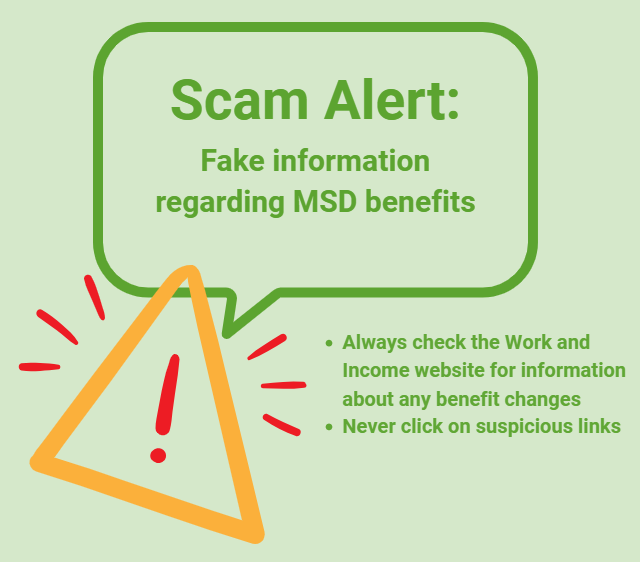
Scam Alert: Fake information regarding December Bonuses from MSD
The Ministry of Social Development is reporting that fake information is circulating about new ‘December bonuses’ or ‘benefit increases’
If you get suspicious communication, please contact Netsafe.
 Loading…